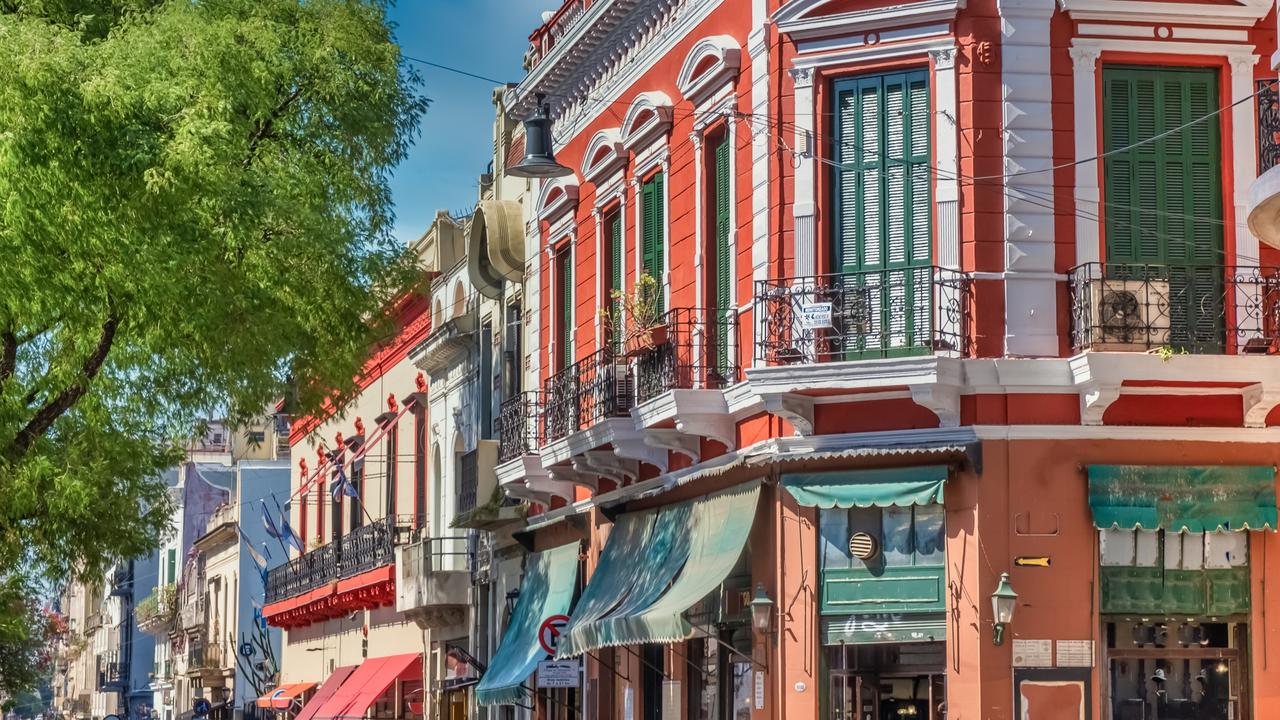
Buenos Aires is one of those cities that feels familiar almost immediately, even if you have never been there before. Wide European-style boulevards, old cafés that have not changed in decades, and neighborhoods that feel more like small towns than districts of a massive capital.
For digital nomads, it offers a combination that is becoming harder to find. A large, interesting city with real culture, great food, late nights, and relatively affordable living if you understand how Argentina’s currency situation works.
The city moves at its own pace. Dinner starts late, nights stretch into early mornings, and people take their time with things. If you arrive expecting efficiency and order, Buenos Aires may frustrate you. If you arrive willing to adapt, it becomes one of the most rewarding places to spend a few months.
Personally, Buenos Aires sits very high on my list of places in the world. It is my second favorite city globally, just behind Bangkok, and easily my favorite city anywhere in the Americas. I spent months there and loved the nomad community, but what made the city special was the locals I met along the way. A few friendships quickly turned into invitations to dinners, football matches, and late nights that went far beyond the usual expat circuit. Those local connections showed me parts of the city I probably would have never discovered otherwise.
Make sure to also check out or other CITY guides here:
Lifestyle
Daily life in Buenos Aires is comfortable once you settle into the rhythm of the city. Mornings often start slowly with coffee and medialunas in a neighborhood café before the workday begins. Many nomads split their work between apartments, cafés, and coworking spaces.
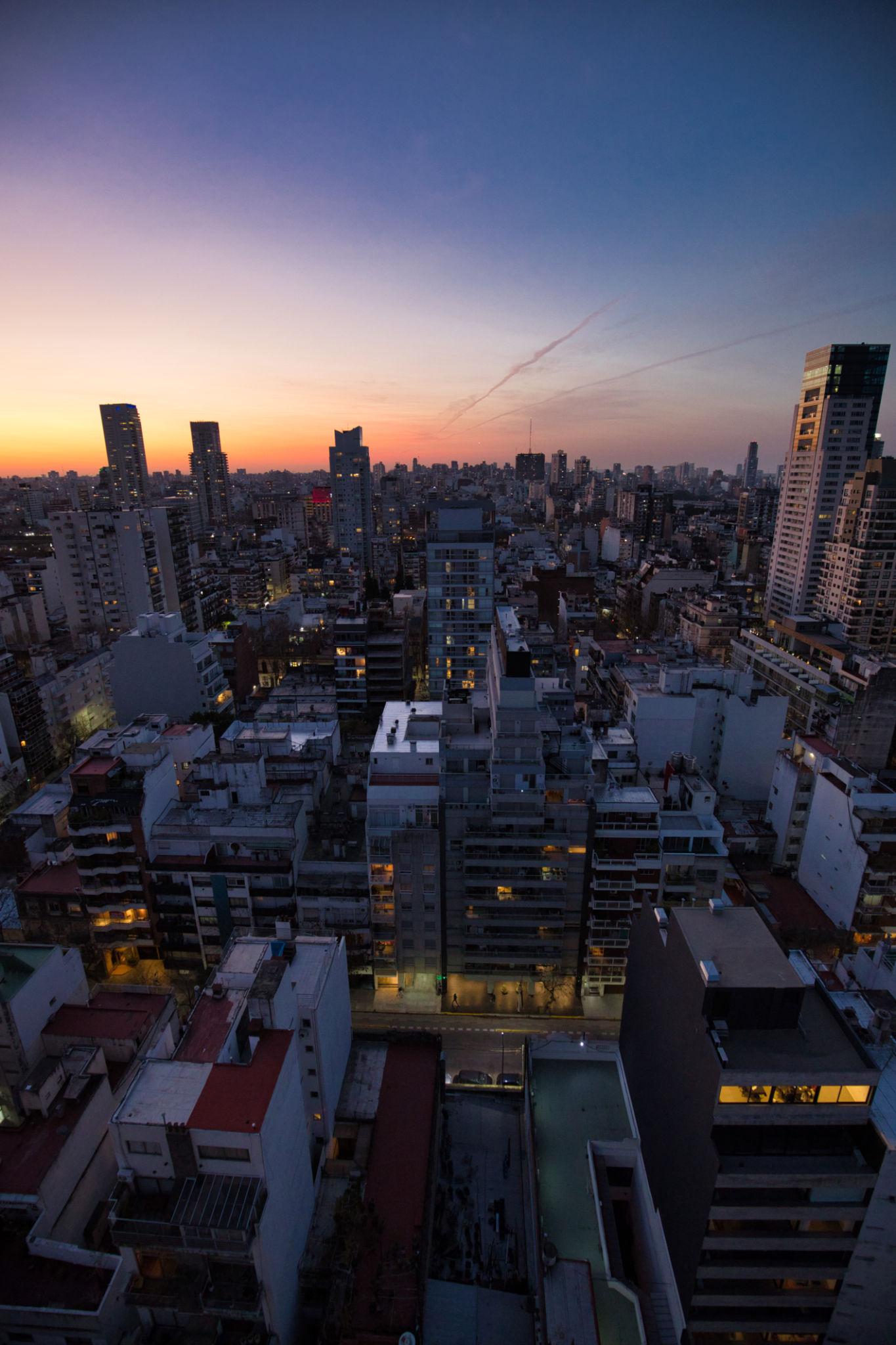
The neighborhoods most nomads gravitate toward are Palermo, Recoleta, and sometimes Belgrano. Palermo in particular has become the center of the city’s nomad and expat scene. It is full of cafés, restaurants, parks, and apartments geared toward short term stays.
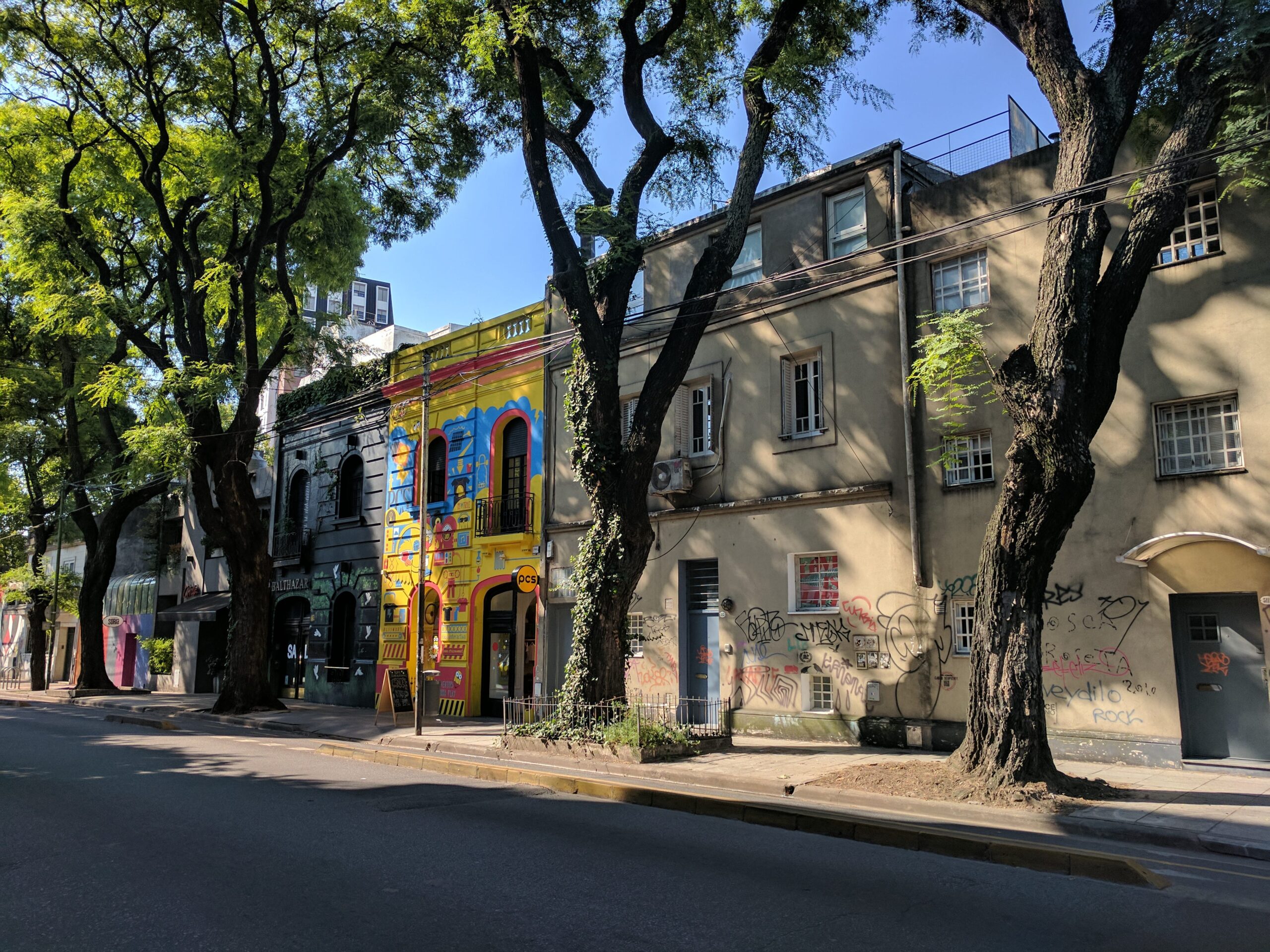
Buenos Aires is extremely walkable in many areas. Tree-lined streets, plazas every few blocks, and plenty of cafés make it easy to spend entire days working and wandering without needing transportation.
One of the biggest draws is the cost of living relative to the quality of life. Argentina’s economic instability has created a strange reality where a global city with world-class food and culture can still be relatively affordable for foreigners earning in stronger currencies.
At the same time, things do not always run smoothly. Payment systems can be confusing, inflation moves fast, and prices can change constantly. Once you understand the basics of how money works in Argentina, the city becomes much easier to navigate. Check out our Money in Argentina Guide for a deep dive on the topic.
Entertainment & Nightlife
Buenos Aires has one of the most famous nightlife scenes in the Americas. The city runs late, and it is not unusual for a night out to start after midnight and end when the sun comes up.
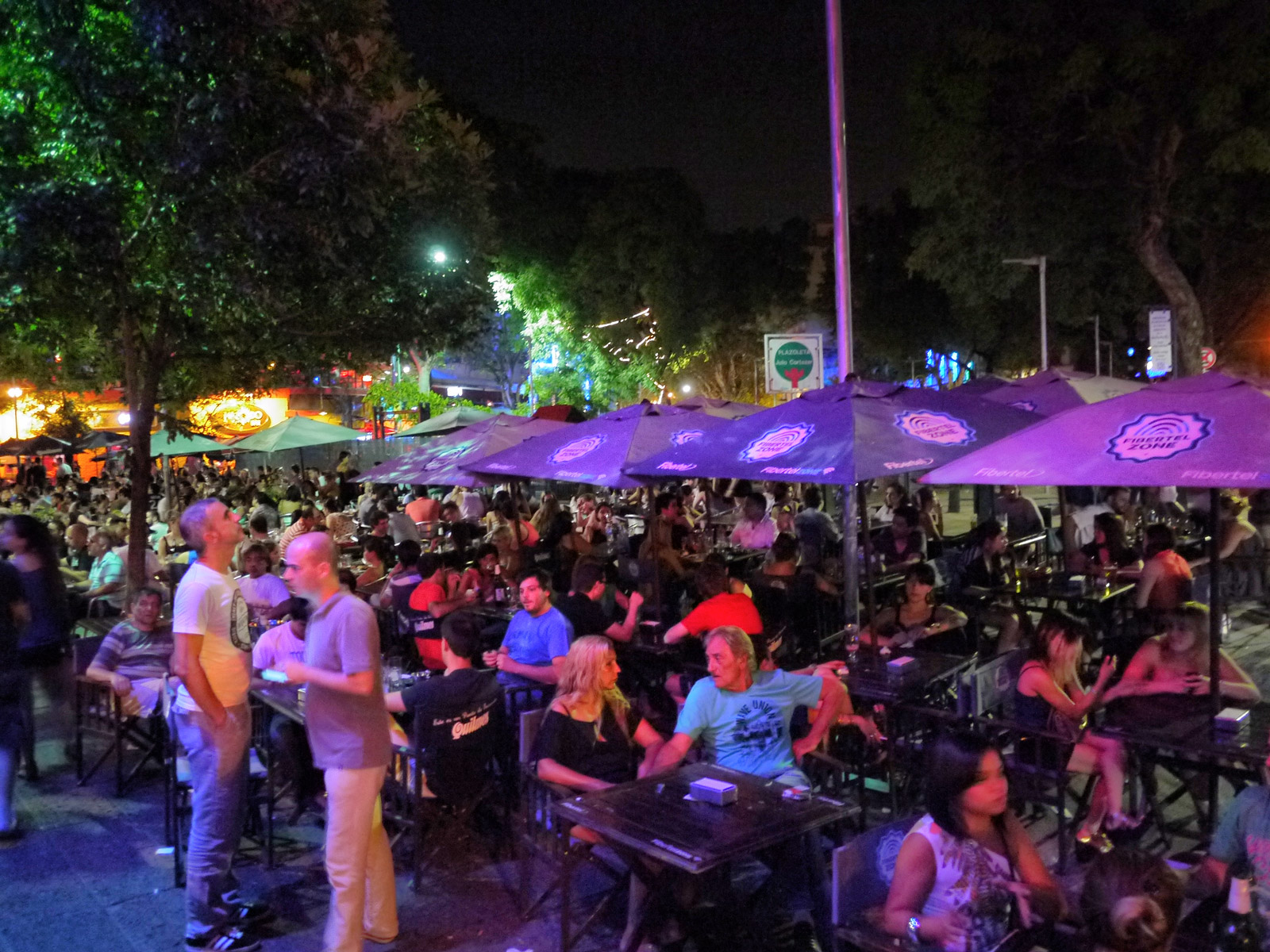
Palermo is the epicenter of most nightlife activity. The neighborhood is packed with cocktail bars, clubs, and venues that stay open until sunrise. One of the focal points is Plaza Serrano, a square surrounded by bars and restaurants that become extremely lively at night. It is a popular meeting point for expats, travelers, and nomads, with crowds often spilling into the streets as people move between venues.
Some of my personal favorite clubs in the city include:
Crobar
Crobar is one of the stronger electronic music venues in Buenos Aires. The club has two rooms and regularly brings in internationally known DJs alongside local talent. The production quality is noticeably higher than many clubs in the city, with a proper sound system and a crowd that is actually there for the music. If you follow electronic music at all, chances are you will eventually recognize a name on their lineup.
The Bow
The Bow has a more polished, stylish feel than many clubs nearby. It is known for electronic music nights and tends to attract a crowd that mixes locals with international visitors. The venue itself is sleek, with a solid sound system and DJs that keep the dance floor busy deep into the night.
Blow
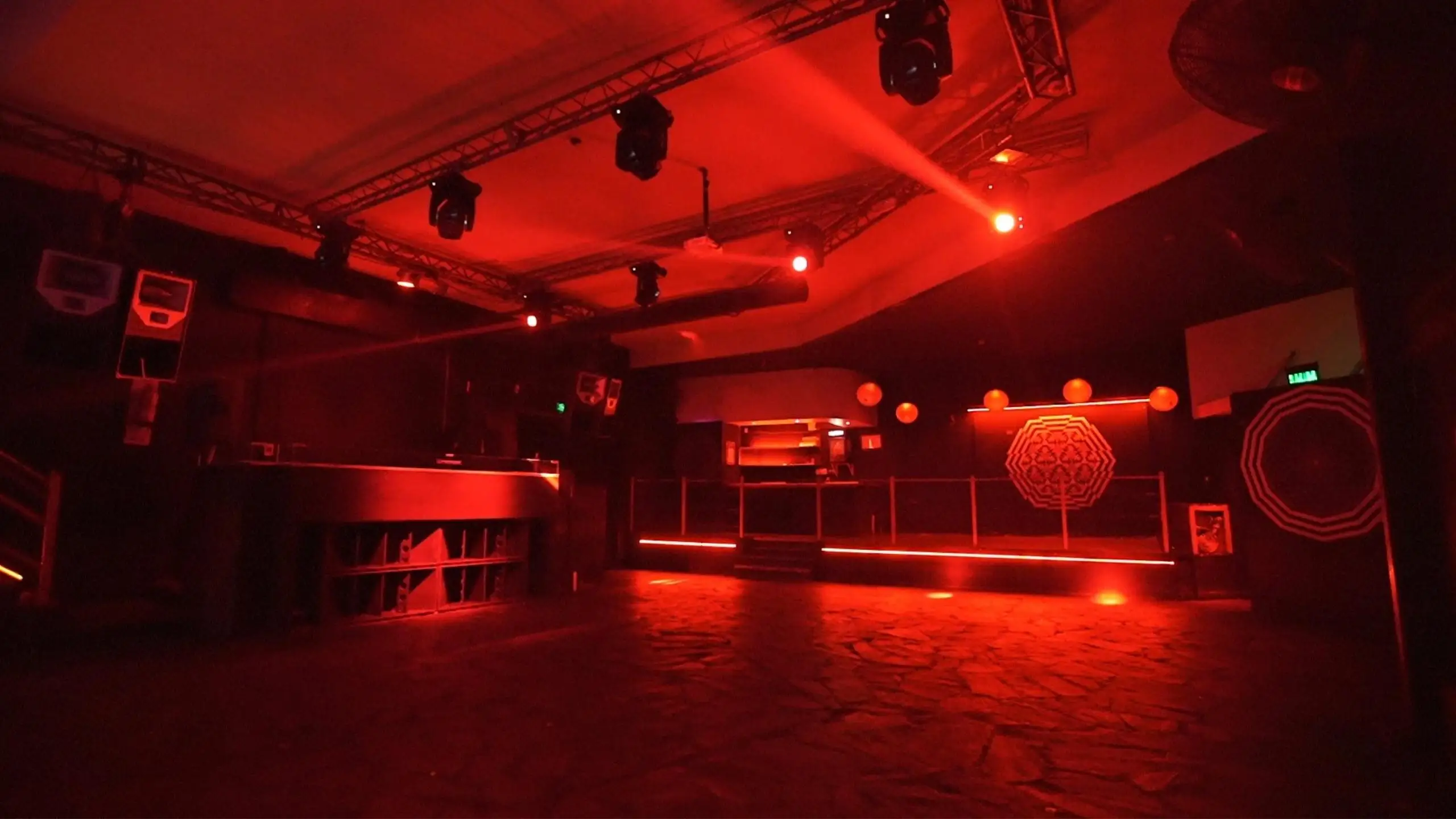
Blow is an underground techno club with a darker, more intimate atmosphere. The space has a low ceiling, minimal lighting, and a heavy sound system that makes the room feel intense once the music gets going. It is also known for being LGBT-friendly and welcoming to a diverse crowd. If you prefer gritty techno venues over polished cocktail bars, Blow is one of the better spots in the city.
Nomad Community
Over the last few years, Buenos Aires has quietly become one of the stronger digital nomad hubs in Latin America.
The combination of affordable living, good infrastructure, and a large city environment attracts remote workers from Europe, North America, and increasingly other parts of Latin America.
Coworking spaces are easy to find, particularly in Palermo. Many cafés are also laptop friendly, especially during the daytime.
Meetups, language exchanges, and networking events happen regularly, making it relatively easy to meet people if you are new to the city. The nomad community is active but still small enough that you tend to run into familiar faces.
For me, this was one of the highlights of living in Buenos Aires. I met a strong mix of nomads and locals, and those friendships quickly expanded beyond coworking sessions and coffee meetups. It was common for someone to suggest a random late night restaurant, a football match, or a weekend adventure somewhere outside the city.
That social energy is part of what makes Buenos Aires feel alive.
Beaches & Day Trips
Buenos Aires itself is not a beach destination. The city sits along the Río de la Plata, which looks like an ocean but is actually a massive river with muddy water that is not exactly appealing for swimming.
That said, there are several excellent day trips and weekend escapes.
Tigre
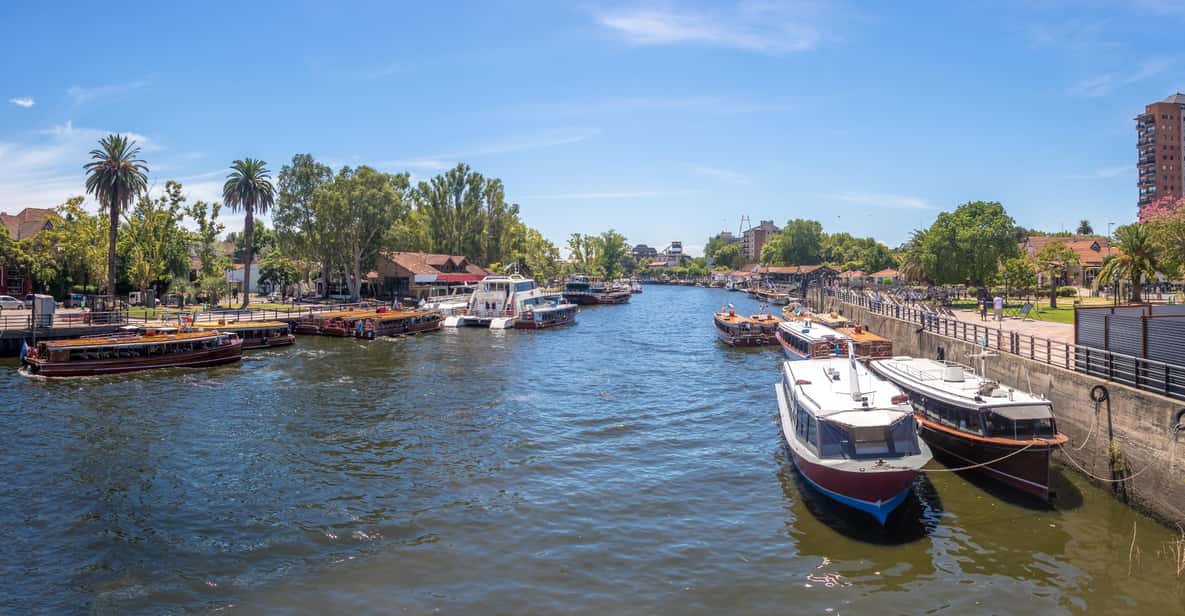
Located about an hour north of Buenos Aires, Tigre sits in a sprawling river delta filled with canals, islands, and houses built along the water. Boats replace streets in many areas, and locals move around by water taxis or small motorboats. The town itself has markets, restaurants, and waterfront cafés, but the real experience comes from exploring the delta. Renting a small boat or joining a river tour reveals a completely different lifestyle from the chaos of the capital.
Colonia del Sacramento (Uruguay)
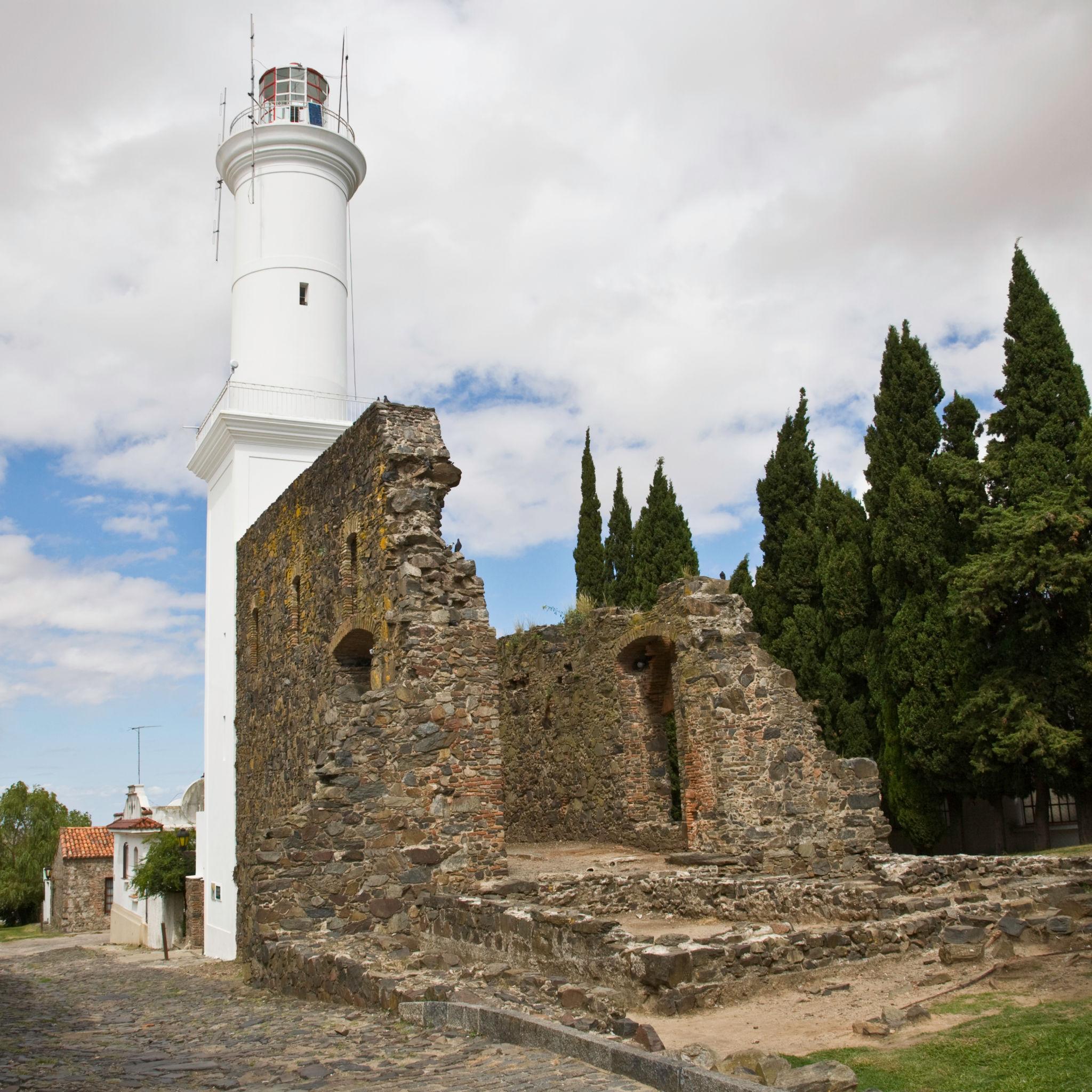
One of the easiest international trips you can take from Buenos Aires is the ferry ride across the Río de la Plata to Colonia del Sacramento. The crossing takes roughly an hour and brings you to a quiet colonial town with cobblestone streets, old stone buildings, and a relaxed atmosphere that feels worlds away from Buenos Aires. It is a perfect day trip if you want a slower pace and a bit of history.
Mar del Plata
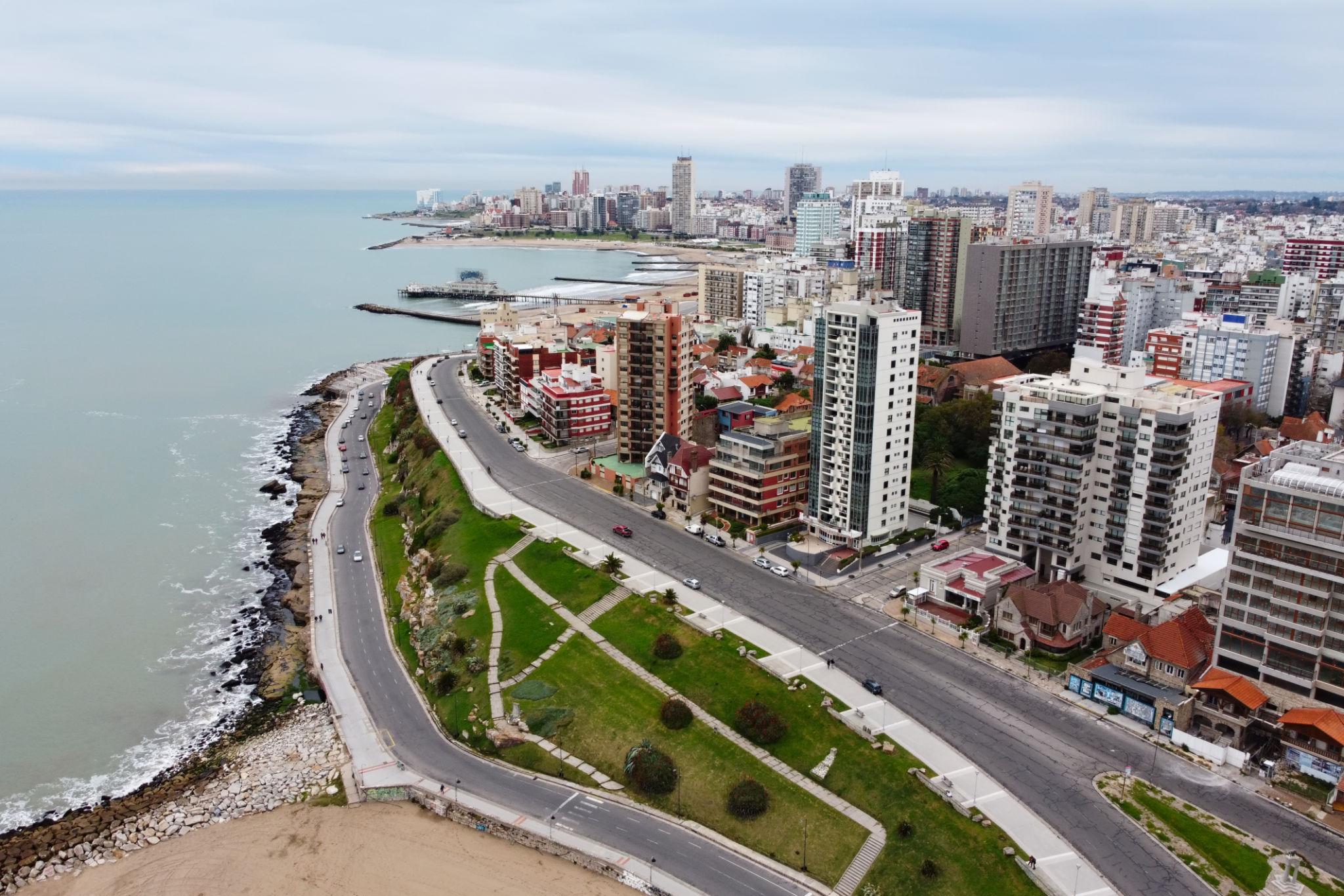
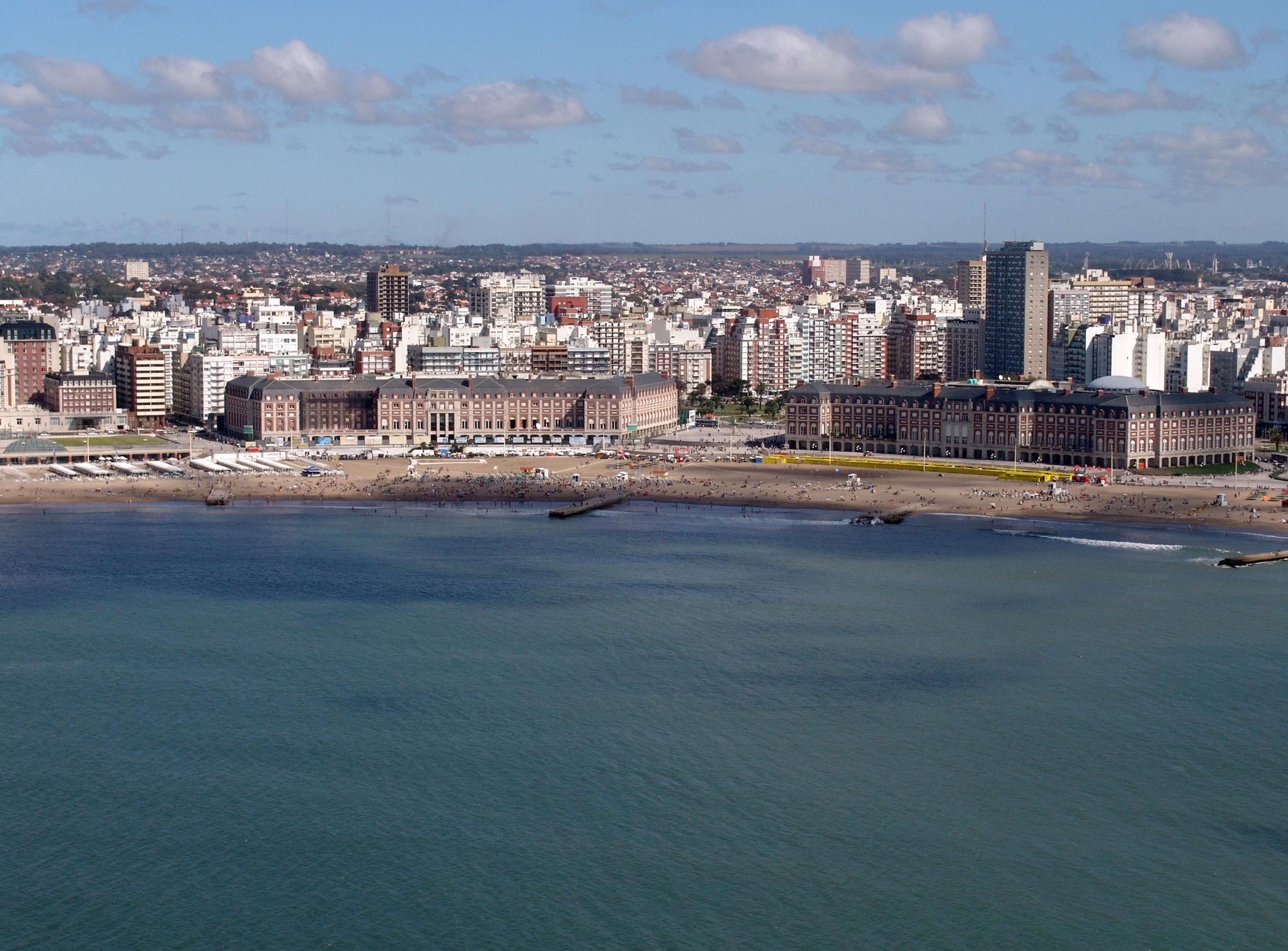
If you want an actual beach, Mar del Plata is the closest major coastal destination. It sits about 400 km from Buenos Aires, and the drive takes roughly 4 to 5 hours depending on traffic. The city is Argentina’s most famous beach resort and fills with locals during the summer months. Expect long sandy beaches, seaside promenades, and a lively atmosphere during peak season.
Palermo Bosques
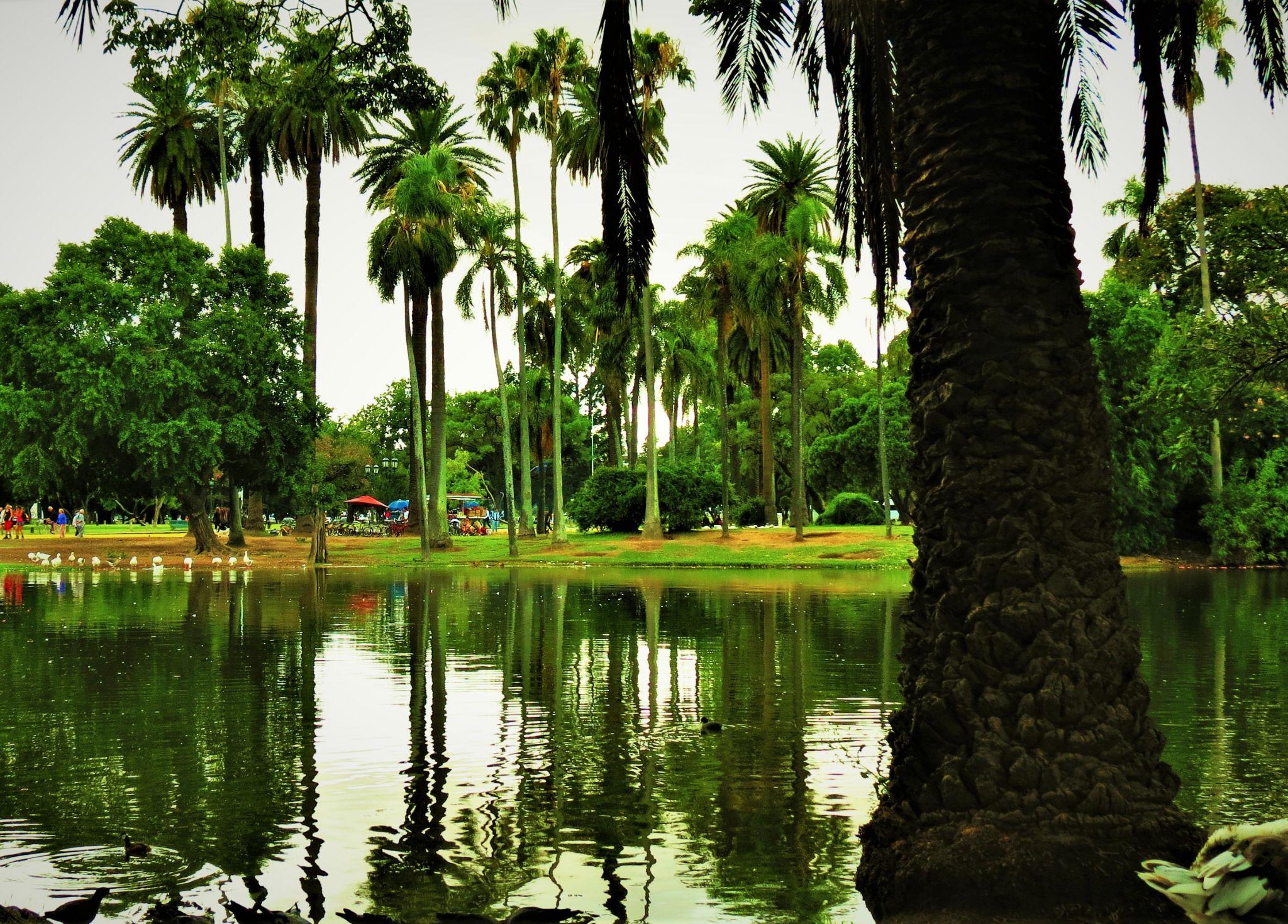
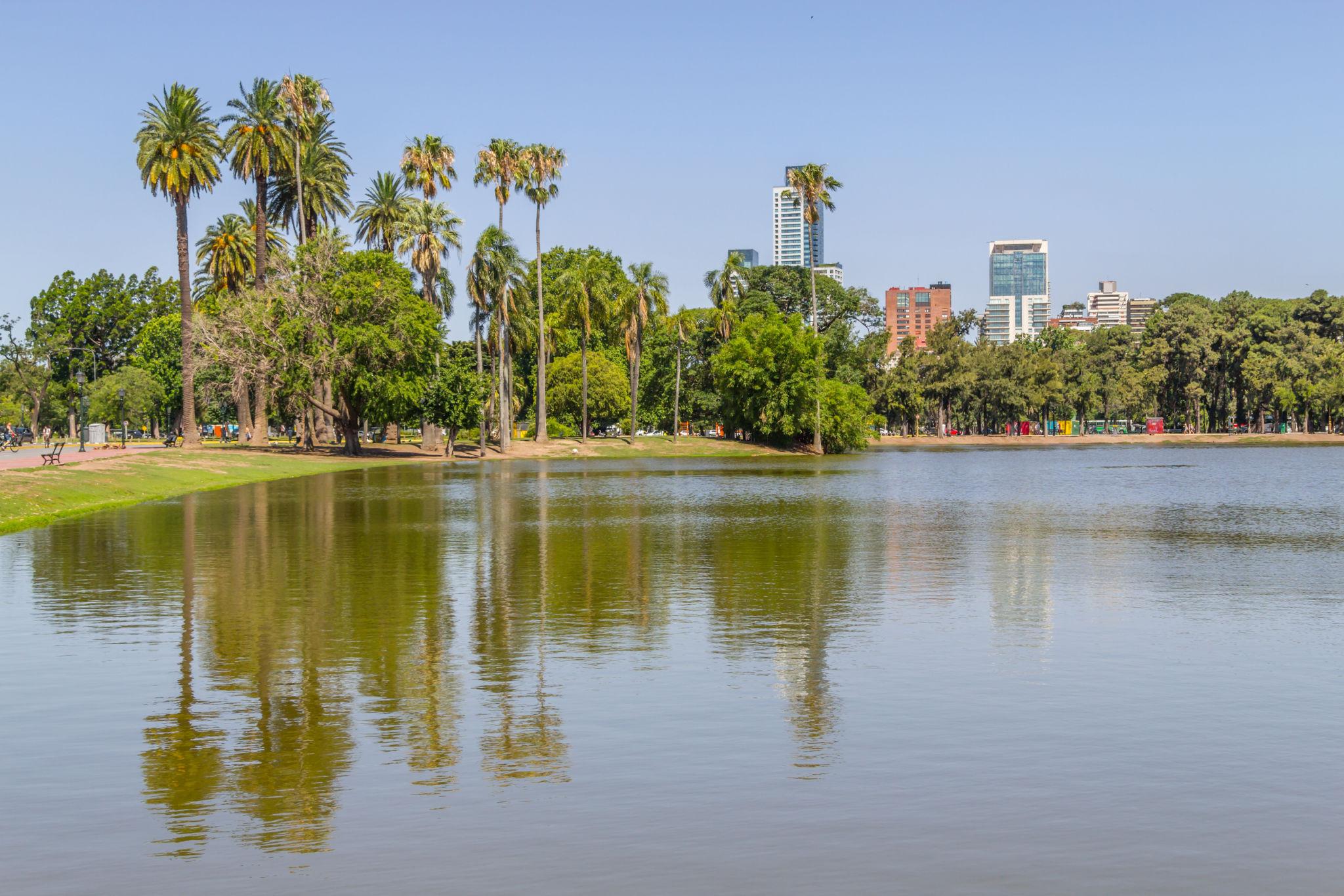
For a quick escape without leaving the city, the parks in Palermo are hard to beat. The Bosques de Palermo area includes lakes, walking paths, gardens, and wide green spaces where locals spend weekends relaxing. The rose garden and surrounding park areas are particularly popular during warm afternoons.
Sights to see
Buenos Aires is packed with landmarks, historic neighborhoods, and cultural spots worth exploring. The city rewards curiosity, and some of the most interesting discoveries happen while wandering between neighborhoods.
Obelisco and Avenida 9 de Julio
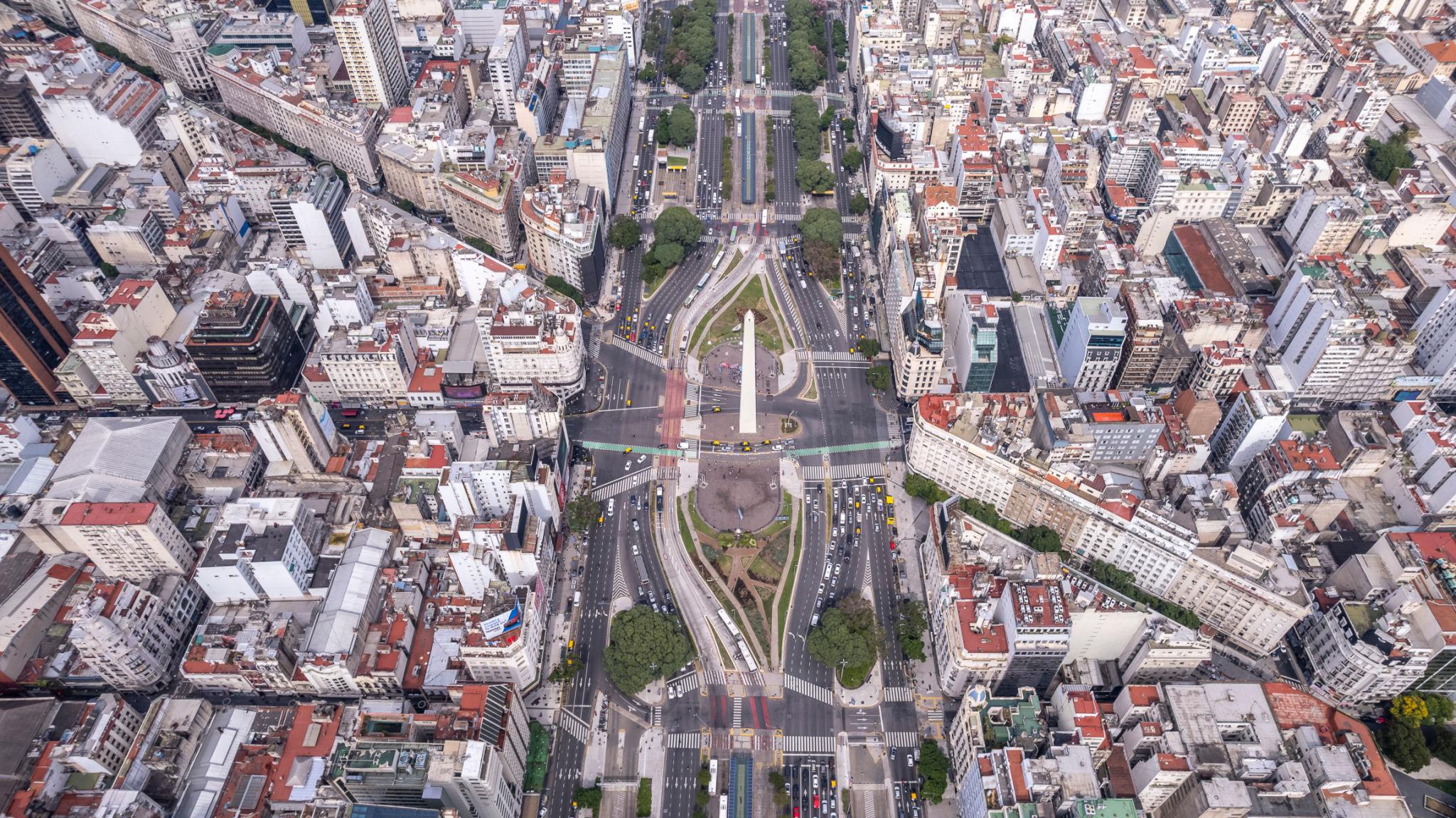
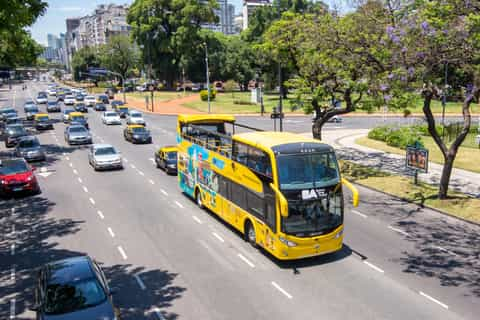
The Obelisco sits in the middle of Avenida 9 de Julio, one of the widest avenues in the world. The monument has become the symbolic center of Buenos Aires and is often the gathering point for celebrations, protests, and football victories. Standing there gives you a sense of the scale of the city. Massive boulevards stretch in multiple directions, surrounded by theaters, historic buildings, and constant movement.
Recoleta Cemetery
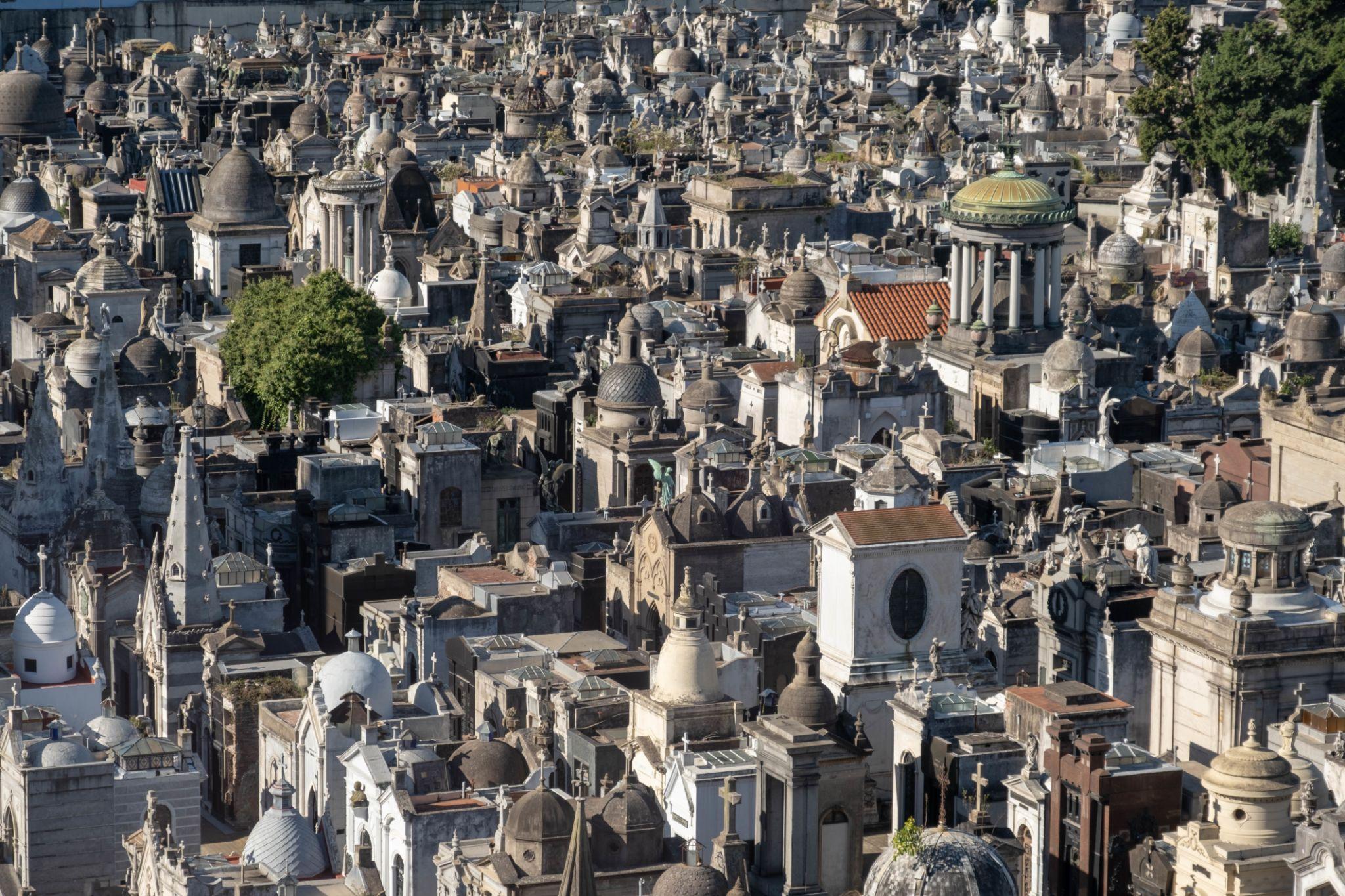
Recoleta Cemetery is less a graveyard and more an open air museum. Narrow pathways run between elaborate mausoleums built by wealthy families over generations. Many of the structures resemble miniature palaces or chapels, complete with statues and ornate carvings. The cemetery is also famous as the resting place of Eva Perón, one of Argentina’s most influential historical figures.
San Telmo
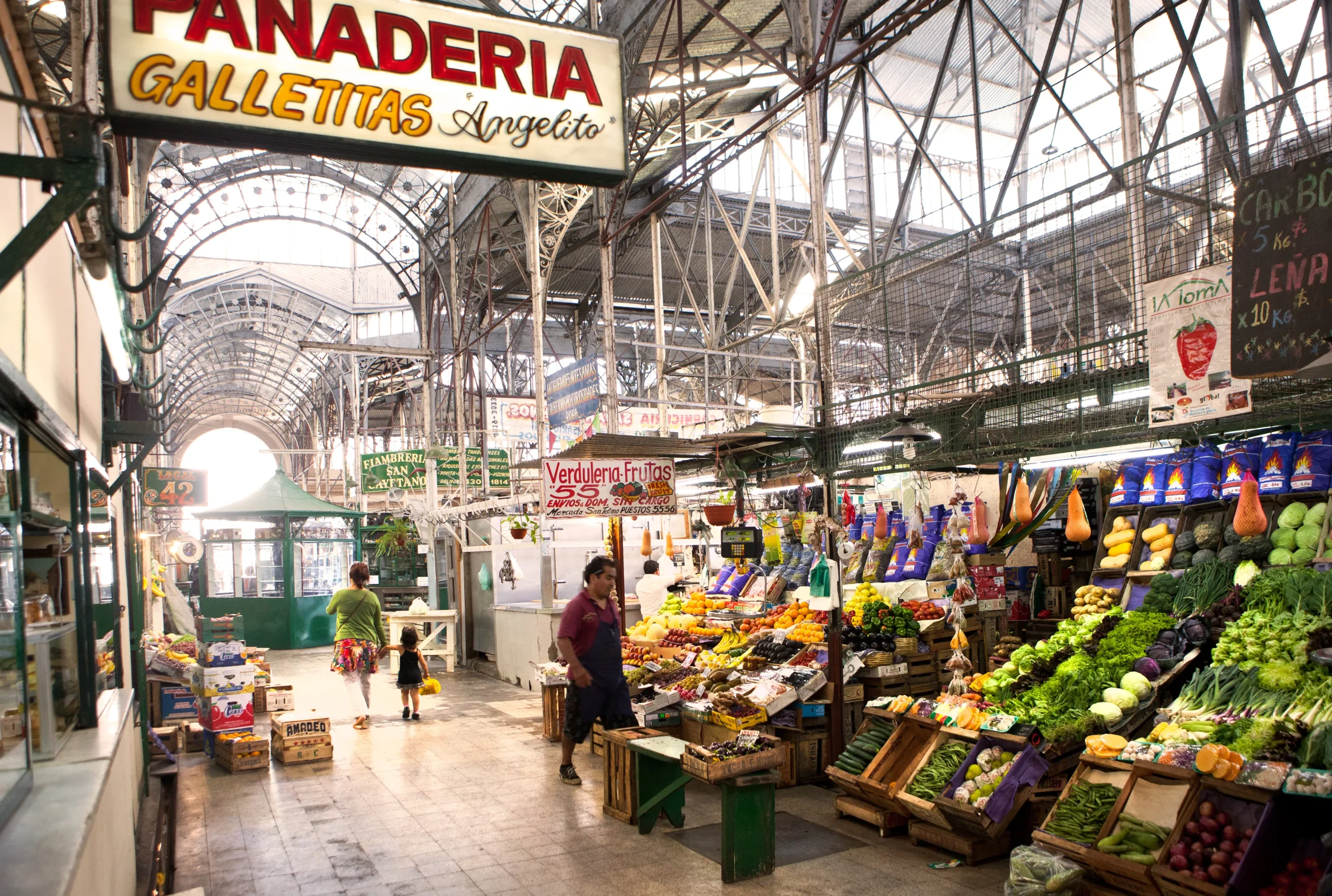
San Telmo is one of the oldest neighborhoods in Buenos Aires and still feels connected to the city’s past. Cobblestone streets, antique shops, and historic cafés give the area a different atmosphere from the more modern parts of the city. On Sundays the San Telmo market takes over the streets, filling the neighborhood with vendors, street performers, and tango dancers.
La Bombonera
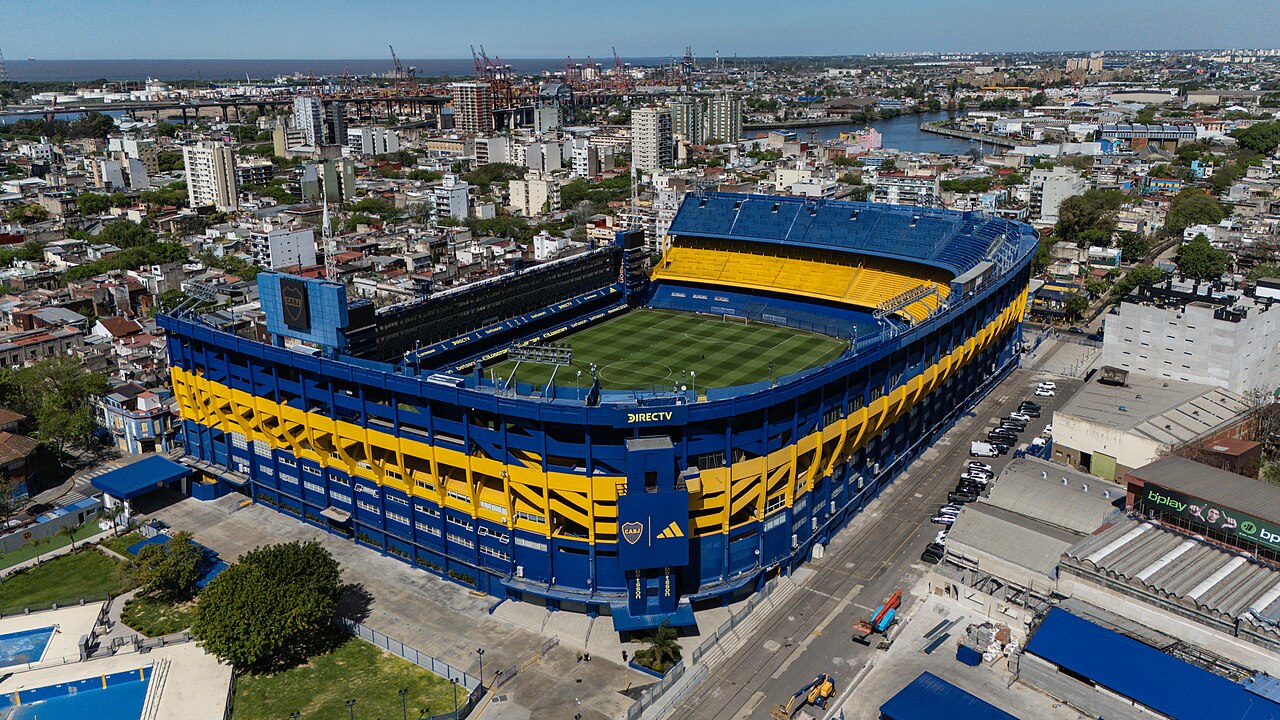
Few places in football feel as intense as La Bombonera, the home stadium of Boca Juniors. Located in the colorful La Boca neighborhood, the stadium is famous for its steep stands and electric atmosphere. When Boca plays at home, the entire stadium seems to shake as fans sing and jump in unison. Even if you are not a football fan, visiting the stadium or taking a tour gives you a glimpse into how deeply the sport is woven into Argentine culture.
Transport
Getting around Buenos Aires is relatively straightforward.
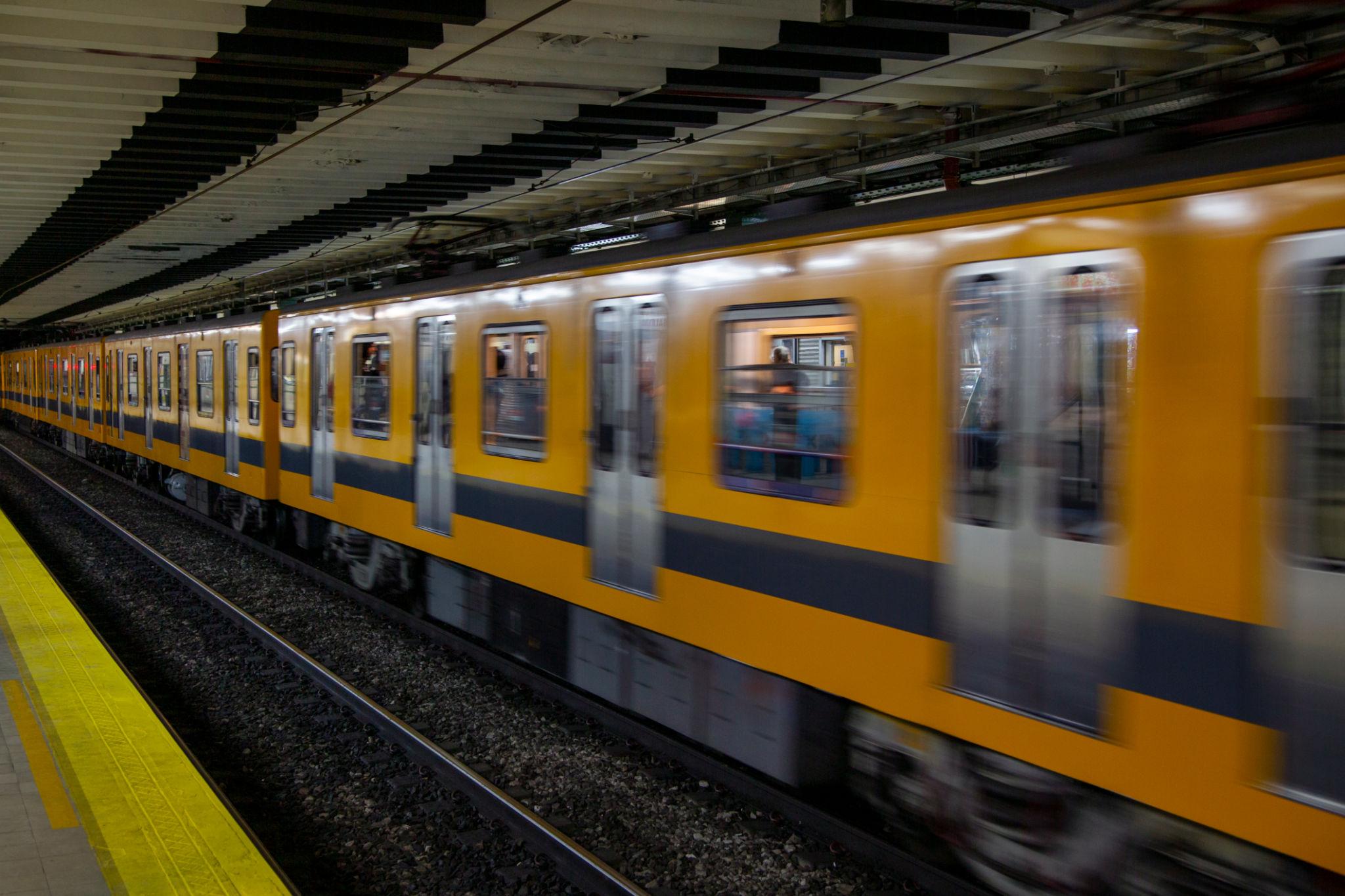
The Subte, Buenos Aires’ subway system, covers much of the central city and is one of the fastest ways to move between neighborhoods.
The bus network is extensive and runs almost everywhere. At first the routes can look confusing, but apps make navigation easy.
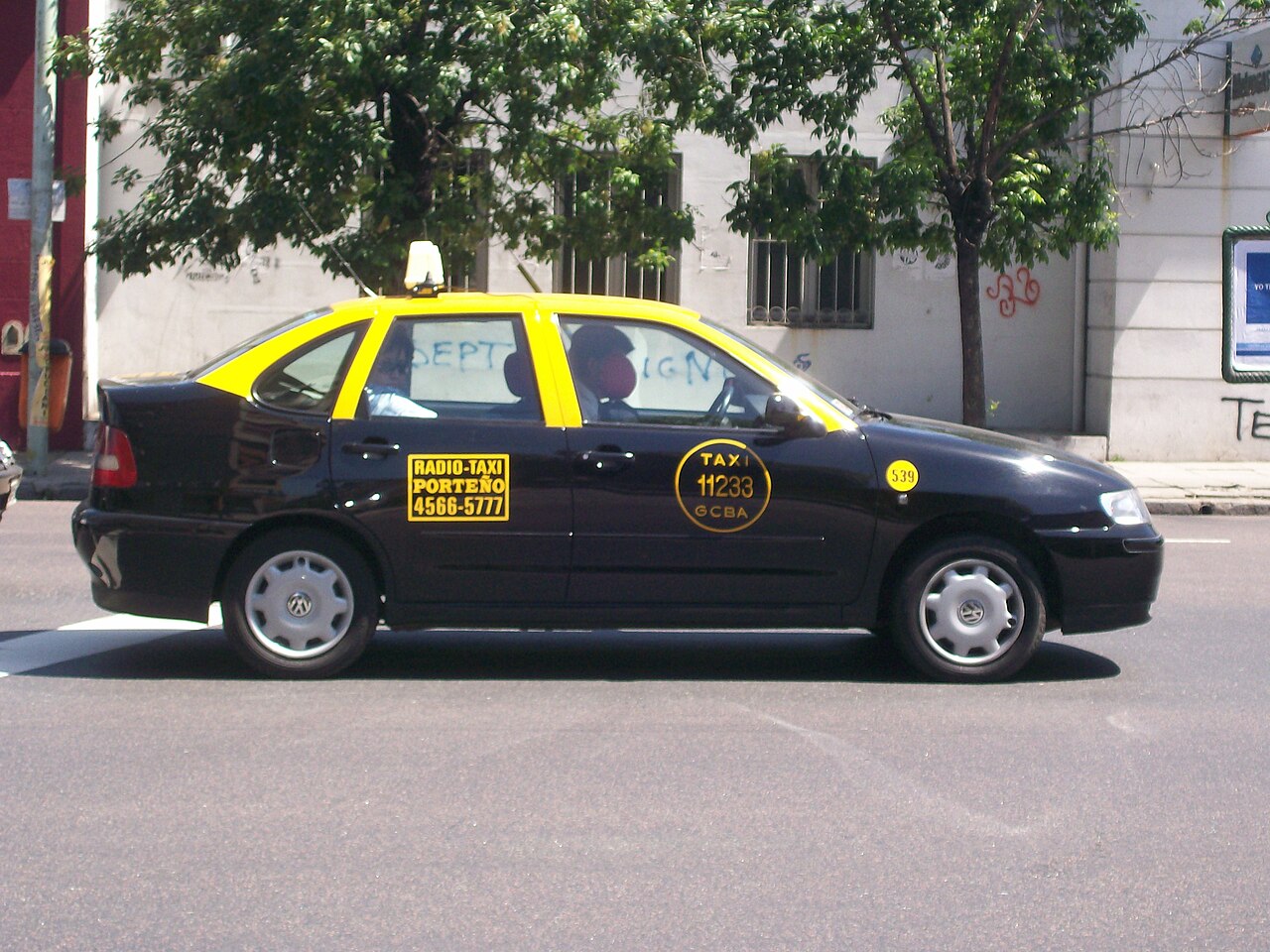
Ride apps like Uber and Cabify are widely used and relatively inexpensive. In many areas you will also find traditional taxis readily available.
In neighborhoods like Palermo and Recoleta, walking is often the best way to get around. Much of daily life happens within a few blocks.
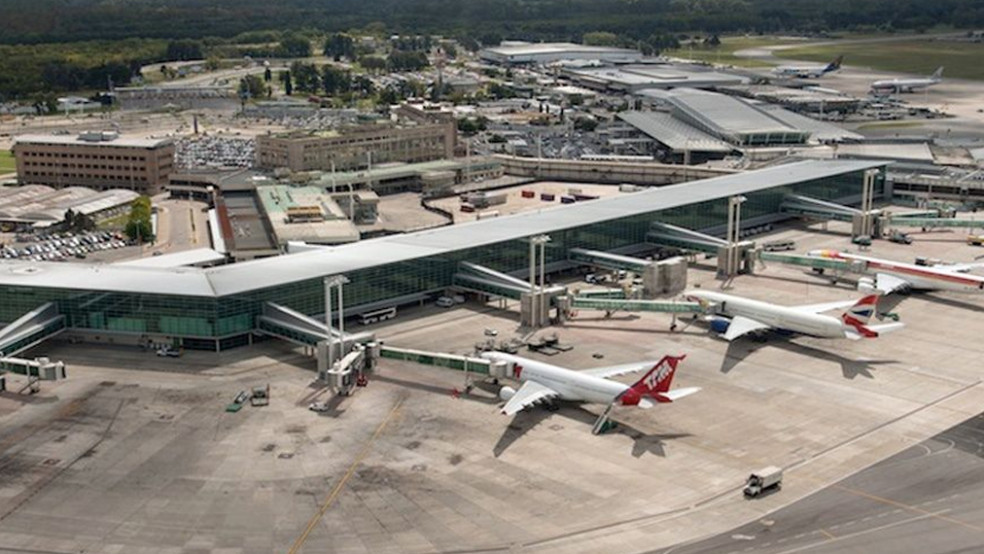
The city is well served by 2 international airports: Ezeiza International Airport and, the largest and your likely point of arrival into Argentina, located South-West of the city, and Aeroparque Internacional Jorge Newbery located close to downtown along the coast, and more commonly used for national flights within Argentina, or regional international flights to Chile, Brazil or Uruguay.
Safety
Buenos Aires is generally considered one of the safer large cities in Latin America, but basic awareness is still important.
Petty crime such as phone snatching or pickpocketing can happen, particularly in crowded areas or on public transport.
Most nomads stick to neighborhoods like Palermo, Recoleta, and Belgrano where streets are busy and relatively safe even late at night.
Common sense goes a long way. Stay aware of your surroundings, avoid flashing expensive electronics, and be cautious in unfamiliar areas after dark.
Final Thoughts
Buenos Aires is not the easiest city to understand at first. The economy can feel chaotic, systems do not always work the way you expect, and daily life sometimes requires patience.
But once you settle in, the city reveals why so many people fall in love with it.
Few places combine culture, nightlife, architecture, food, and affordability in quite the same way. Buenos Aires feels alive in a way that many modern cities no longer do.
For digital nomads looking for a big city with character, energy, and endless things to explore, Buenos Aires remains one of the most compelling places in the world to spend a few months.