Lima doesn’t seduce you.
It doesn’t glow gold at sunset like Cartagena. It doesn’t lean into chaos like Montañita. It sits under a soft gray Pacific sky, humming along like a capital city that has things to do.
I spent nine months here.
That’s not a layover. That’s grocery shopping, dentist visits, late-night Uber rides, and figuring out which districts actually feel livable.
At the time of writing (2026), the cost of living in Lima remains one of the most stable in Latin America. It’s not the cheapest city in Peru. But it might be the most sustainable long term.
In this guide, we’ll break down costs for the following main categories:
Lodging | Food | Services | Transportation | Entertainment | Totals
Lodging
Rent is your anchor expense.
Unlike Cartagena or Playa del Carmen, Lima isn’t overly inflated by short-term rentals. You can find long-term leases more easily, and prices feel grounded.
The neighborhoods most relevant to digital nomads are:
- Miraflores – Safe, coastal, clean, expat-friendly
- San Isidro – Upscale, quieter, business district
- Barranco – Artsy, nightlife, younger energy
- Magdalena del Mar – Residential, more affordable
Lince – Budget-friendly and central
If you want ocean views and walkability, Miraflores will cost you. A furnished one-bedroom in a modern building near the Malecón usually ranges between $1,500 and $2,500 per month.
Barranco and San Miguel soften the numbers. You’ll typically pay $900 to $1,400 for something modern and comfortable.
If you’re more practical and less aesthetic, Lince or Magdalena can land you in the $500 to $800 range. Not glamorous — but entirely livable.
Low End: $500-$800/month
- Lince or Magdalena del Mar
- More practical and less aesthetic
- Middle-class local neighborhoods
- Not glamorous but entirely livable
- Studio or 1-Bedroom in a low-rise or house
Mid End: $900-$1,400/month
- Barranco or San Isidro
- Large 1 and 2-Bedroom
- Modern, high-rise buildings
- Safe, trendy neighborhoods
- Decent amenities
High End: $1,500-$2,500/month
- Fancy condo or penthouse in Miraflores
- Ocean views by the Malecon
- Fancy furnishings and great amenities
- 24/7 Security
These prices may not seem like the biggest bargain, but consider that all utilities are included (internet, heating, water, electricity) – which really puts things in perspective. Not to mention that you’re in a megacity of nearly 11 million inhabitants, which comes at a premium, no matter the country.
For even more details, check out our “Lodging in Lima” Guide.
Lodging Budget
Low End
$650
Mid End
$1150
High End
$2000
FOOD
Lima is the culinary capital of Peru — arguably of South America.
And the beauty is that it’s accessible.
Cooking at home typically costs between $180 and $300 per month. Local produce is affordable and high quality. Imported goods, however, are noticeably expensive.
Eating out remains one of Lima’s strongest value points:
- Menu del día (set lunch): $4–$7
- Mid-range restaurant: $12–$20
- Upscale Miraflores dining: $25–$50
- Beer: $2–$4
Cocktail: $6–$10
You can eat extremely well here without feeling financially reckless.
For restaurant recommendations, check out our “Food in Lima” guide.
Food Budget
Low End
$350
Mid End
$550
High End
$1000
Services & Health
Internet & Telecom
Internet in Lima is generally solid. Fiber is widely available in central districts, especially Miraflores, San Isidro and Barranco.
Main providers include:
- Claro
- Movistar
Entel
Mobile plans with generous data cost roughly $10 to $17 per month, making hotspot backup easy.
Speeds in newer buildings often hit 100–300 Mbps. In older apartments, 20–50 Mbps is common and workable.
Coworking spaces exist but aren’t overwhelming. Expect to pay between $120 and $250 monthly.
Lima may not feel optimized for nomads, but it functions reliably.
Gym & Healthcare
Gym memberships range from $25 to $40 for local gyms, and $60 to $90 for more polished facilities.
The Miraflores Malecón offers one of the best urban running paths in Latin America — Pacific cliffs, steady wind, and permanent cinematic lighting.
Private healthcare is affordable. A clinic visit typically costs $30 to $50 without insurance. Digital nomad insurance ranges from $40 to $150 per month.
Services & Health Budget
Low End
$70
Mid End
$110
High End
$200
Transportation
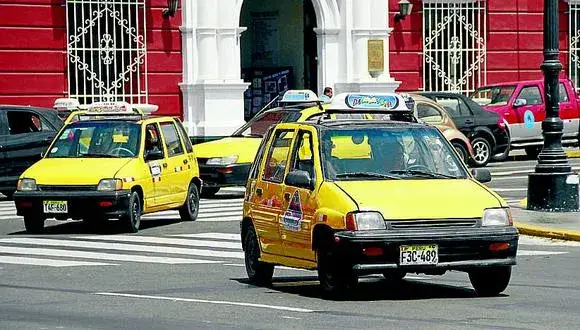
Traffic in Lima is chaotic.
But transportation is cheap.
Ride apps like Uber, Cabify, and Didi are widely used. A short ride typically costs $3 to $6. An airport ride ranges from $12 to $20.
Public options include:
- Metro: about $0.50 per ride
Metropolitano bus system: about $0.70 per ride
They’re functional. They’re crowded. They’re affordable.
Most digital nomads spend between $40 and $120 per month on transportation.
You do not need a car.
The city is also home to a major flight hub – Jorge Chávez International Airport, which provides daily flights to major worldwide destinations such as Paris, Amsterdam, Madrid, Atlanta, Miami and Toronto. It is also the main hub for LATAM, a major South American carrier.
Transportation Budget
Low End
$50
Mid End
$75
High End
$150
Entertainment & Nightlife
Entertainment in Lima won’t drain your bank account — but it also won’t fall into your lap.
At a normal bar, a beer will cost you somewhere between $2 and $4. Club entry tends to hover around $5 to maybe $15 depending on the event. It’s not dirt cheap, but it’s reasonable — especially when you compare it to a city like New York or Los Angeles where stepping outside can feel like a financial decision.
Beyond nightlife, Lima is surprisingly generous. The city is filled with parks, cliffside walkways, and historical landmarks that cost little to nothing. Most museums or historical sites will run you under $10, often closer to five. You can spend an entire afternoon wandering colonial courtyards or oceanfront parks and barely spend anything at all.
The beaches are public. No entry fees. Just the Pacific and whoever else decided to show up that day. Just don’t expect fancy white sand like Cancun – the beaches here are rocky, and the water can get real chilly.
And if you’re even remotely into fútbol, go to a match. Peruvians take it seriously. Tickets usually cost between $7 and $15 depending on where you sit — or stand. The energy is raw, loud, unapologetic. It’s not polished entertainment. It’s community. And for that price, it’s one of the best nights out in the city.
Entertainment & Nightlife Budget
Low End
$150
Mid End
$300
High End
$700
Totals & Full Budget Breakdown
What Impacts Your Lima Digital Nomad Budget the Most?
- Neighborhood choice
- Dining frequency
- Imported goods
- Nightlife & beach clubs
- Lifestyle creep
Lima doesn’t tempt you financially the way Cartagena does.
It’s steady.
Predictable.
Functional.
Is Lima Expensive?
Compared to:
- Medellín → Similar
- Cartagena → Cheaper
- Buenos Aires → Similar, depending on exchange rates in Argentina
- Mexico → Cheaper in most cases
- USA/Canada → Significantly cheaper
Lima offers one of the most stable cost-to-quality ratios in Latin America.
Low End Cost of Living in Lima
$1,450/month
| Category | Monthly Cost |
|---|---|
| Rent | $650 |
| Utilities + Internet | $90 |
| Groceries | $220 |
| Eating Out | $150 |
| Transport | $40 |
| Gym | $35 |
| Insurance | $80 |
| Nightlife | $120 |
| Misc | $100 |
| Total | ~$1,485 |
Functional. Stable. Sustainable.
Mid End Cost of Living in Lima
$2,400/month
| Category | Monthly Cost |
|---|---|
| Rent | $1,100 |
| Utilities | $110 |
| Groceries | $275 |
| Eating Out | $300 |
| Transport | $60 |
| Gym | $60 |
| Insurance | $120 |
| Nightlife | $200 |
| Misc | $200 |
| Total | ~$2,425 |
The sweet spot for most remote workers.
High End Cost of Living in Lima
$3,500+/month
| Category | Monthly Cost |
|---|---|
| Rent | $2,000 |
| Utilities | $150 |
| Groceries | $350 |
| Eating Out | $600 |
| Transport | $120 |
| Gym | $90 |
| Insurance | $150 |
| Nightlife | $300 |
| Misc | $250 |
| Total | ~$4,010 |
Colonial walls. Top restaurants. Busy social life.
Final Thoughts: Is Lima Worth the Cost?
Lima isn’t sexy.
It’s steady.
It doesn’t seduce you into overspending. It doesn’t drag you into beach club rituals. It offers something quieter: structure, infrastructure, world-class food, reasonable rent, and a climate that rarely disrupts your routine.
It’s not where you go to feel like you’re on vacation.
It’s where you go to live.
And sometimes, that’s exactly what a digital nomad needs.