Most people think Istanbul when they think Turkey. Some think Cappadocia. A few think Antalya. But Izmir sits quietly along the Aegean, living its life without trying to be discovered.
Izmir moves at its own pace. It is Turkey’s third-largest city, but it rarely feels overwhelming. Even at rush hour, there is space to breathe. Even at sunset, the waterfront feels communal rather than crowded. Tea glasses clink along the Kordon. Ferries cross the bay. Conversations stretch long into the evening.
The cost of living here reflects that rhythm.
At the time of writing in 2026, Izmir remains one of the more affordable coastal cities connected to Europe, both geographically and culturally. It delivers modern infrastructure, strong healthcare, and Mediterranean lifestyle without the pricing pressure you would find in Italy, Spain, or southern France.
In this guide, we’ll break down costs for the following main categories:
Lodging | Food | Services | Transportation | Entertainment | Totals
Lodging
Housing is your biggest expense, and your neighborhood choice shapes your experience more than anything else.
Coming from Western pricing, the value felt almost suspicious at first. You can live near the water, in a modern building, with solid infrastructure, and still spend far less than you would in most European coastal cities.
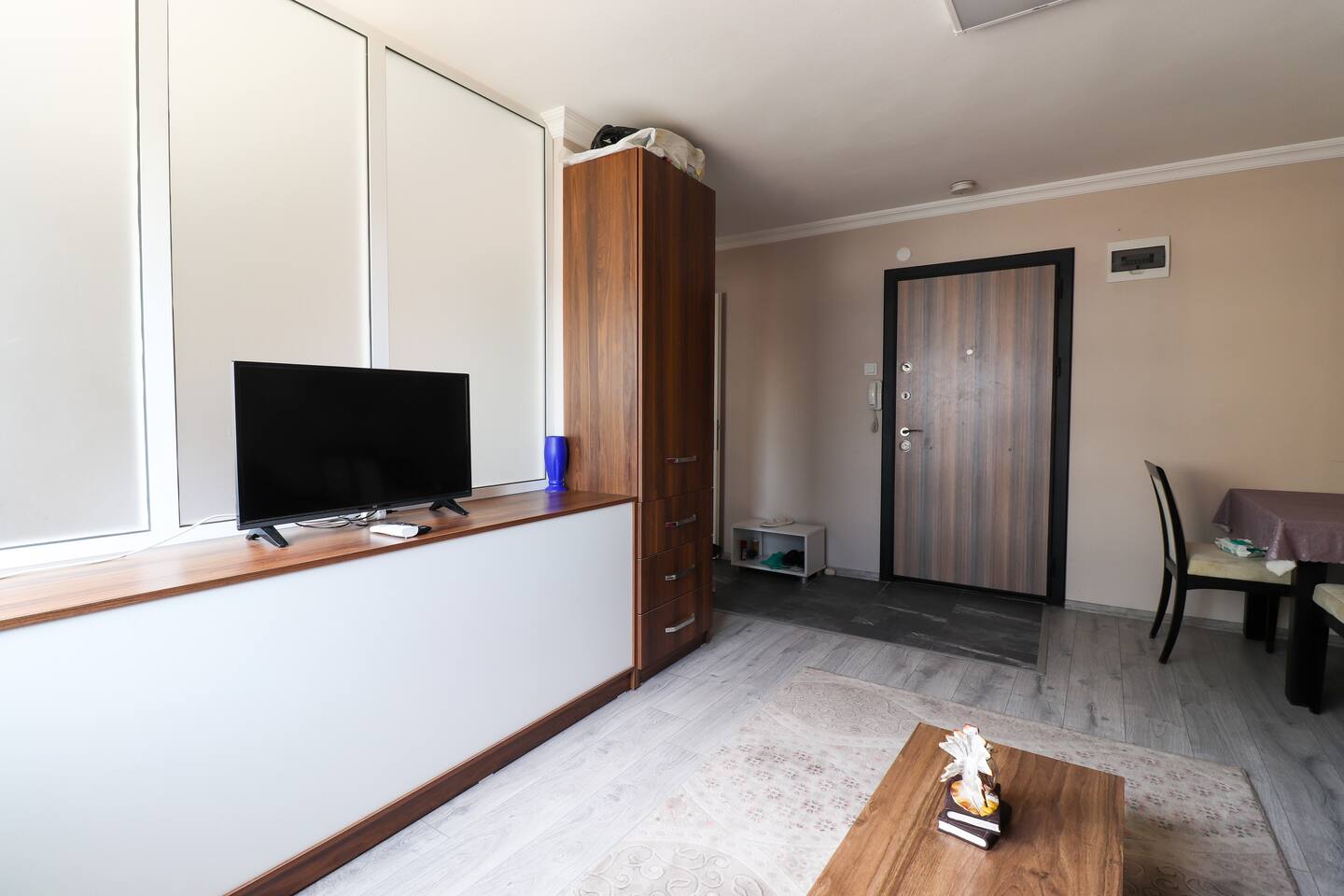
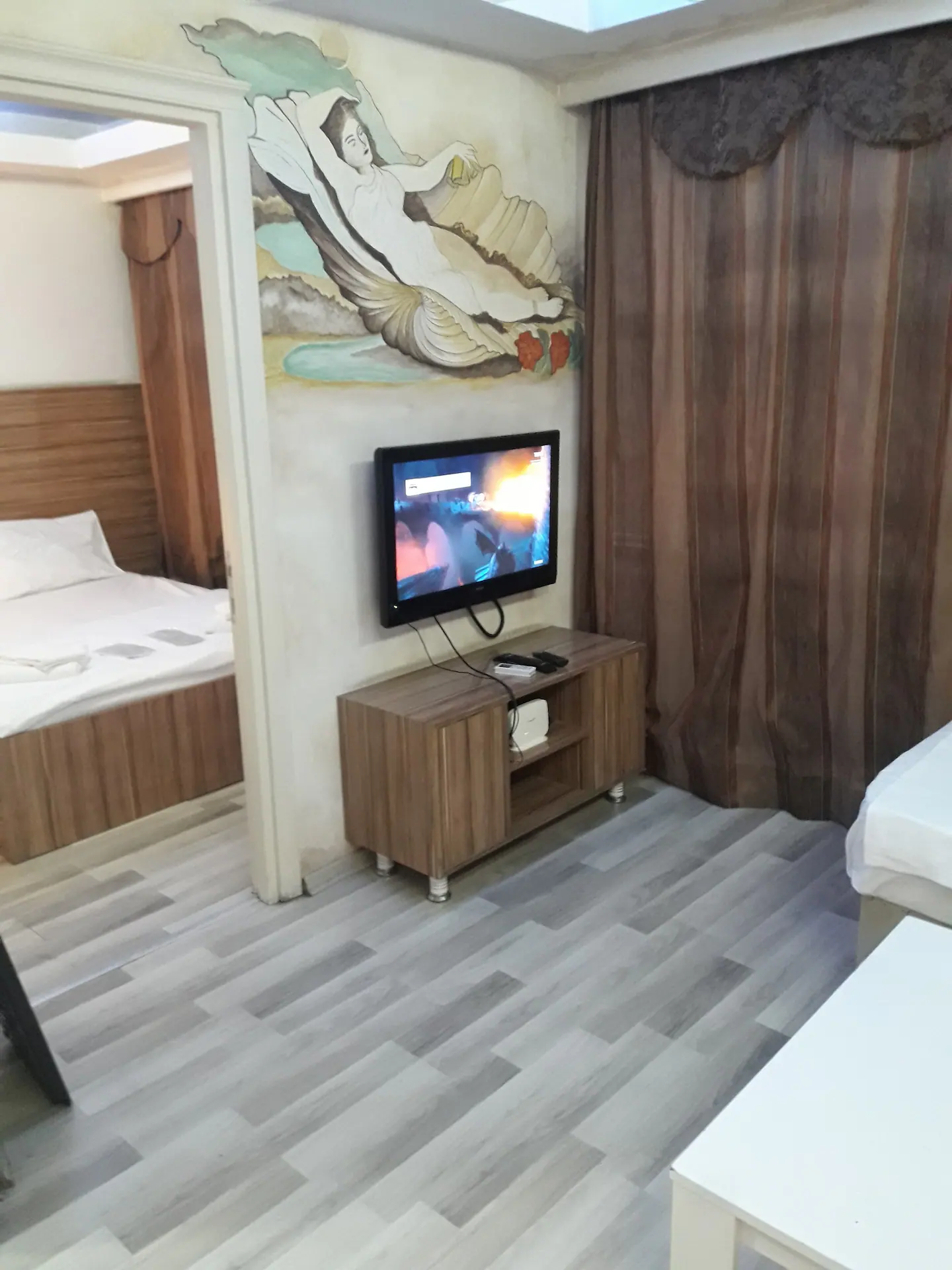
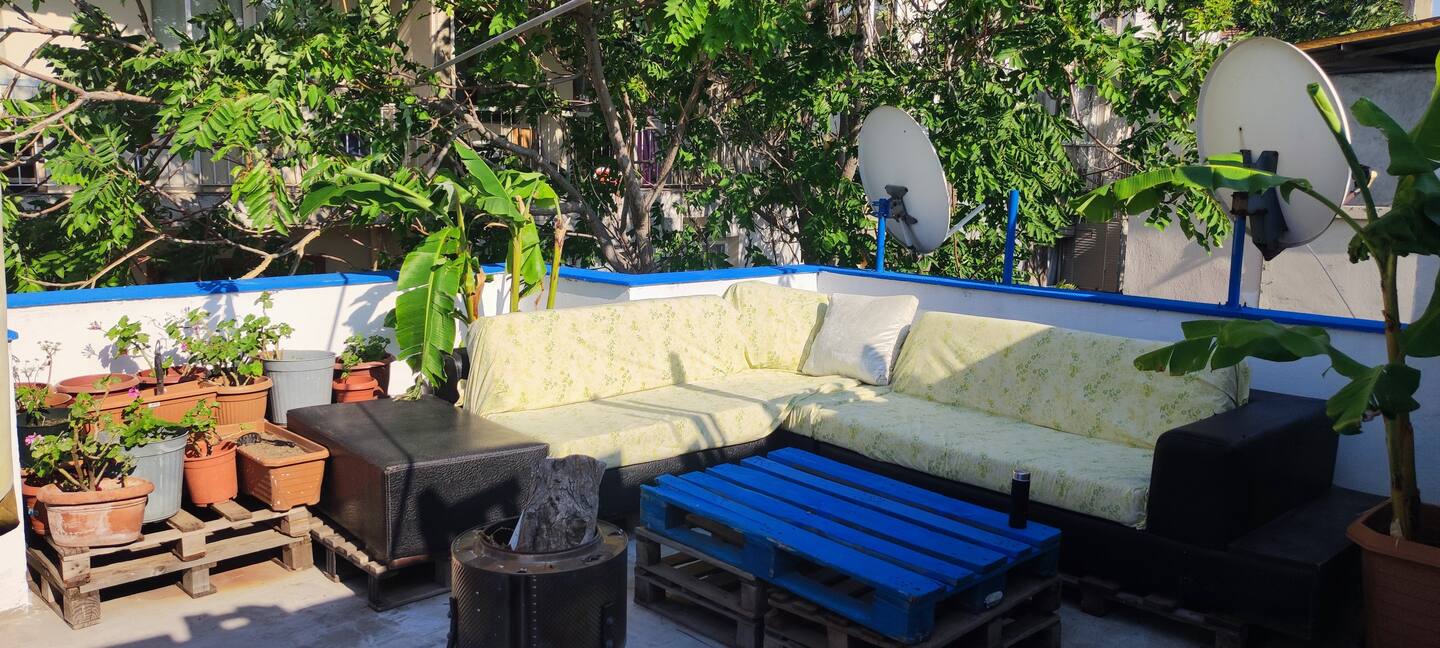
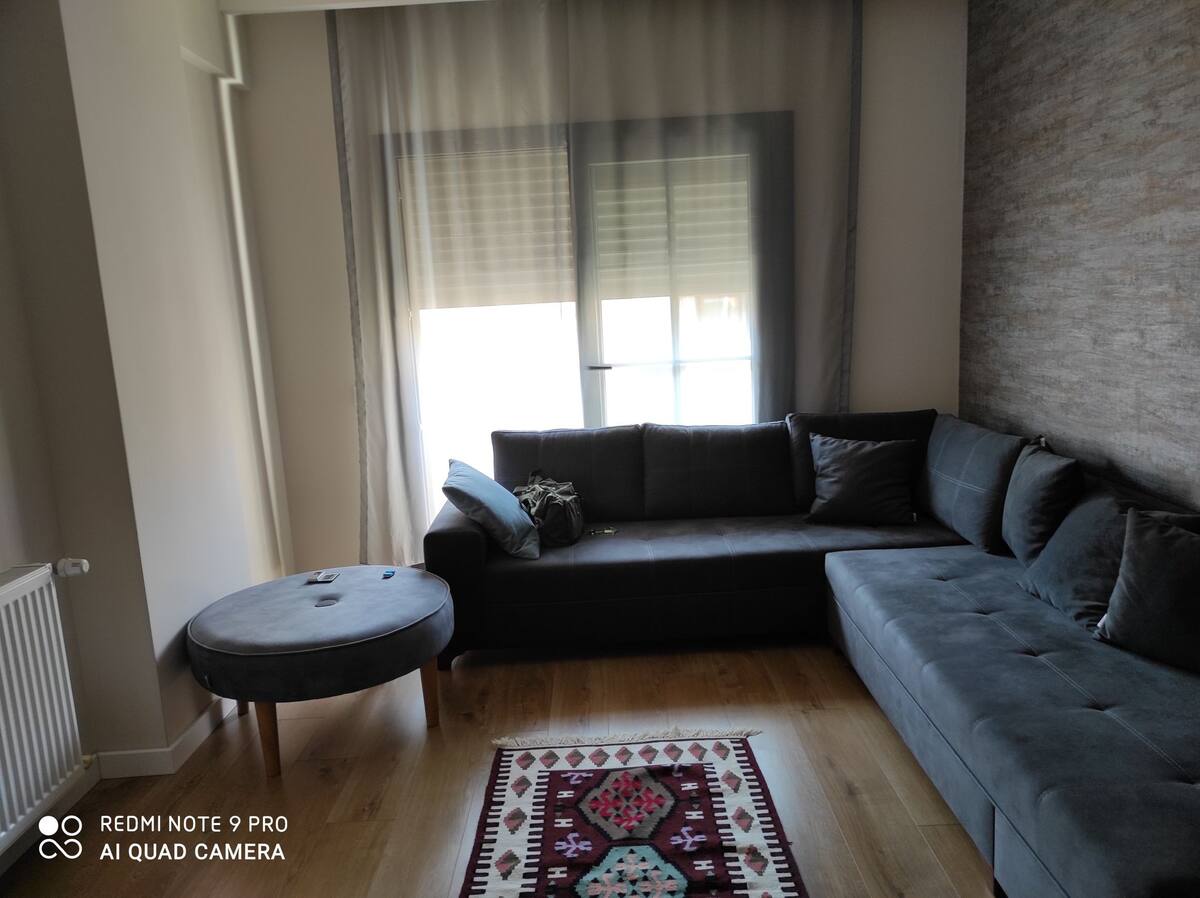
When I stayed in Izmir, I rented a modern apartment in a newer building with elevator access and reliable internet. It was clean, comfortable, and within walking distance of the waterfront. Nothing flashy, but far from basic. The kind of place you could actually live in long term, not just tolerate for a few months.
That is what stands out here. Izmir does not force you into extremes. You are not choosing between luxury and compromise. Even mid-range apartments often feel practical, well laid out, and livable.
In central districts like Alsancak, you pay more for proximity to restaurants, bars, and the waterfront promenade. In Karşıyaka, you trade some central energy for slightly lower prices and a quieter residential feel. Bornova tends to be cheaper due to its university population, while Bayraklı offers newer high-rise options that feel more corporate and polished.
Lodging Budget
Low End
$650
Mid End
$1100
High End
$2000
FOOD
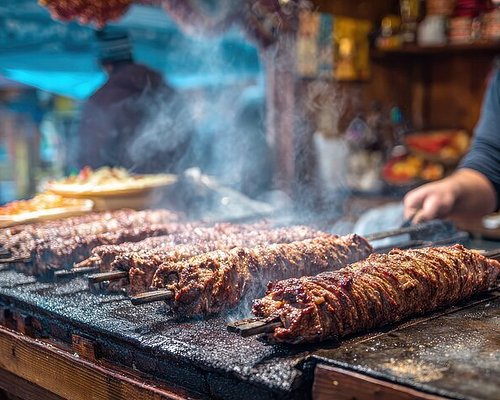
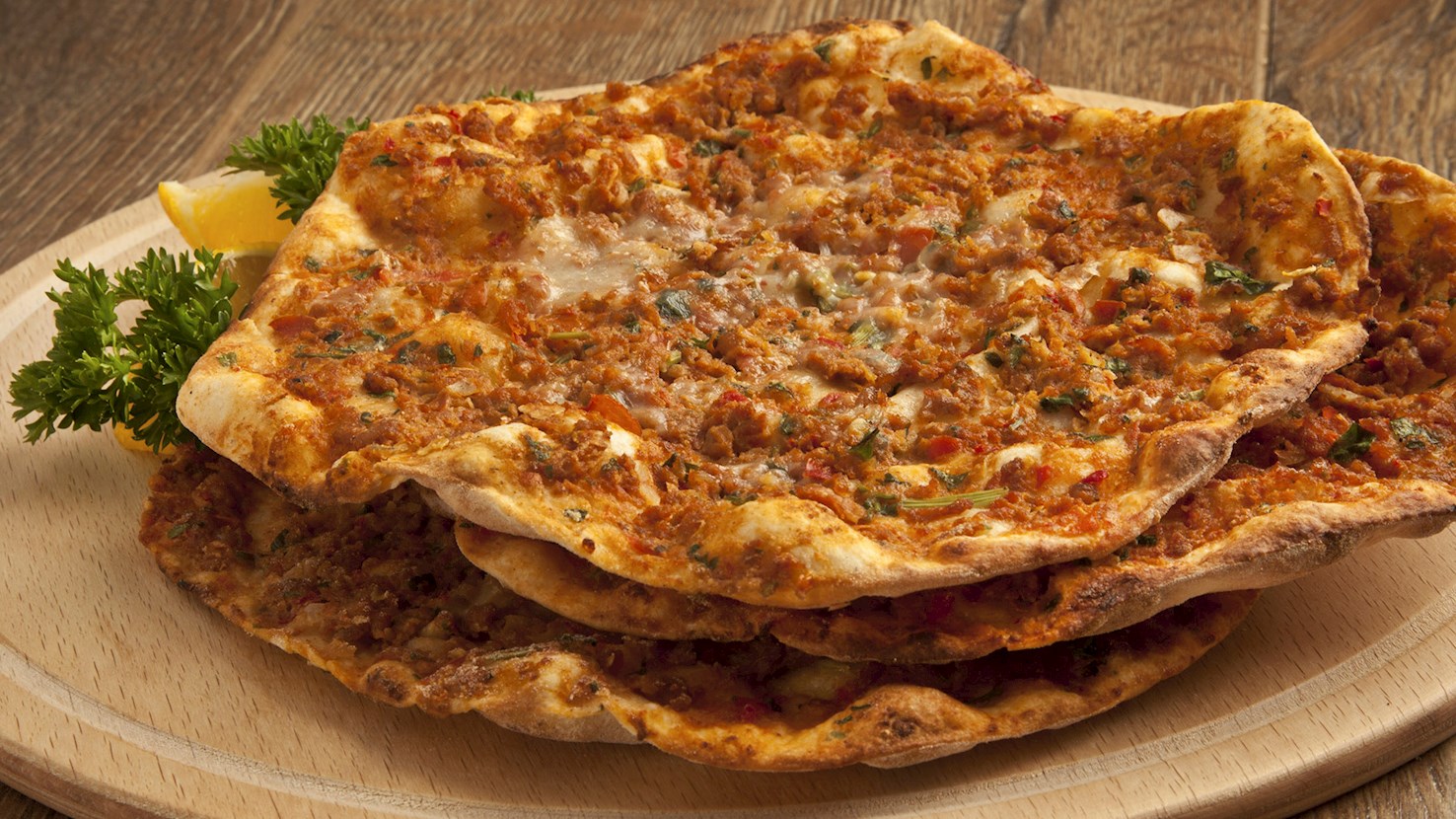
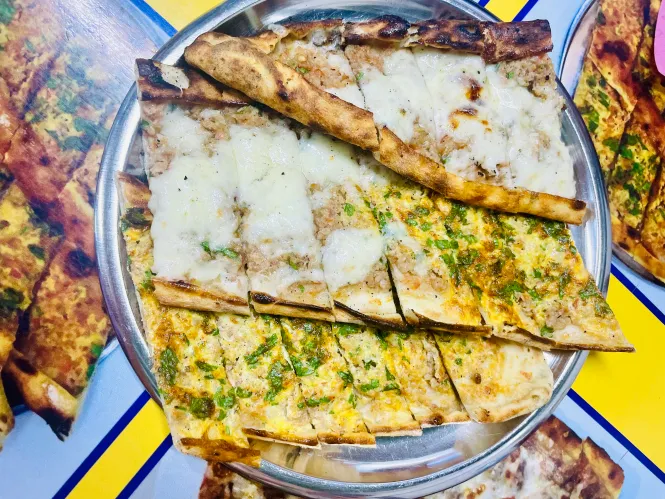
Turkish cuisine is one of Izmir’s strengths, and it remains affordable.
Groceries for one person typically range between $200 and $350 per month depending on diet. Fresh produce is abundant and inexpensive. Bread, vegetables, eggs, and local staples are cheap. Imported goods are where costs increase.
Eating out is accessible across most budgets:
- Casual local restaurant: $6–$12
- Mid-range dinner: $15–$25
- Coffee: $2–$4
-
Beer: $3–$5
Seafood restaurants along the waterfront cost more, but still feel reasonable compared to Southern Europe.
One thing I appreciated was that eating out regularly never felt financially reckless. It felt sustainable.
Food Budget
Low End
$400
Mid End
$600
High End
$1000
Services & Health
Izmir is not known as a digital nomad hotspot, but it functions well for remote work.
Cellphone coverage in Izmir is solid, with LTE available throughout the city and neighboring region.
During my stay, I used Turk Telecom and Vodafone and paid about $25 a month for 20GB of data.
Internet can be a struggle – some of the AirBNBs I worked from had consistency issues: dropping packets, variable speeds and short outages. However, this is not the case for all of Izmir, as I also found units with fast, fiber internet. The easy solution to this is to always check with the host where you will stay and ask for a speedtest. Additionally, since cellphone data is cheap, you can easily tether your phone to your laptop in case your regular connection drops.
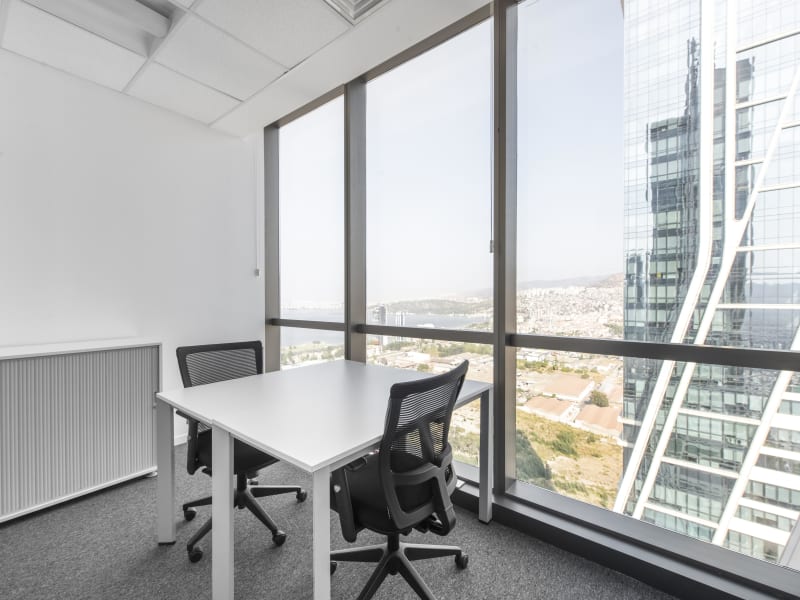
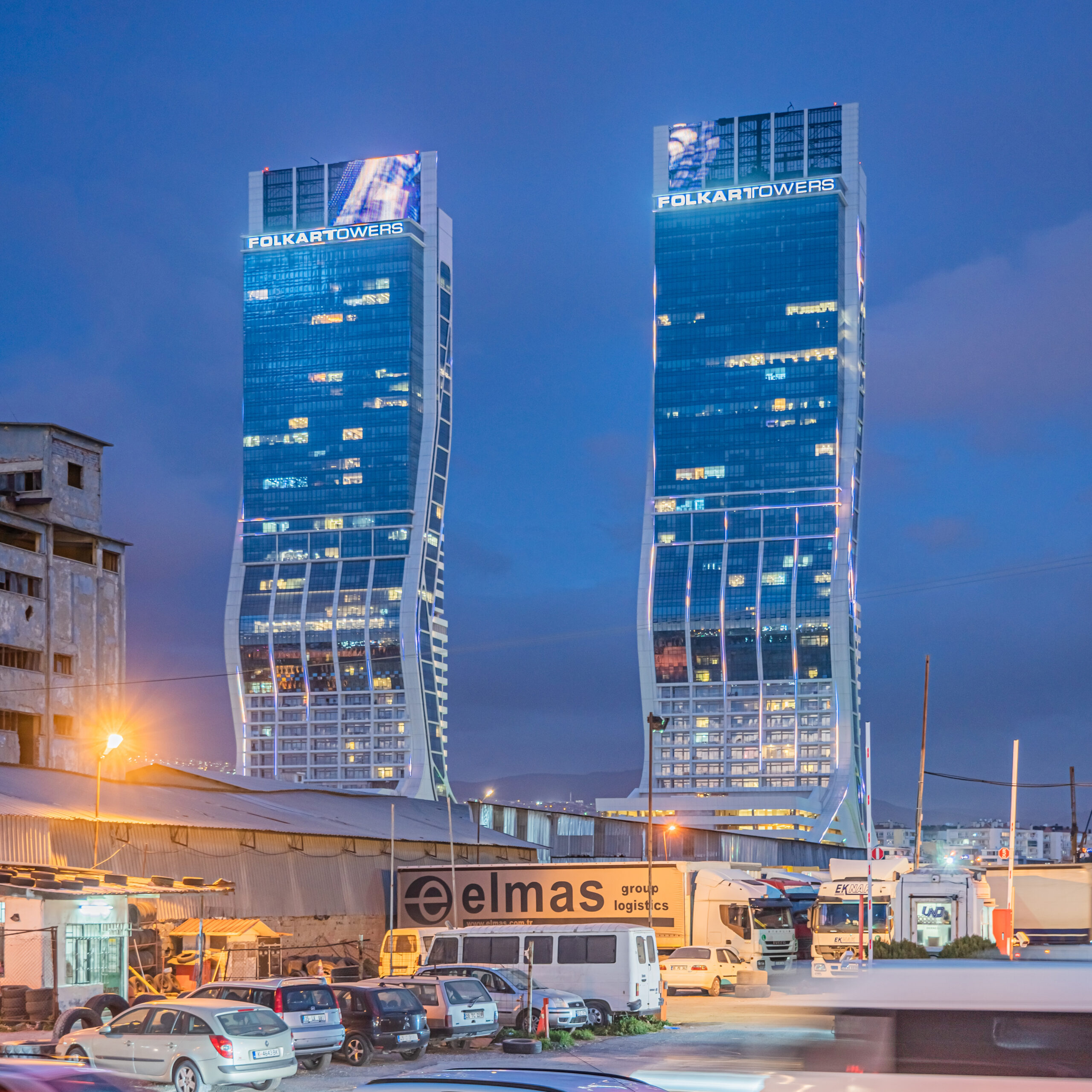
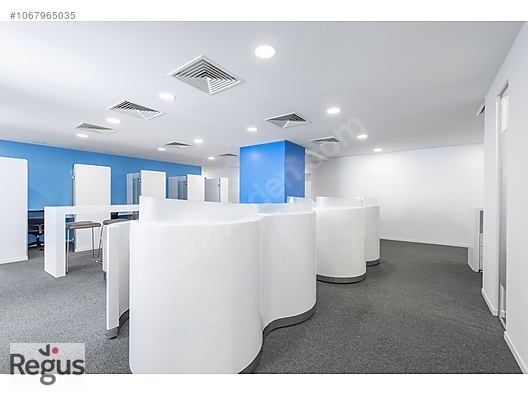
Co-working spaces are available as well, my favorite being Regus in Bayrakli. It is located in the beautiful Folkart towers which are an unmissable landmark of Izmir’s skyline.
If you decide to rent locally and avoid AirBNB, you may have to cover your own utility costs. Typical monthly estimates for these are as follow:
- Electricity: $40–$90
- Water: $10–$25
Gas (winter): $20–$60
Health wise, Turkey has strong private healthcare infrastructure, and private doctor visits typically cost between $30 and $60. International health insurance varies but often falls between $40 and $150 per month depending on age and coverage.
For a city of this size, healthcare access feels reassuring.
Gym memberships range from $30 to $70 per month depending on quality and location, but many residents use the Kordon promenade for walking, jogging, and cycling. It is free and active year-round.
Services & Health Budget
Low End
$200
Mid End
$300
High End
$375
Transportation
Izmir is a large and populous city, and as such, you will find tons of options.
One of the first thing you should do when arriving is getting an Izmirim Kart. These can be found in many small shops and stores (the official Izmirim Kart website has a list of places you can get one). It’s available to foreigners and you can easily top them up with cash or card.
This card allows you access to all forms of transit in Izmir: bus, tram, ferry, subway and most trains (besides regional trains). It even allows you access to the public bathrooms that are scattered around the city’s parks.
Taxis and Uber are also available and very cheap. You can cross the bay from Alsancak to Karsiyaka in about 20-30 minutes for about $15
Transportation Budget
Low End
$30
Mid End
$40
High End
$80
Entertainment & Nightlife
When people think of Turkey, they’ll often assume that it’s character as an Islamic country disqualifies it from being a party location. However, that could not be further from the truth.
Firstly, Turkey is quite secular compared to it’s Southern neighbors, meaning it is easy to find alcohol in most stores as well as bars and clubs.
Secondly, Izmir is Turkey’s most liberal city, and you’ll see more women in mini-skirts than wearing veils.
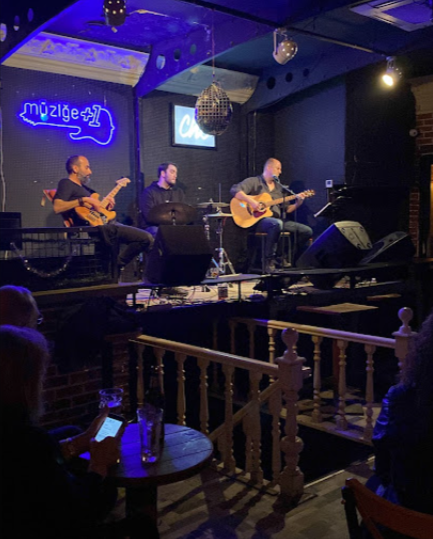
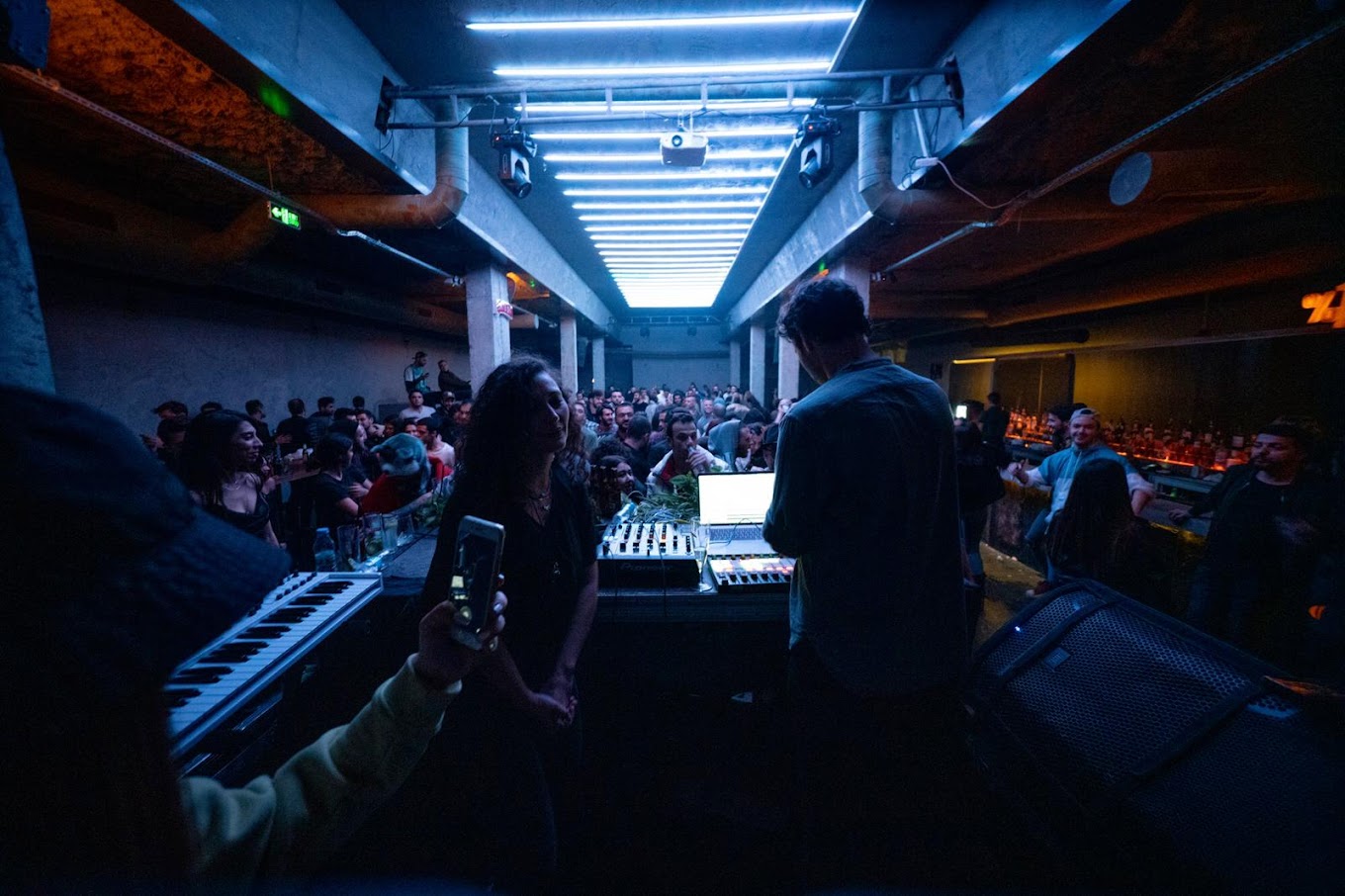
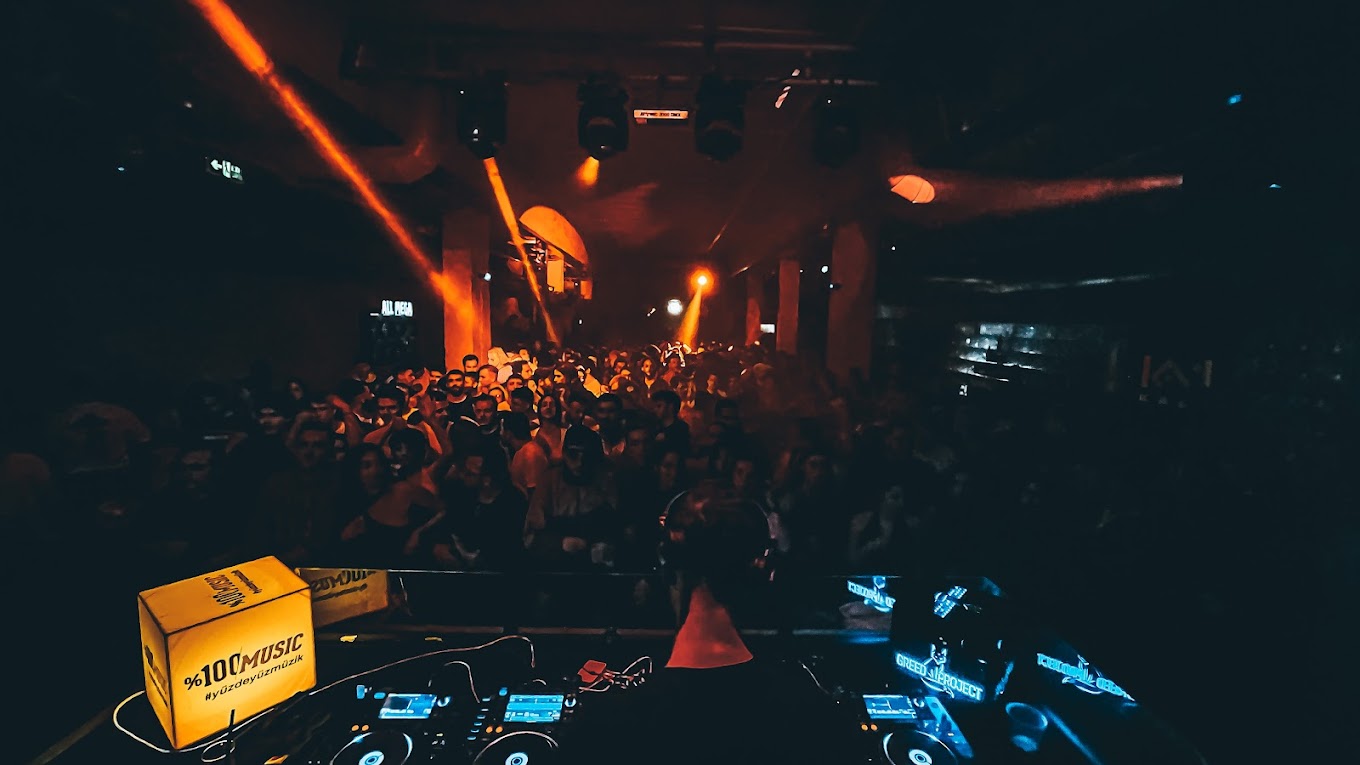
While I would not say Izmir is a top party city, it certainly has many bars and nightclubs. Alsancak has bars and live music venues. Karşıyaka offers quieter evenings. It is social without being overwhelming.
Some of my favorites were:
Trip Bar – LGBT Friendly club with solid electronic music (LINK)
Dope/Maze Izmir – The best hip-hop club in Izmir (LINK)
KALT – The best techno club in the region (LINK)
Che – Laid back bar popular with expats and nomads (LINK)
Additionally, Izmir is a center of culture and archeological sites. There are many day trips available just outside the city to see ruins from the Greek, Roman, Byzantine, Persian and Ottoman empires.
Entertainment & Nightlife Budget
Low End
$150
Mid End
$250
High End
$400
Totals & Full Budget Breakdown
Is Izmir Expensive?
Compared to:
- Istanbul → Cheaper
- Western Europe → Significantly cheaper
- Lima → SLightly higher housing costs
- Buenos Aires → Comparable
- USA/Canada → Significantly cheaper
Izmir offers a Mediterranean setting without Western European rent pressure.
Low End Cost of Living in Izmir
$1,600/month
| Category | Monthly Cost |
|---|---|
| Rent | $650 |
| Utilities + Internet | $90 |
| Groceries | $250 |
| Eating Out | $150 |
| Transport | $30 |
| Gym | $40 |
| Insurance | $80 |
| Social & Nightlife | $150 |
| Misc | $100 |
| Total | $1,540 |
This assumes rare bar nights, few casual dinners out, and modest entertainment.
Mid End Cost of Living in Izmir
$2,500/month
| Category | Monthly Cost |
|---|---|
| Rent | $1,100 |
| Utilities | $120 |
| Groceries | $300 |
| Eating Out | $300 |
| Transport | $40 |
| Gym | $60 |
| Insurance | $120 |
| Social & Nightlife | $250 |
| Misc | $200 |
| Total | $2,490 |
Frequent dining out, regular bar nights in Alsancak, and a comfortable coastal routine.
High End Cost of Living in Izmir
$4,000+/month
| Category | Monthly Cost |
|---|---|
| Rent | $2,000 |
| Utilities | $150 |
| Groceries | $400 |
| Eating Out | $600 |
| Transport | $80 |
| Gym | $70 |
| Insurance | $150 |
| Social & Nightlife | $300 |
| Misc | $300 |
| Total | $4,050 |
Prime apartment, waterfront dinners, regular nights out, and full flexibility.
Final Thoughts: The Quiet Advantage
Izmir feels grounded.
It is a real city with real infrastructure, not a seasonal nomad hotspot. It offers coastline, culture, reasonable rent, and strong healthcare in one package.
If you are looking for a long-term base rather than a short-term trend, the numbers make sense.
And in a region where coastal cities often come with inflated pricing, that balance stands out.