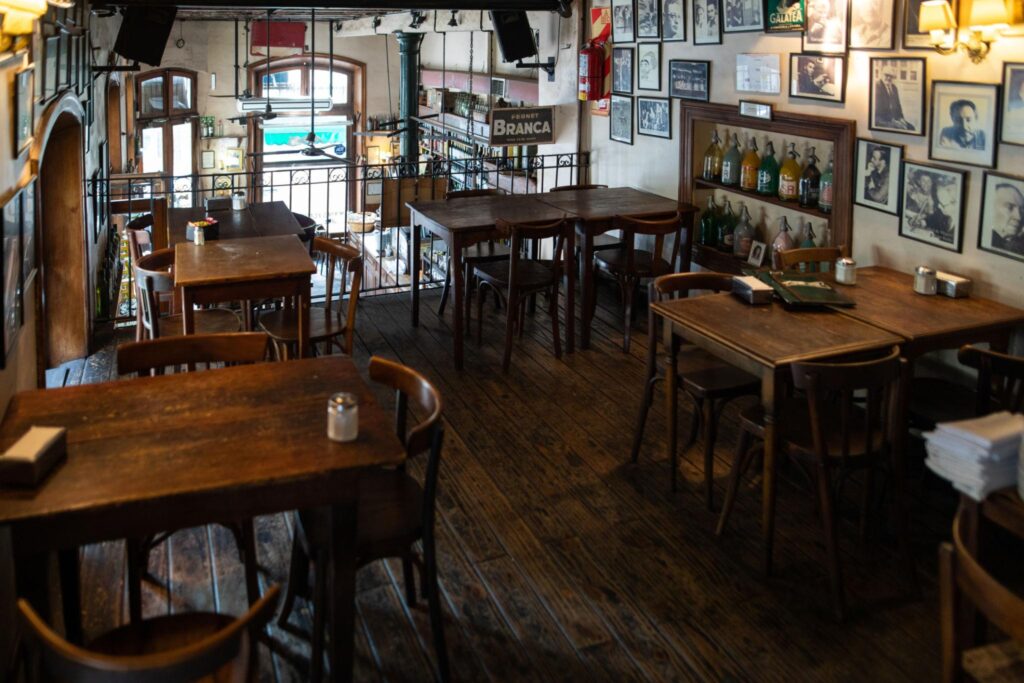
Within the first few days of arriving, most visitors notice the same thing. The smell of grilled meat drifting out of restaurants at all hours. Cafés filled with locals lingering over coffee long after the cup is empty. Bakeries turning out trays of pastries that somehow disappear before noon.
Food here is not rushed. Meals stretch out. Conversations stretch even longer. Restaurants rarely try to impress you with complicated presentation or experimental cuisine. Instead they rely on something simpler. Quality ingredients, generous portions, and traditions that have been perfected over decades.
For digital nomads, this means one thing very quickly becomes clear. Cooking at home is optional in Buenos Aires.
The Backbone: Argentina’s Meat Culture
Argentina’s relationship with beef is legendary, and Buenos Aires sits at the center of that culture. The country’s vast grasslands have produced some of the best cattle in the world for generations, and locals take their meat very seriously.
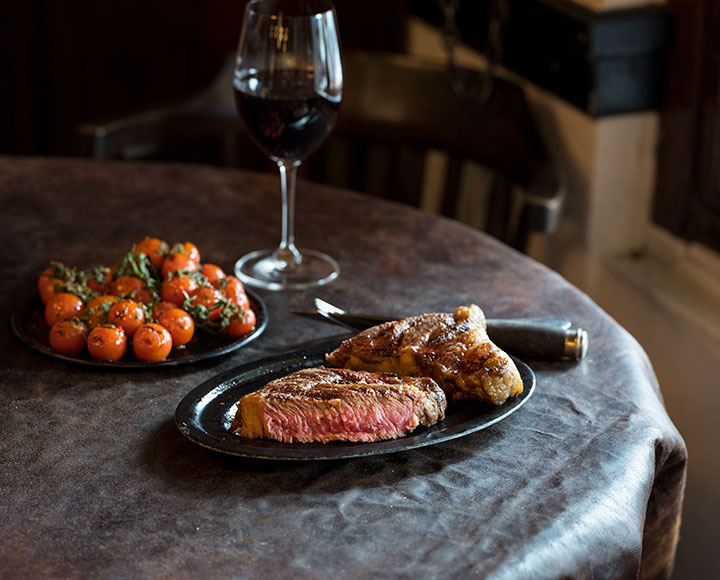
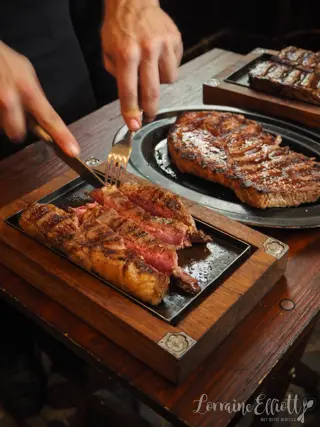
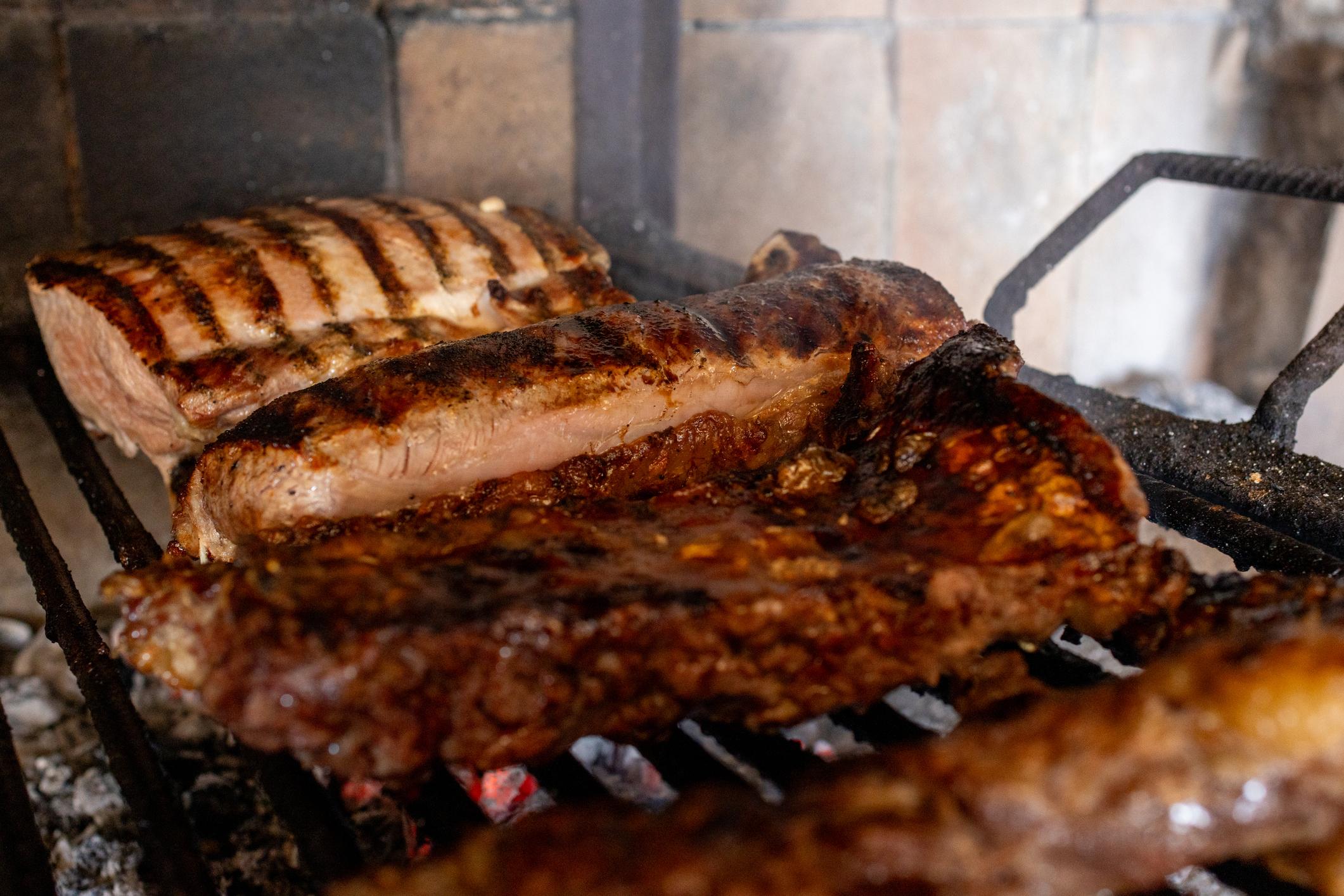
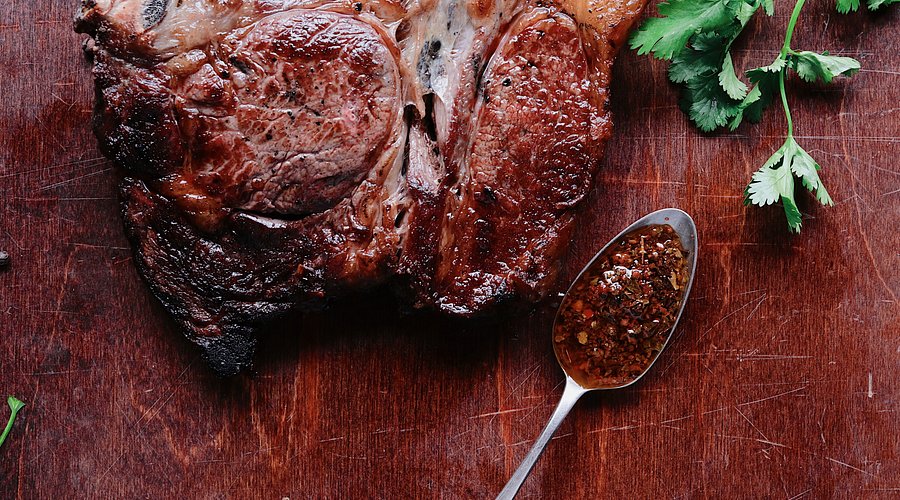
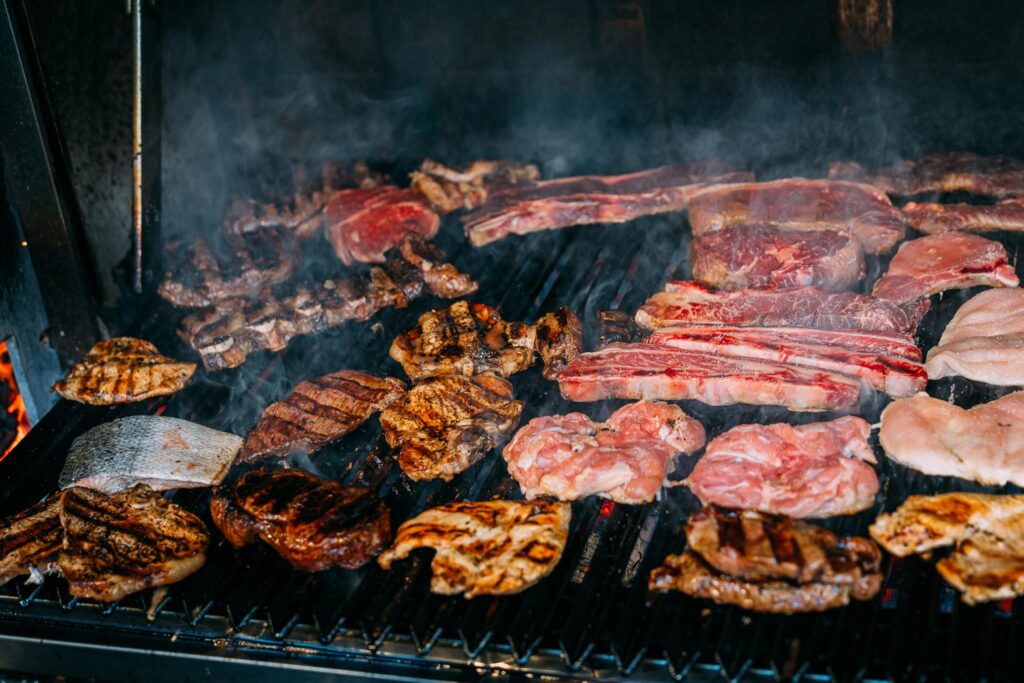
The traditional Argentine grill is called a parrilla, and visiting one is practically a requirement for anyone spending time in the city. These restaurants focus on slow grilled meats cooked over wood or charcoal, usually served simply with salt and little else.
Some of the staples you will see everywhere include:
Asado
The centerpiece of Argentine cuisine. Asado refers both to the meal and the cooking method itself. Different cuts of beef are grilled slowly and served in rounds, often alongside sausages and other meats.
Choripán
A grilled chorizo sausage served in bread with chimichurri sauce. Simple, cheap, and one of the most popular street foods in the country.
Milanesa
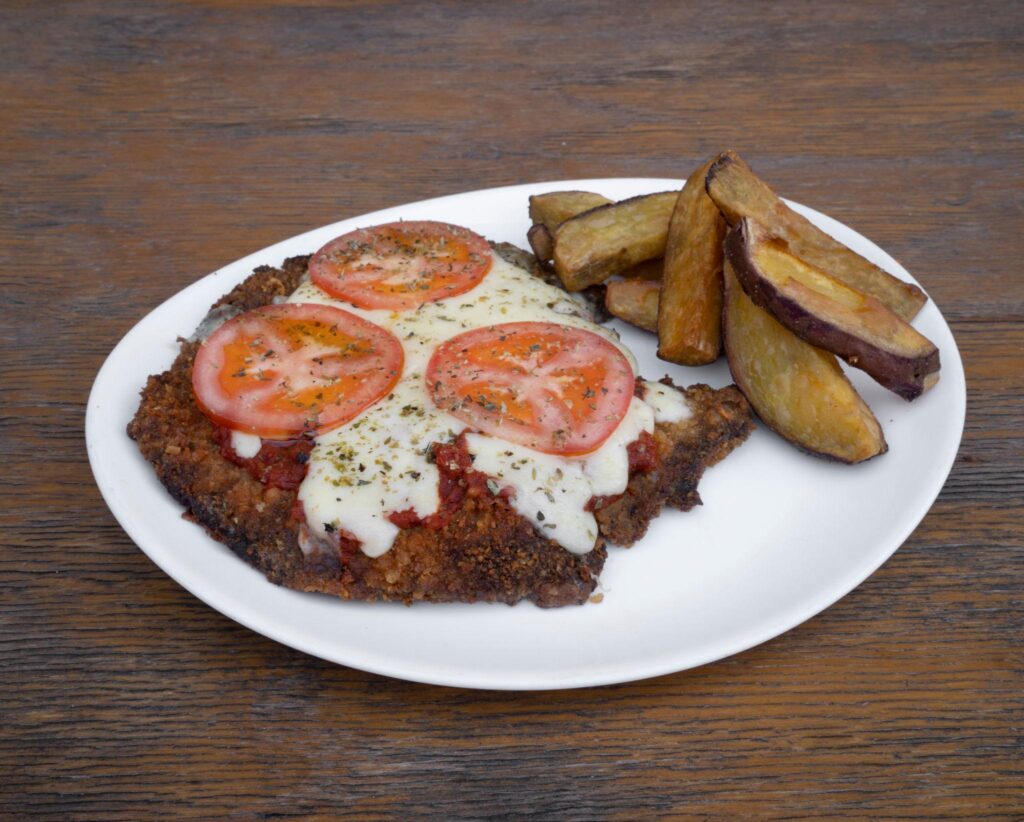
Breaded and fried meat, usually beef or chicken. Think of it as Argentina’s version of schnitzel. It often comes topped with cheese, ham, and tomato sauce in a variation called milanesa napolitana.
Provoleta
A thick slice of provolone cheese grilled until the outside forms a crispy crust while the inside melts into a bubbling pool of cheese.
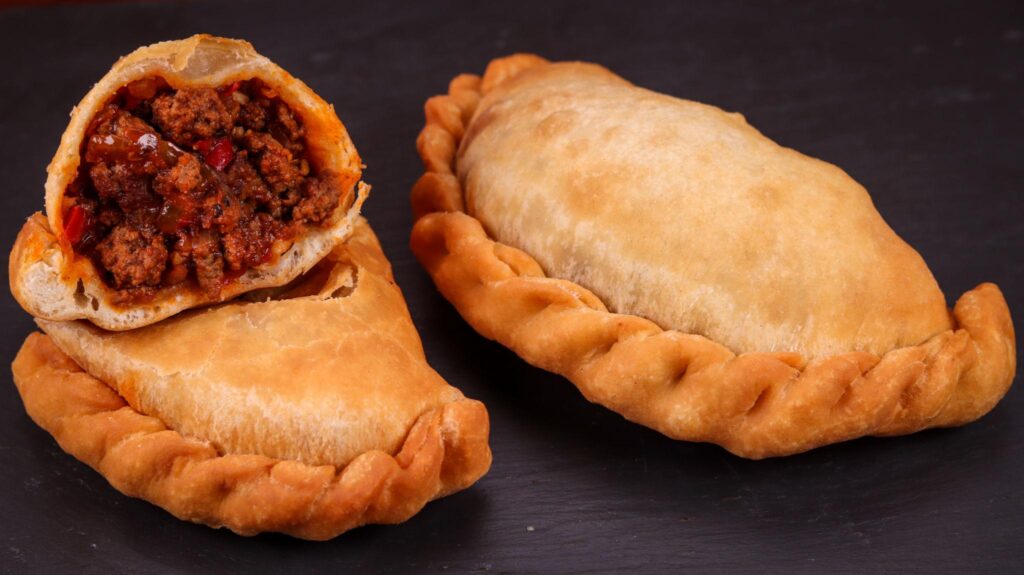
Empanadas
Small pastry pockets filled with meat, cheese, or vegetables. They are found everywhere from bakeries to high end restaurants and make a perfect quick meal.
Buenos Aires also has a strong café culture. Coffee, pastries, and dulce de leche desserts are as much a part of daily life as steak dinners.
Local Favorites
Buenos Aires has thousands of restaurants, ranging from humble neighborhood parrillas to world-renowned dining rooms. The city does not lack options.
Here are a few spots that consistently stand out.
Don Julio
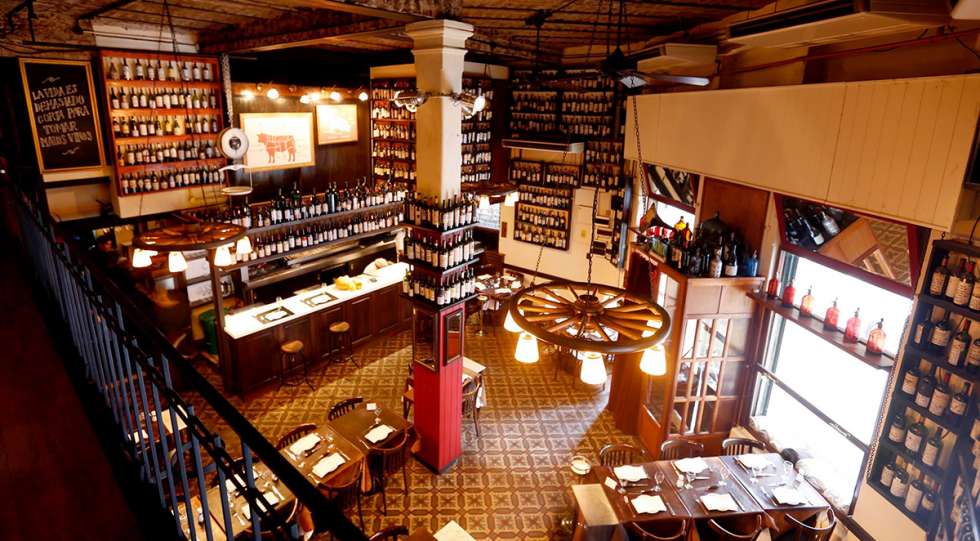
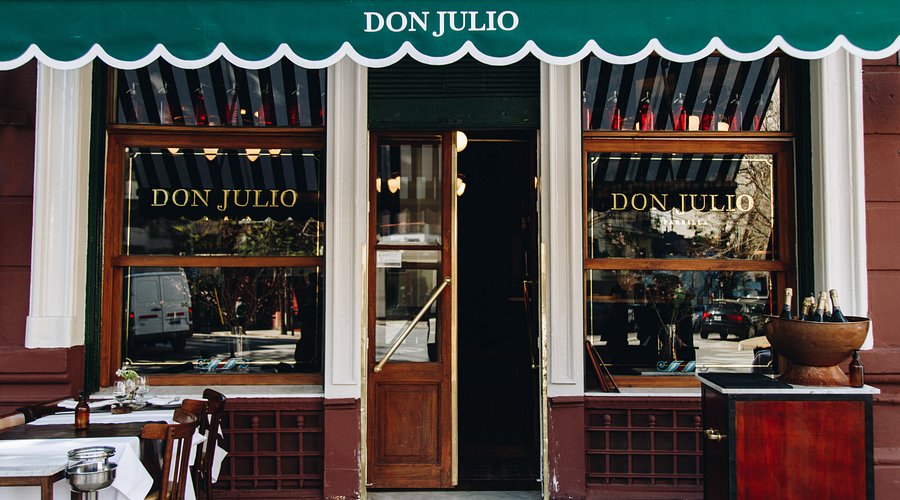
Often ranked among the best steakhouses in the world, Don Julio has become something of a pilgrimage site for meat lovers visiting Buenos Aires. The restaurant sits in Palermo and focuses on doing one thing extremely well: meat.
Reservations can be difficult to secure, but if you manage to get a table, it is an experience worth having.
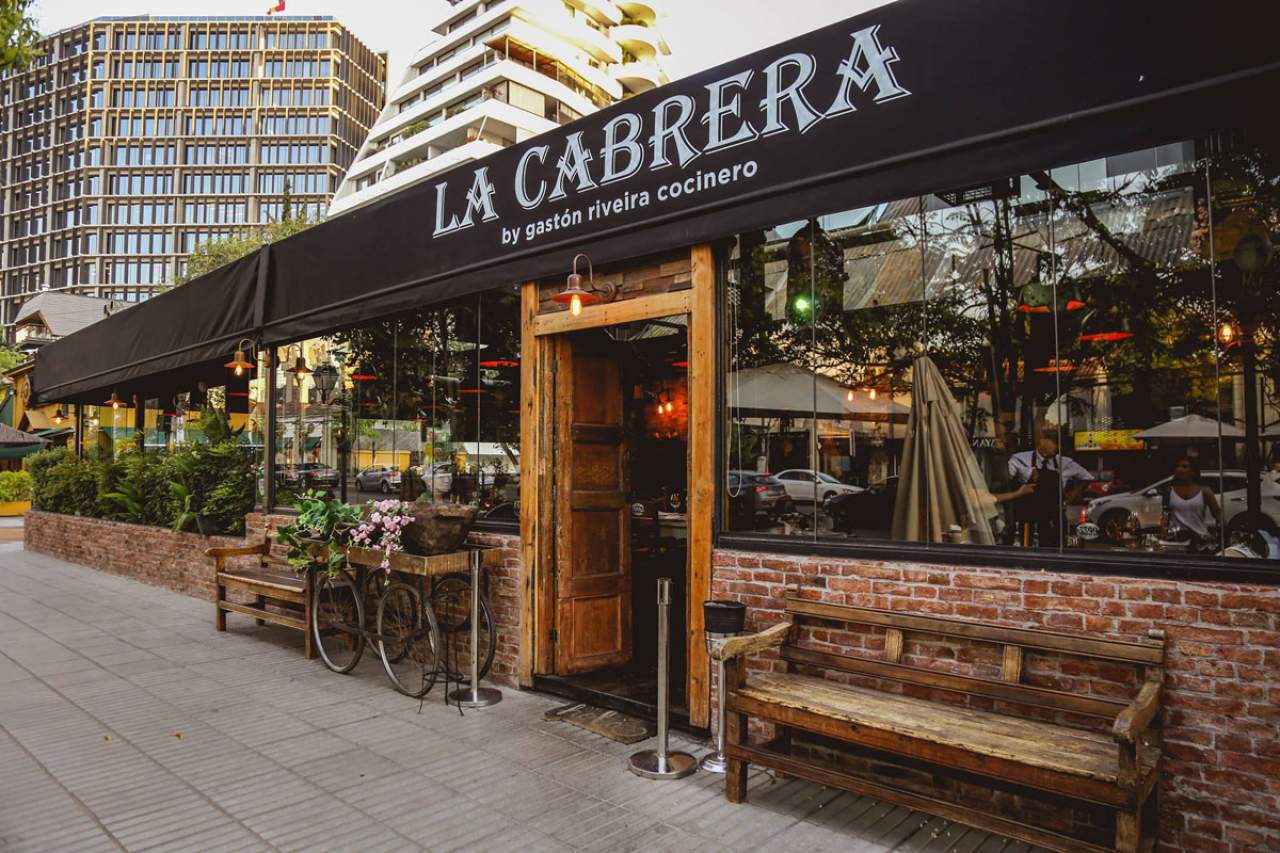
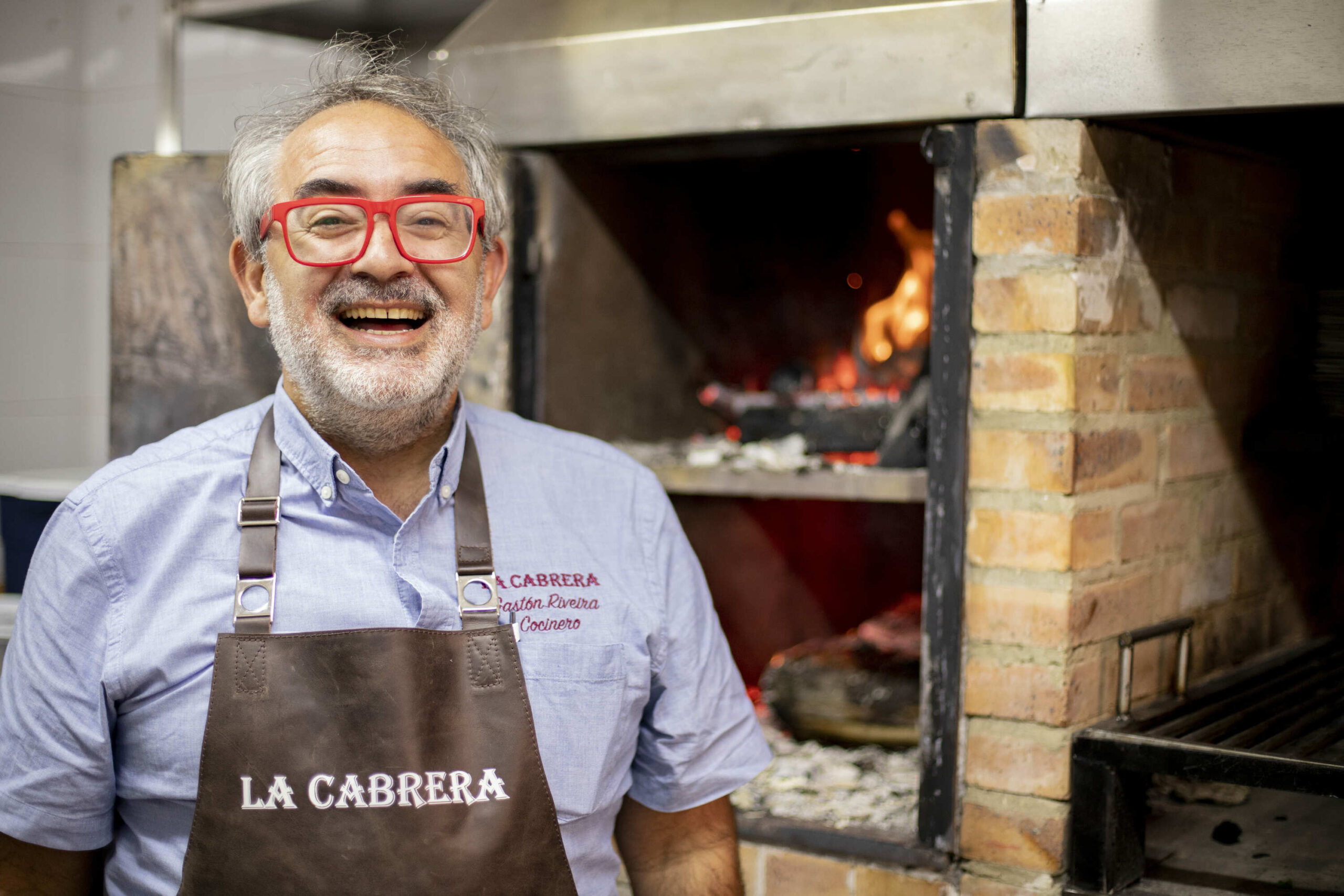
La Cabrera
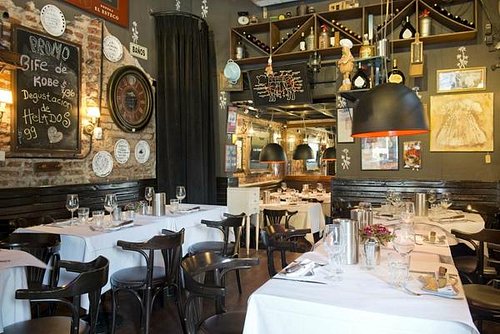
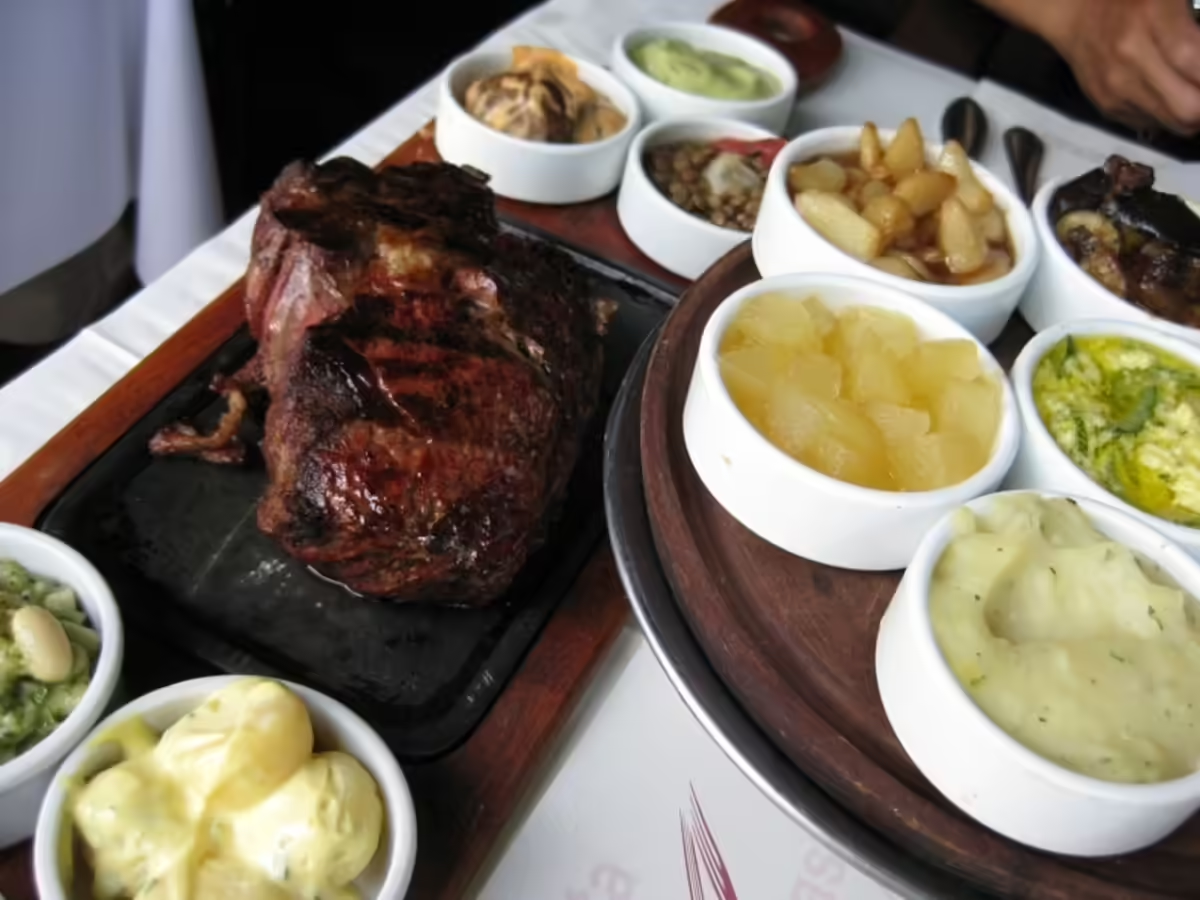
Another Palermo institution, La Cabrera offers a more lively and casual steakhouse atmosphere. It has been serving locals and visitors for years and remains one of the most reliable places to experience Argentine steak culture.
The portions are generous and plates usually arrive surrounded by small side dishes that complement the meat.
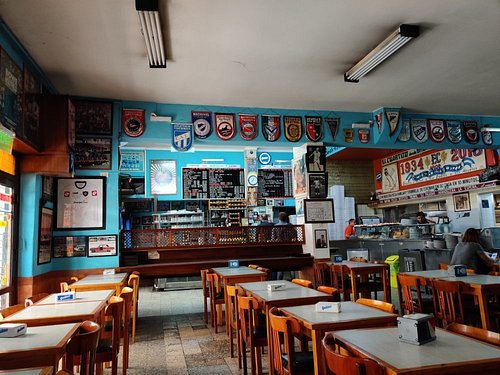
El Cuartito
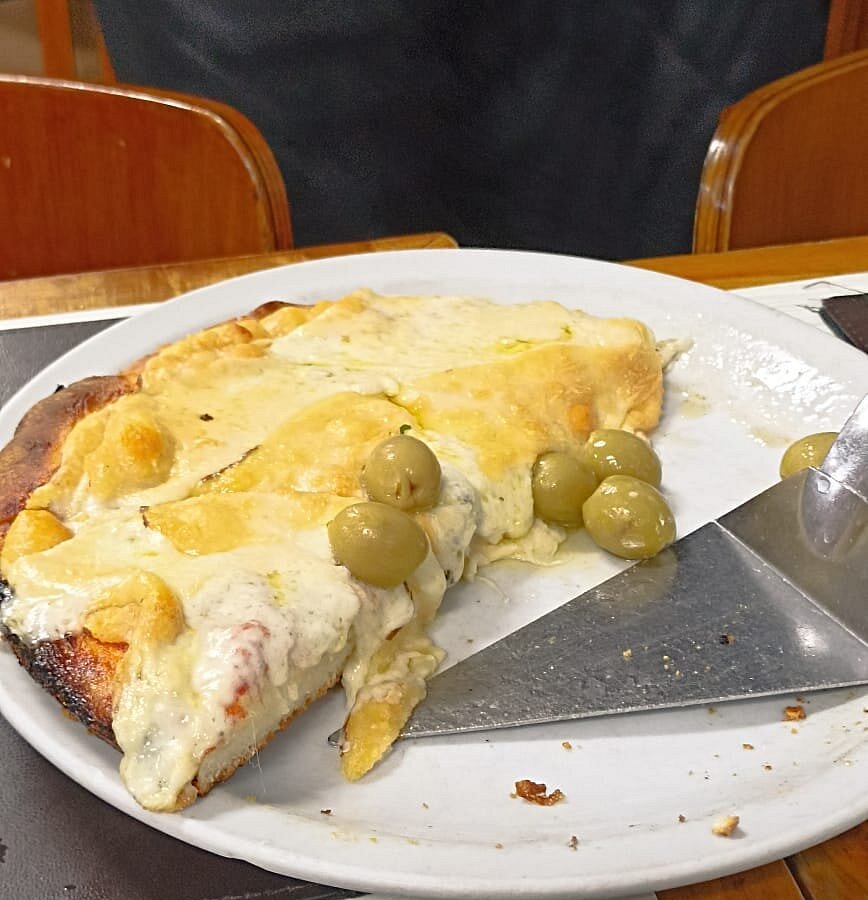
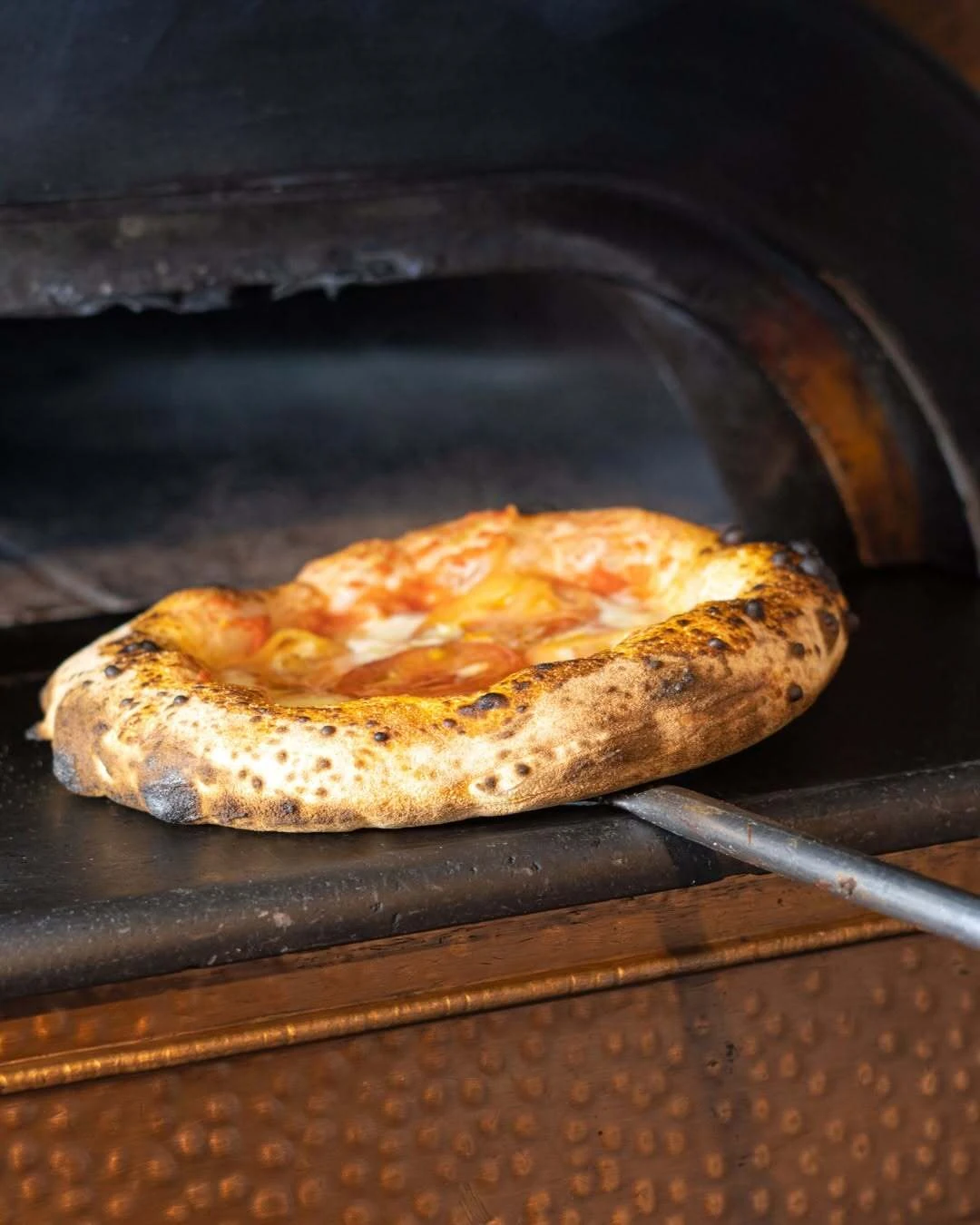
Buenos Aires takes pizza surprisingly seriously, and El Cuartito is one of the city’s classic pizzerias. Open since the 1930s, the restaurant has become a local institution.
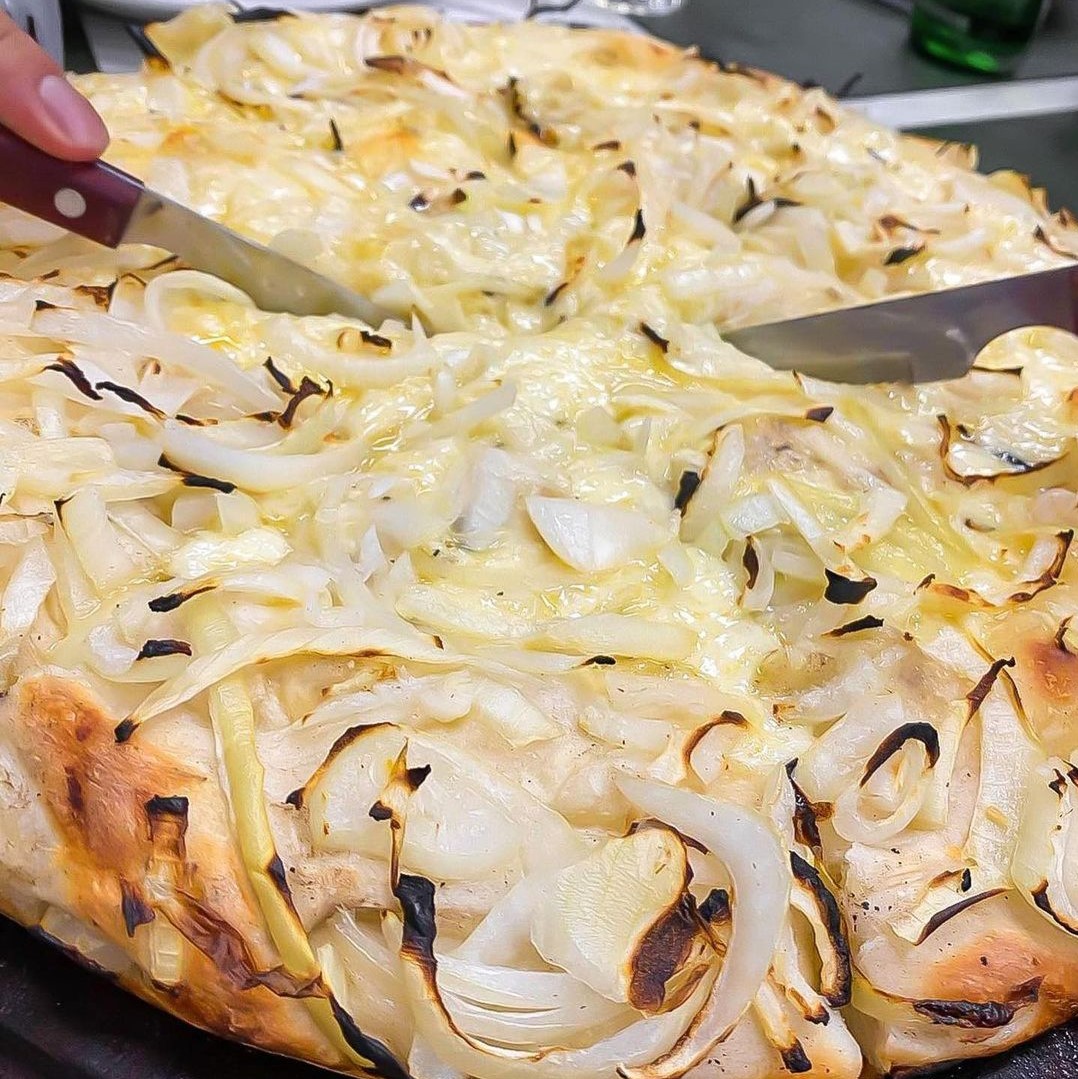
Argentine style pizza tends to be thick, heavy on cheese, and served in generous slices. It is not delicate, but it is incredibly satisfying.
Somos Asado
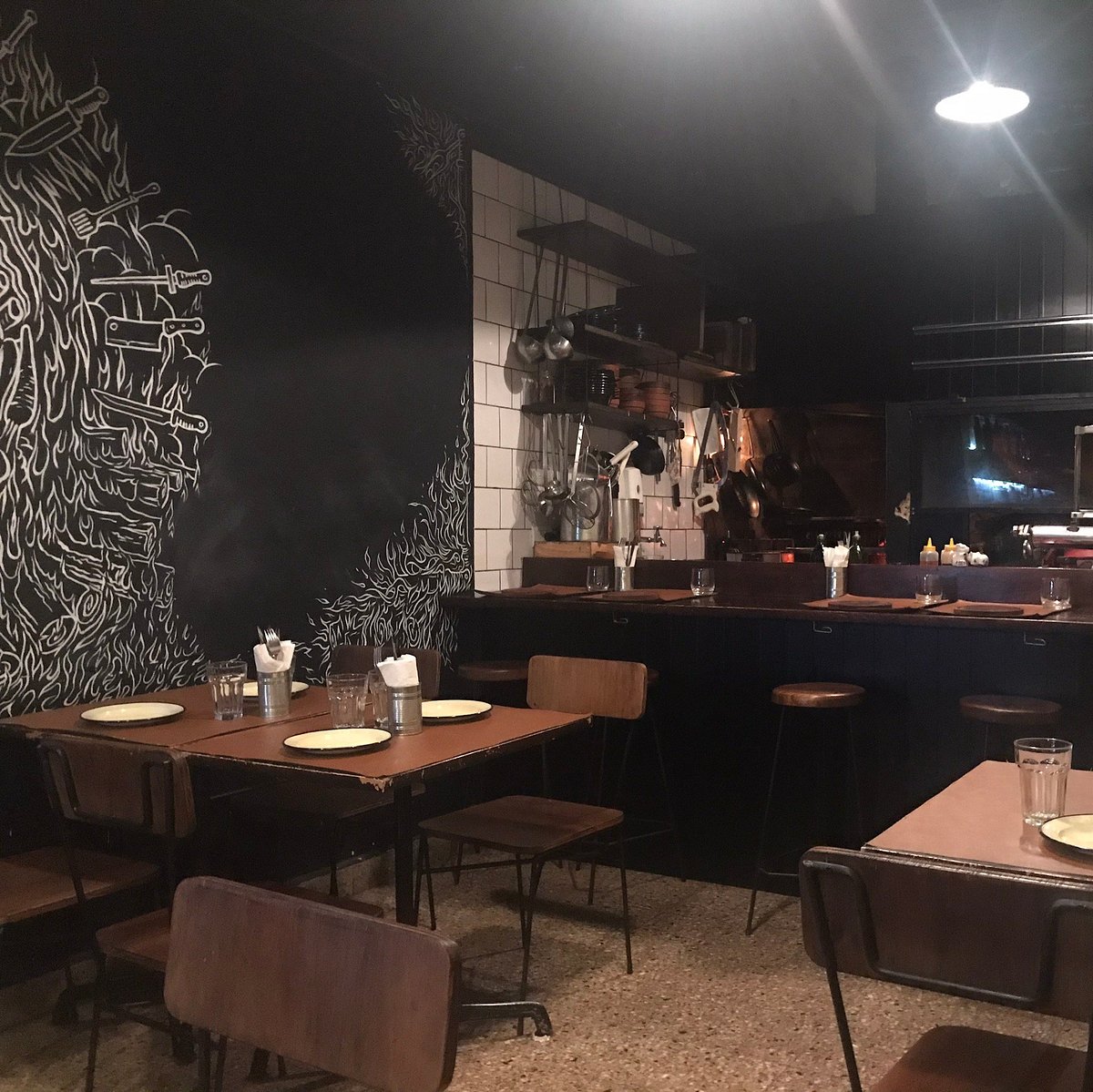
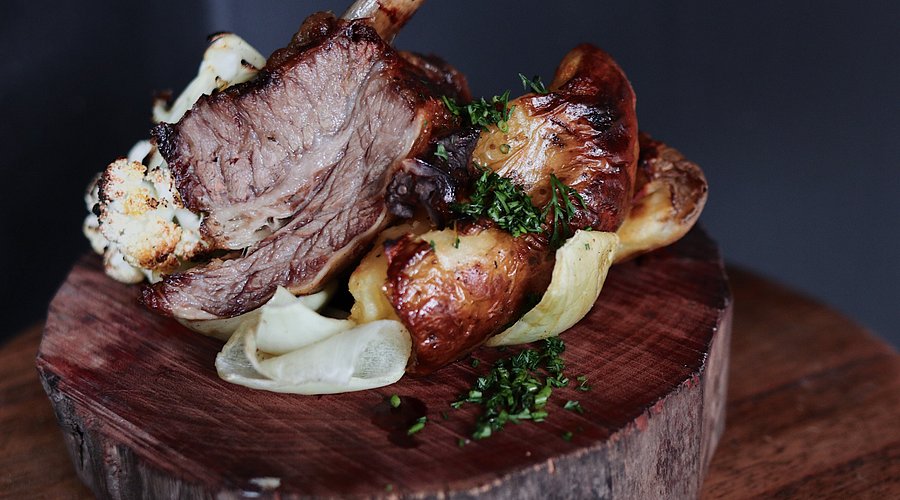
While many parrillas in the city focus on old school simplicity, this spot brings a more contemporary presentation while still respecting the fundamentals of Argentine grilling.
The menu revolves around different cuts of beef cooked over open flame, along with classic sides and plenty of Malbec to accompany the meal.
Eating Like a Local
One of the advantages of living in Buenos Aires is that eating well does not have to be expensive.
Local restaurants offer generous meals at prices that still feel reasonable compared to most major cities.
Typical prices you can expect around the city:
Coffee at a café: $2 to $3
Empanadas: $1 to $2 each
Casual restaurant meal: $8 to $15
Steak dinner at a parrilla: $20 to $35
Food delivery apps like PedidosYa and Rappi are widely used, making it easy to order meals to your apartment when you do not feel like going out.
Many nomads find themselves cooking far less than expected simply because good food is available everywhere.
Final Thoughts
Buenos Aires does not treat food as entertainment. It treats it as part of daily life.
Lunch might last two hours. Dinner might start at ten. A quick coffee can easily turn into a long conversation.
The city’s cuisine reflects that same philosophy. It is generous, simple, and deeply tied to tradition. Few places in the world celebrate the act of eating quite like Argentina does.
For digital nomads, Buenos Aires offers something that becomes clear very quickly.
You come for the city.
But you stay for the food.