Lima is a city that wears contradiction with confidence.
It is sprawling, grey skies give it character rather than gloom, and it feels less like a “destination” and more like a civilization in motion. Unlike the shouts of Cartagena’s colonial walls or the surfer’s constant call along Ecuador’s coast, Lima whispers. And once you understand how to listen, it rewards you with food that rewires your standards, neighborhoods that wear personality instead of polish, and daily rhythms that make you feel not like a visitor, but someone inhabiting a real place.
This is not a getaway city. It is a base camp for living, working, wandering, and eating with intention.
In this guide, we’ll break down costs for the following main categories:
Make sure to also check out our other Lima guides here:
Lifestyle
Living in Lima does not feel like passing through.
It feels like committing.
This is not a nomad bubble city where every second person is building a startup between smoothie bowls. Lima is a capital of nearly ten million people. It wakes up early. It moves with purpose. It deals with traffic, politics, deadlines, family dinners, and real life.
If you choose to base yourself here, you are choosing a functioning metropolis, not a temporary playground.
The rhythm is grounded. Mornings begin with commuters, school uniforms, shop shutters rolling open. By midday, the city hums with business energy. San Isidro fills with suits. Miraflores fills with residents walking dogs along the Malecón. Barranco slowly warms up for the evening. There are routines here that have nothing to do with remote work.
That is part of the appeal.
Lima does not revolve around digital nomads. There are coworking spaces, but only a handful compared to places like Medellín or Mexico City. Most people here are not remote founders or freelance creatives. They are Peruvians building careers, running shops, raising families. The foreign community tends to skew long term. People who moved for work. People who married locals. People who stayed.
Establishing a base here feels closer to a life decision than a seasonal experiment.
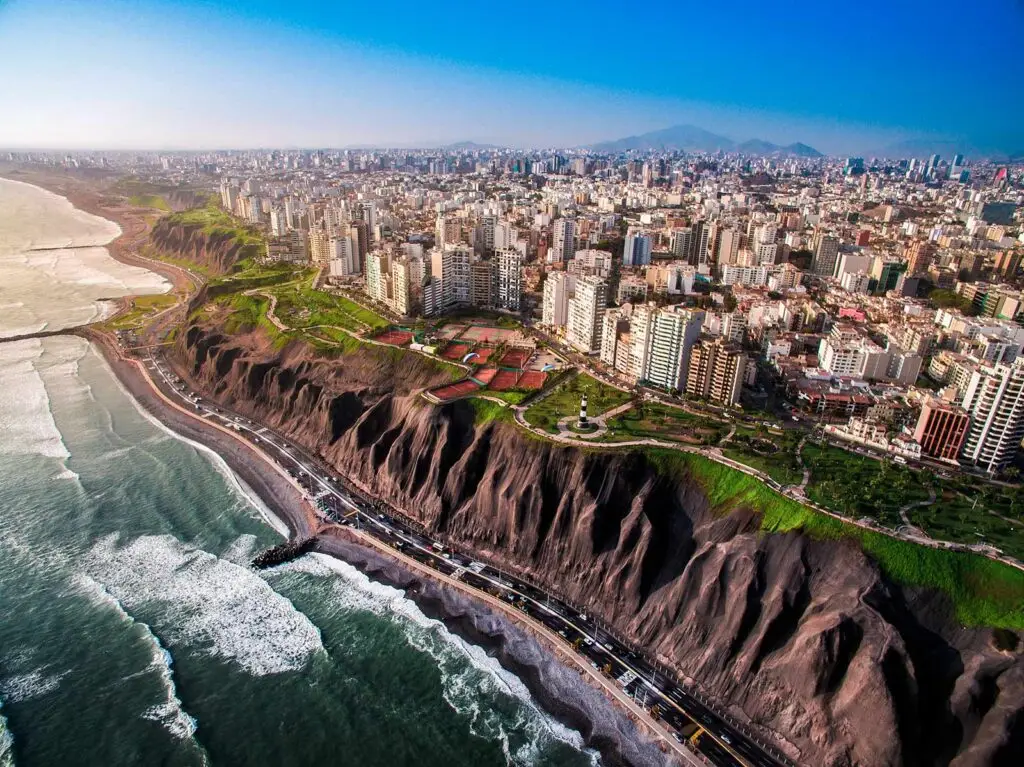
The climate shapes daily habits as well. Winter brings grey skies and heavy humidity, which changes the mood of the city without stopping it. Summer brings sun and fuller beaches along the coast. The Pacific is always there, stretching westward, a constant visual anchor that makes even dense traffic feel slightly less suffocating.
Lima rewards patience.
It is not immediately charming. It does not perform for you. But once you find your neighborhood, your corner restaurant, your walking route along the cliffs, the city begins to make sense. You start to understand the appeal. Not as a postcard. As a place to live.
And that distinction matters.
Entertainment & Nightlife
Lima may not wear reputation as “the party capital,” but as any local will tell you, nights have their own life here.
Barranco to the south of Miraflores is the district that feels most alive after dark. It is bohemian and unpredictable, dotted with bars, music venues, and indie spaces where Peruvians from all walks converge. It is also where the city’s artistic soul gathers, pulling in expats, creatives, and nomads alike.
Miraflores itself has its own nightlife flavor — slightly more polished, with rooftop lounges, cocktail bars, and pedestrian streets like San Ramón Boulevard that become social veins after sundown.
For those looking for live music, small dance clubs, or intimate wine bars, Barranco offers alternatives to the typical pub crawl.
Chasing international beats? They often echo through Lima’s streets. Event producer, Superclub, is the pied piper of electronic music here. Make sure to follow them on Instagram if electronica gets your heart thumping.
Among the nightspots, La Tribu has resiliently weathered many storms, maintaining its reputation as Lima’s elite club, beckoning world-class talents. But Lima’s nightlife is not just about dancing; it’s about discovery.
Entertainment in Lima feels local rather than templated. There are nights out where the highlight isn’t the club itself, but the people you meet along the way.
Nomad Community
If you are looking for a monolithic nomad culture like Medellín’s digital hive or Bali’s coworking ecosystem, Lima won’t immediately overwhelm you.
Instead, you’ll find pockets of connection that grow naturally.
There are coworking spaces throughout the city — from Miraflores to San Isidro — that host a mix of startups, creatives, remote workers, and small teams. WeWork, Selina Cowork, and local hubs coexist with cozy cafes that double as desks during the day. Many come with reliable internet and community events.
Local expat and digital nomad groups online are active, and it’s usually through those channels that meetups, language exchanges, or casual coworking sessions materialize. Connecting with these groups early helps you find people faster than wandering blindly.
The community here is not huge, but it is real: a blend of long-term residents, nomads who stay a season or two, and creatives who chose Lima for its culture and cost of living.
Beaches & Day Trips
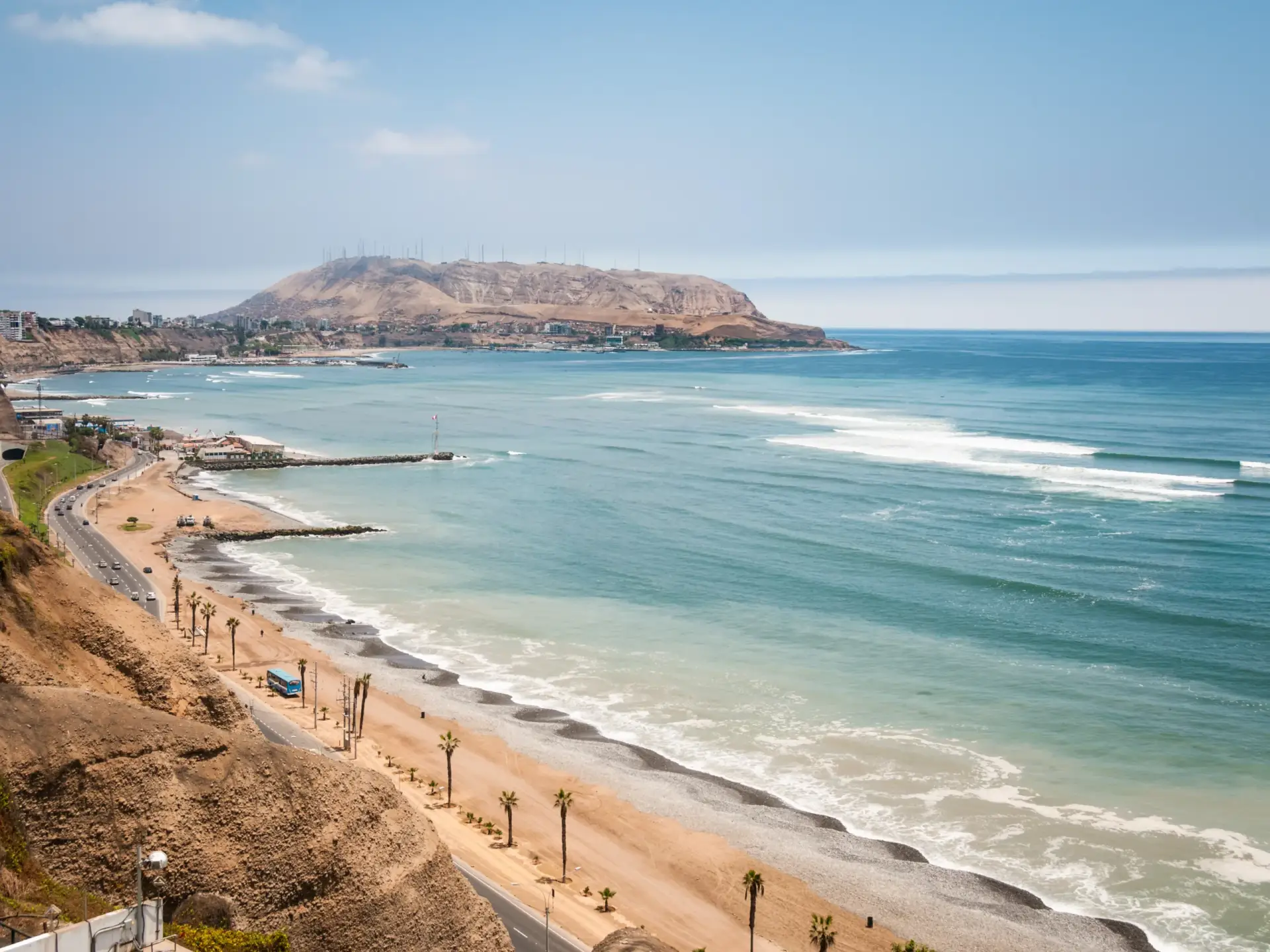
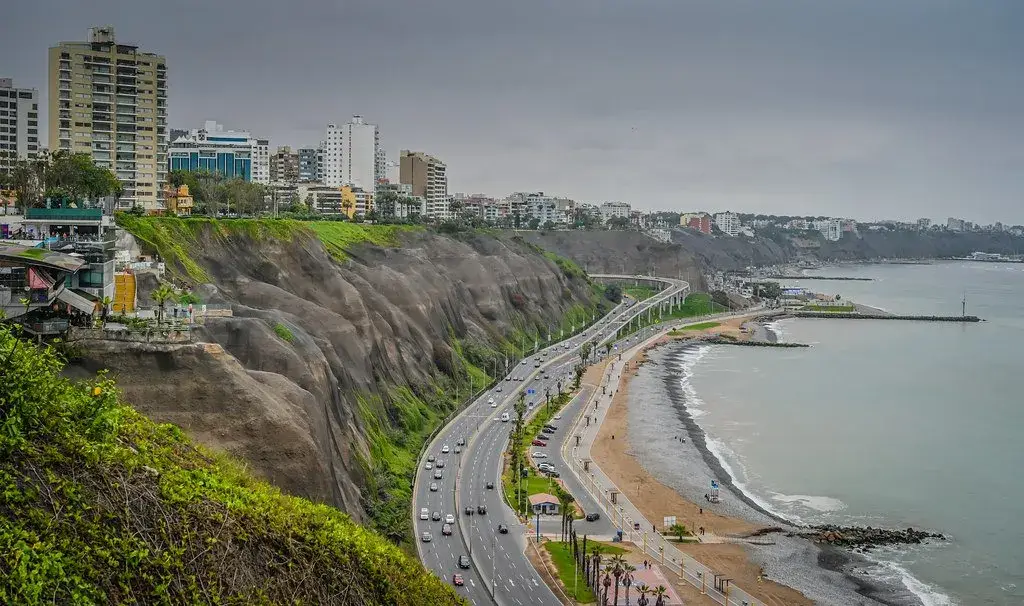
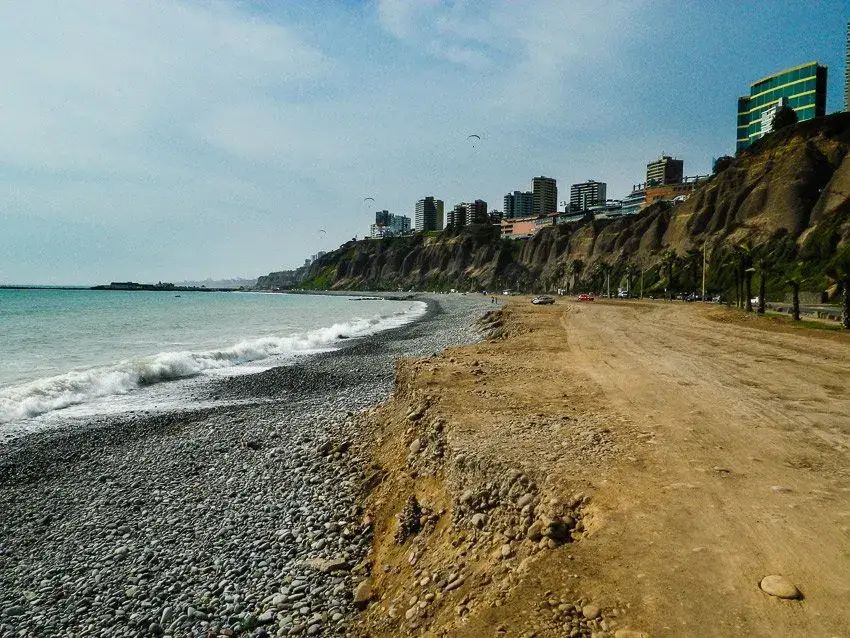
Lima itself has few traditional sandy beaches within the city limits. The primary coastal stretch along Costa Verde includes beaches like La Pampilla and La Herradura, which are beloved by surfers and locals alike despite their pebbly terrain.
Surfers know these spots well. The water isn’t Caribbean warm, but it brings a different beauty — rugged Pacific rollers, cliffs cutting into the sea, and locals fishing at dusk.
The nearest points of interest include:
- Lunahuana – A hidden gem, Lunahuana invites with its serene valleys overflowing with wineries and tales of time-aged traditions.
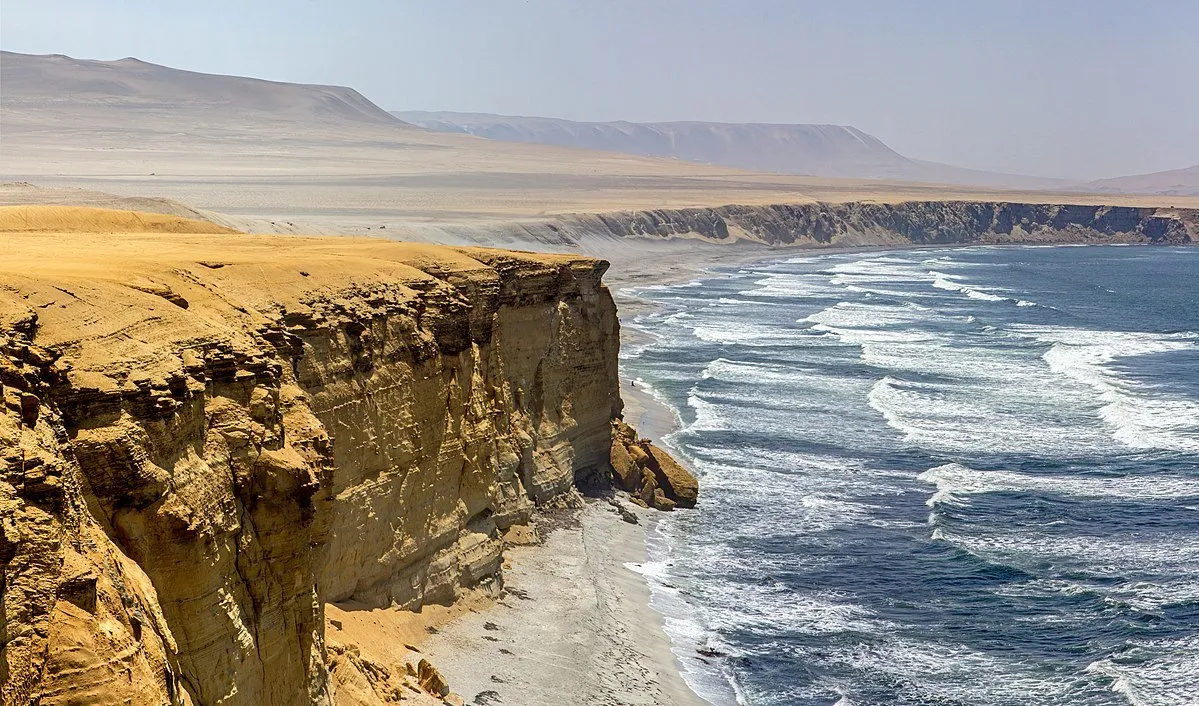
- Paracas national reserve – A coastal marvel, this reserve is where the relentless waves kiss the sun-baked desert, offering a visual spectacle unlike any other. There are lots of tours here where you can discover the wildlife on the coast and enjoy beautiful desert dunes
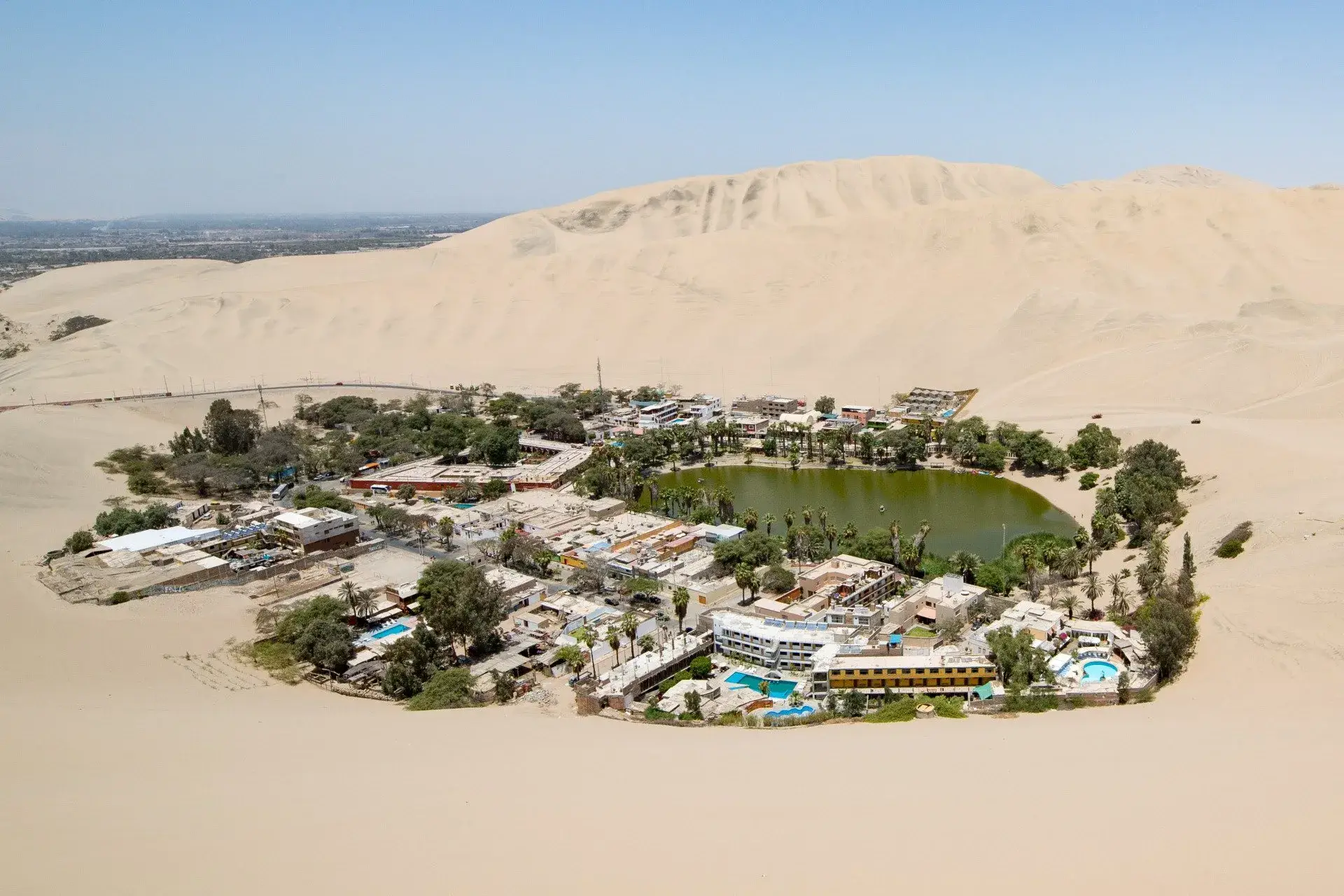
- Ica/Huacachina – Venture into the heart of the desert to discover Huacachina, a small town built around the largest desert oasis in the world, surrounded by towering dunes. Closeby, Ica spins tales of its vast vineyards, telling stories of grapes turned into ambrosial wines. Tacama wineries, in Ica, is actually the first place the Spanish brought grapes to in the Americas!
A bit further out, but worth the trip:
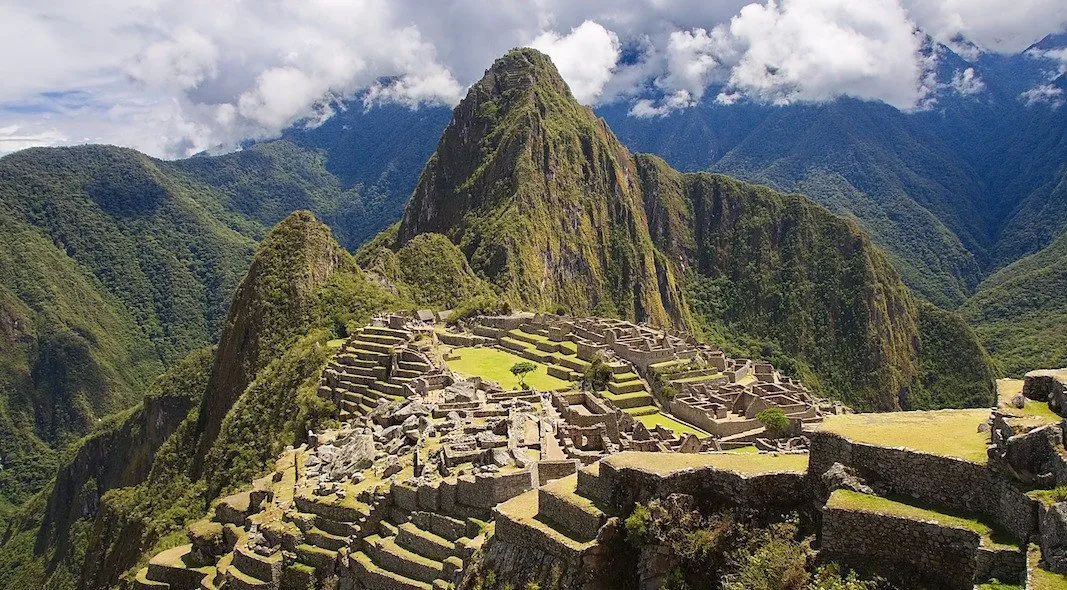
- Cusco – the historical capital of the Inca empire and home of the Machu Picchu ruins, Cusco is a must-see while in Peru. You’ll likely need to fly there from Lima, as the trip can take over 20 hours by car.
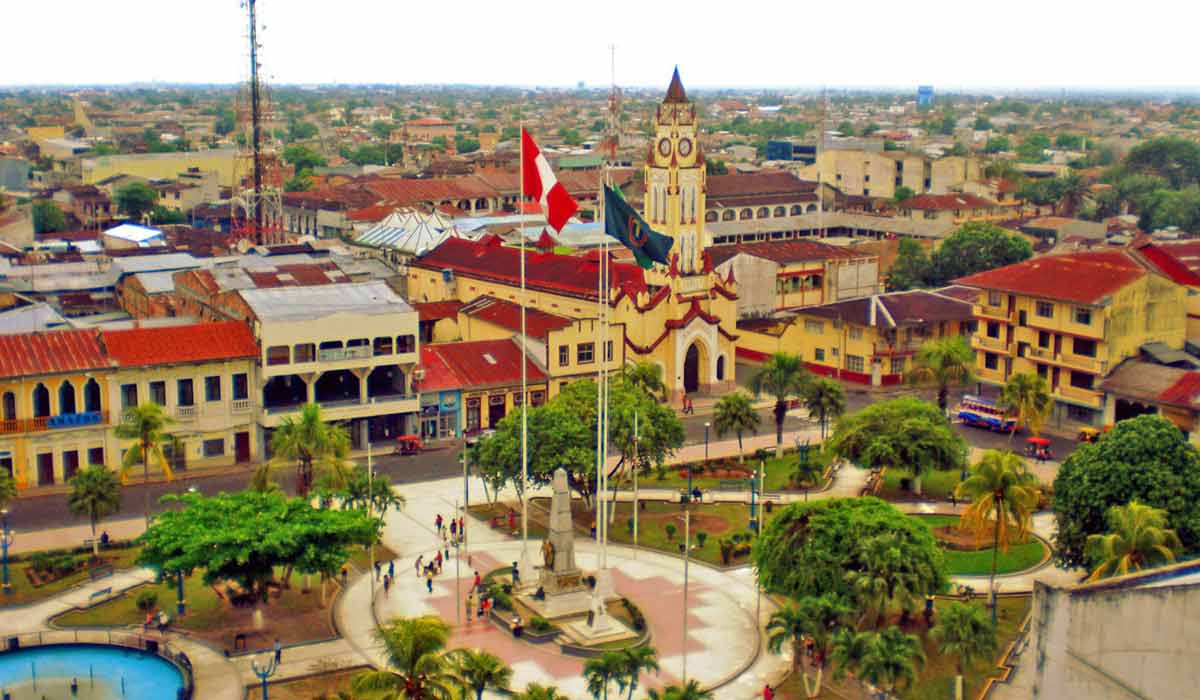
- Iquitos – Peru’s main jungle city, Iquitos is located near the source of the Amazon river and is the largest city in the world not accessible by car, an Amazonian adventure where roads give way to rivers.
These are prime escapes when city life feels dense and you need wind in your hair or sand beneath your feet.
Sights to see
Lima is layered.
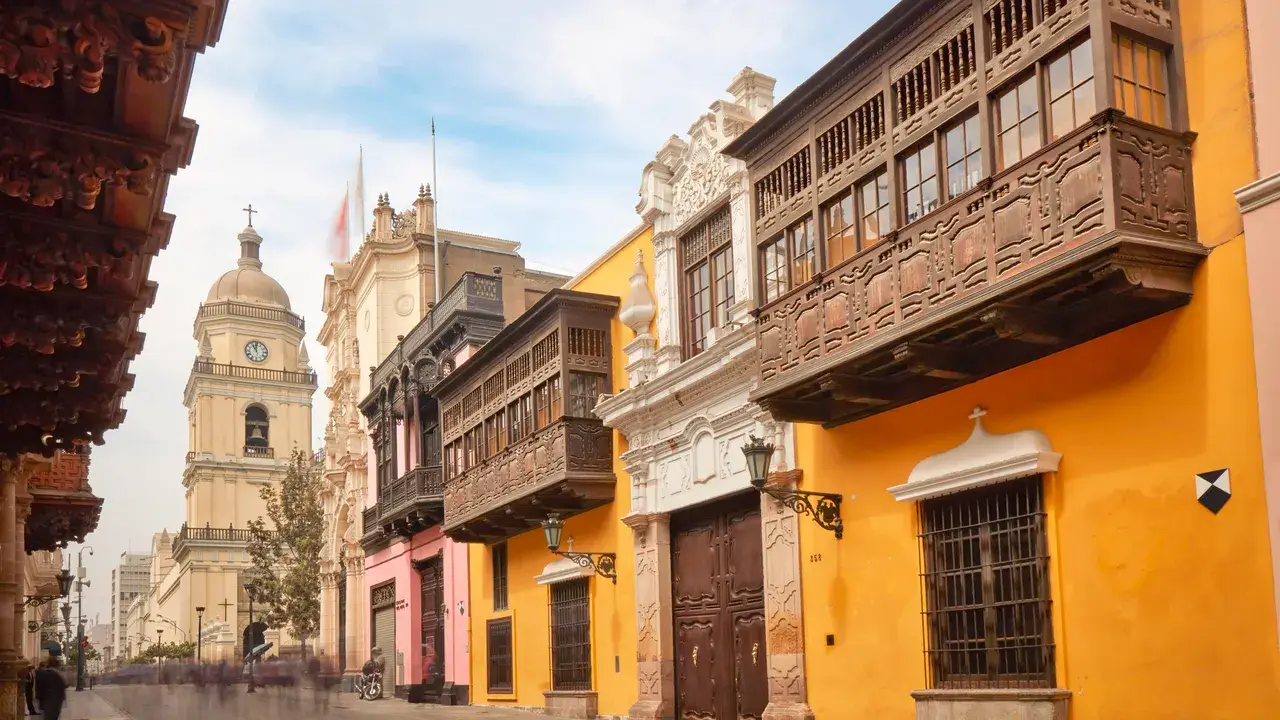
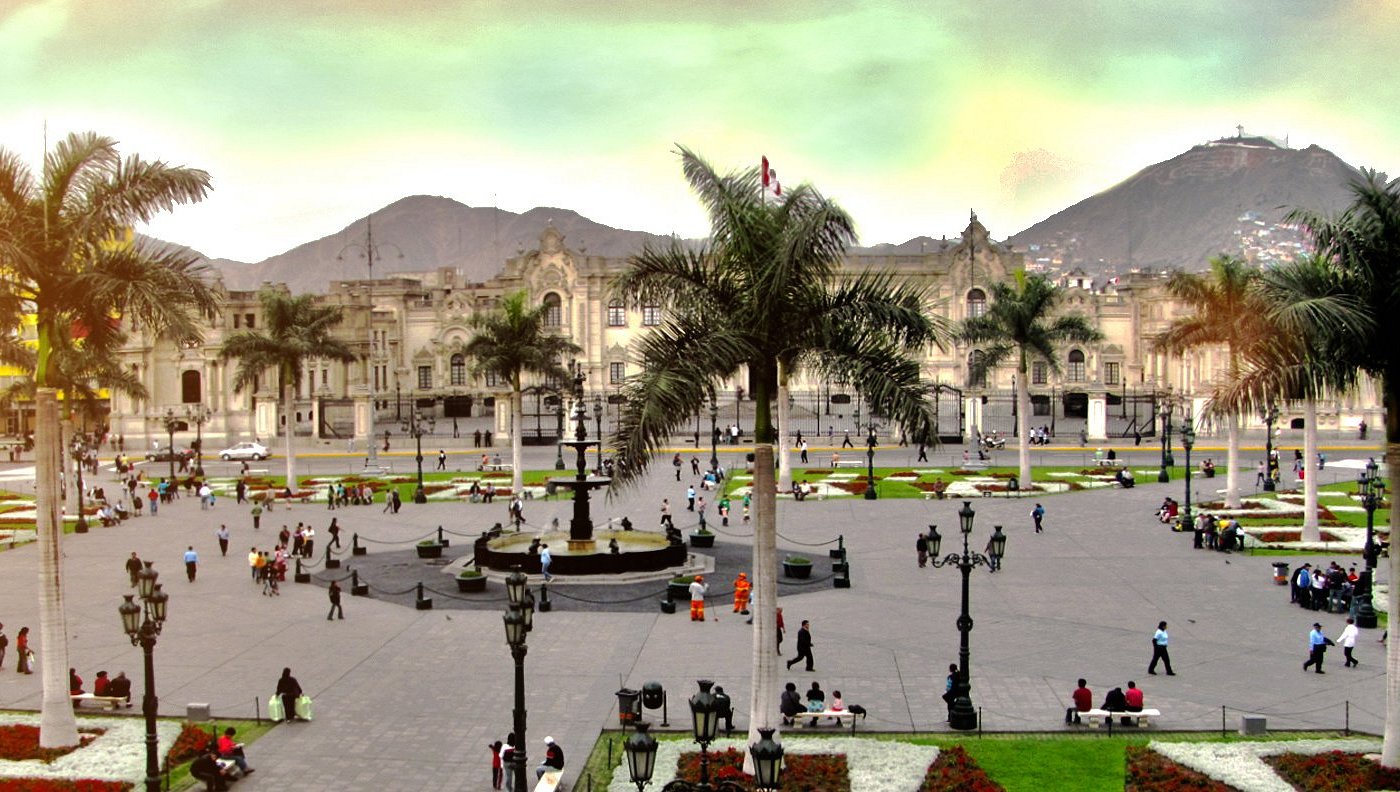
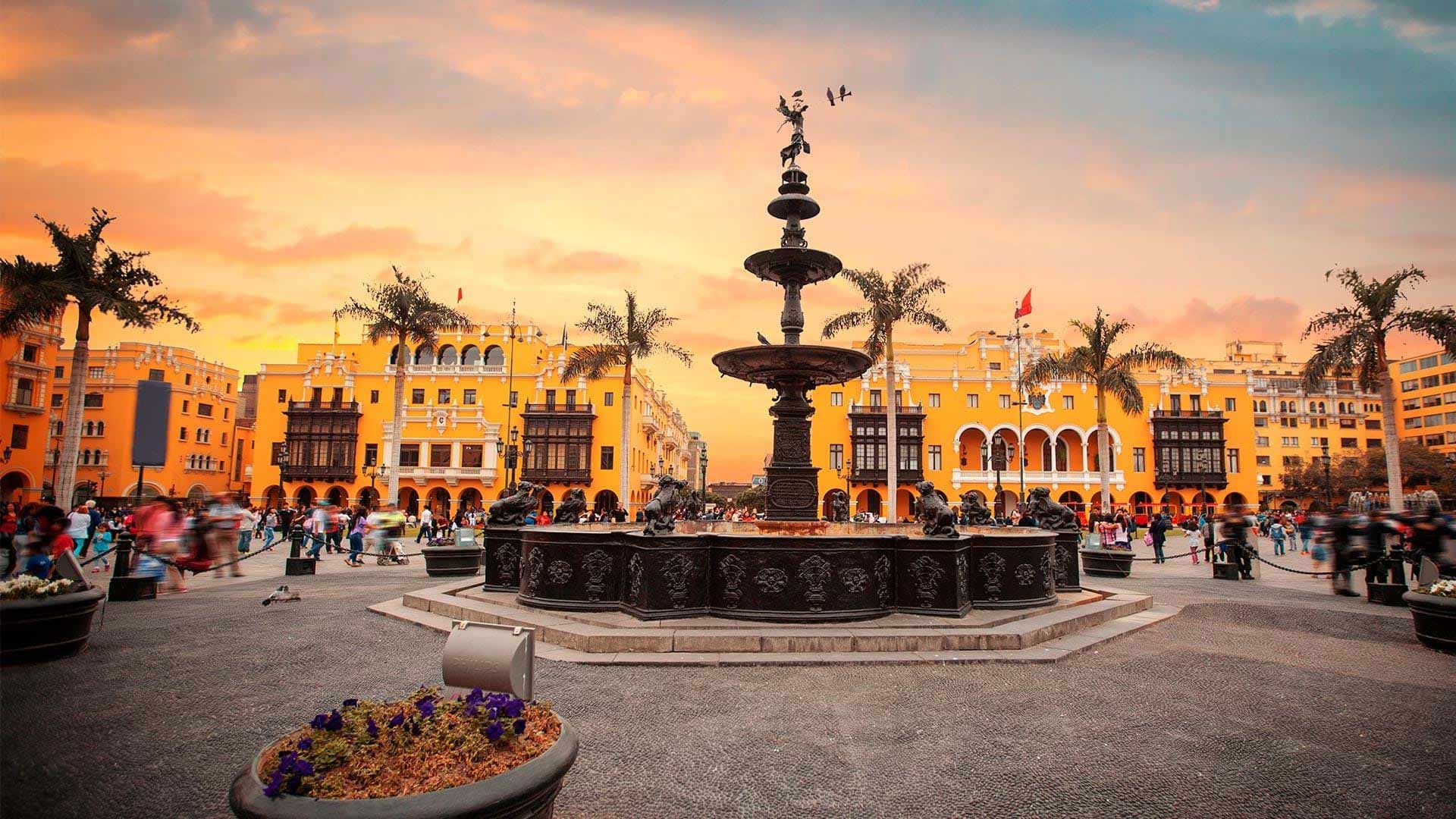
It was once Ciudad de los Reyes, the seat of Spanish colonial power, and that layer still lives in the historic centre — the Plaza de Armas, cathedrals, and colonial palaces that stand shoulder to shoulder with modern shops and traffic.
Move southward and Miraflores opens ocean views and cliffside parks. Kennedy Park is a hive of activity during weekends, with street performers, artisan stalls, and locals walking dogs or sipping late afternoon coffee.
Barranco itself is worth half a day of wandering: murals, hidden galleries, boutique shops, and outdoor murals that feel more expressive than curated.
For a deep dive into pre-Columbian culture, the Larco Museum displays an astonishing array of ancient artifacts. Other archaeological sites scattered around the city tell even older stories of the people who lived here long before Spanish arrival.
Lima’s history isn’t locked behind velvet ropes. You can walk into it.
Transport
Getting around in Lima is part patience, part strategy.
Taxis and ride-hailing apps like Uber, Cabify, and Didi are widely used and affordable. Most rides within the city centre will cost less than what you might expect in North America.
Public options include the Metropolitano bus system and the Metro, both offering cheap transport across key corridors, though they can be crowded during rush hours.
Walking is surprisingly pleasant in districts like Miraflores, Barranco, and San Isidro. But once you stray from the core, distances stretch and traffic becomes a real factor. The city was not designed with pedestrian ease in mind, but neither was any capital of 10 million.
For nomads who work erratically hours, transport can become part of the rhythm — early rideshares, midday walks by the coast, evening buses home.
Safety
Lima is large and complex. In some areas, you walk with ease. In others, you stay alert.
Miraflores, Barranco, and San Isidro are generally considered safe for daytime and casual evening strolls. Petty theft can happen, especially in crowded public transport or busy plazas, so basic awareness is wise.
Neighborhoods further from the centre can feel less secure after dark, and locals will usually tell you which areas to avoid. As with any major city, common sense is your best friend.
Overall, many expats and nomads credit Lima with a sense of practical safety: nothing feels constantly threatening, but nothing feels naïve either. Street smarts will take you far.
Final Thoughts: Living in Lima
Lima is not the city you fall in love with instantly. It is the city you discover gradually.
It does not charm you on arrival. It grows on you through its food, its rhythms, its mix of old and new, its stubborn practicality.
If you want beaches like the Caribbean, you will be disappointed. If you want a nomad drinking game of coworking after parties, Lima will feel too steady. What it gives you instead is texture: history you can touch, markets you can wander, food that resets your standards, and a base that feels lived in rather than constructed for visitors.
This is not a stopover.
This is a commute.
This is a city.
And if you let it, it becomes home.