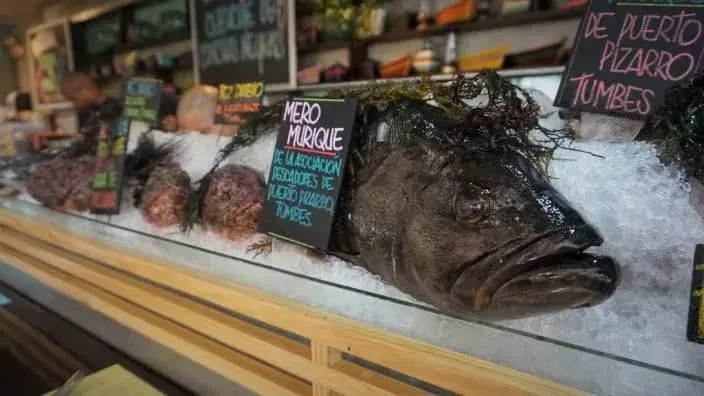
As digital nomads continue to land in Lima with laptops and loose plans, most of them discover the same thing within the first week.
The food is ridiculous.
Lima did not accidentally become the gastronomic capital of South America. It earned that title slowly, dish by dish, decade by decade. This is not hype built for tourists. This is a city that takes eating seriously.
Geography on a Plate
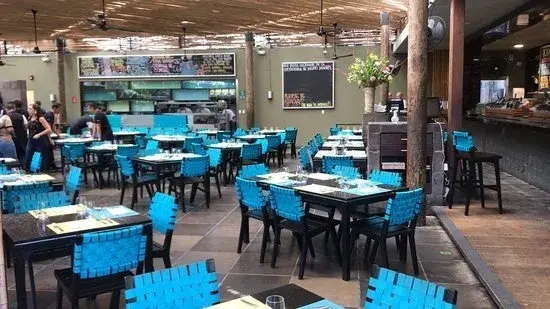
From street carts steaming on side streets to white-tablecloth temples of gastronomy, Lima feeds everyone. You can eat brilliantly on ten dollars. You can also spend three figures on a tasting menu that feels like a curated anthropology lesson. The range is part of the magic.
The reason it works is history. Indigenous Inca foundations. Spanish colonial influence. African contributions. Chinese migration that reshaped stir-fry culture. Japanese precision that elevated seafood. Lima did not blend these influences politely. It fused them. What came out is something uniquely Peruvian and completely addictive.
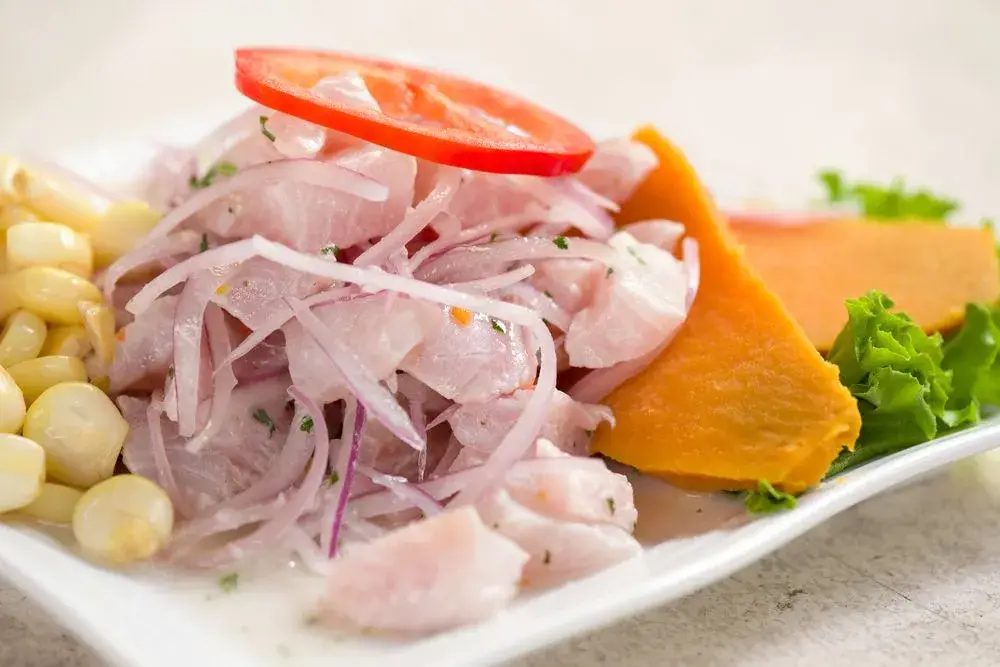
Start with ceviche.
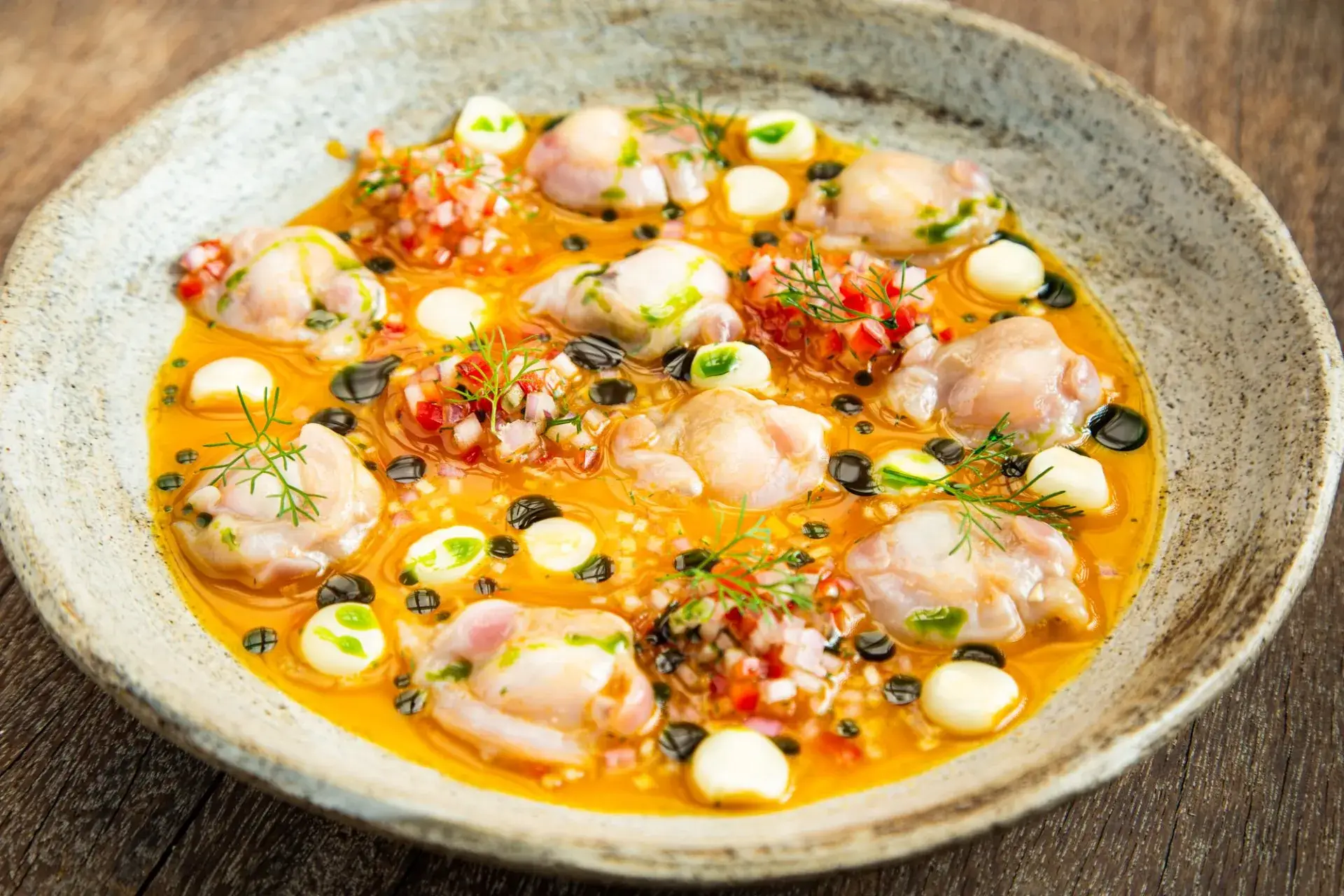
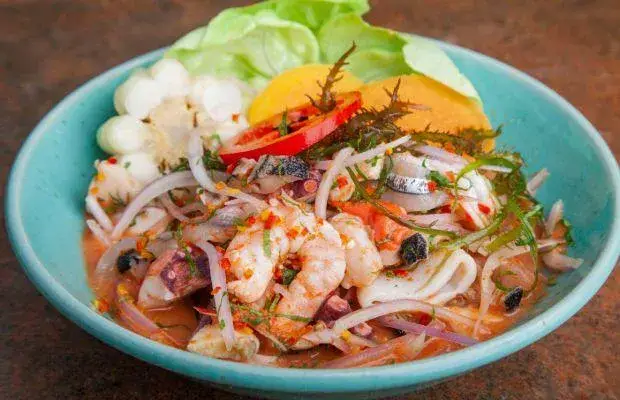
It is Peru’s national dish and it deserves the hype. Fresh fish, cured in sharp citrus, cut with red onion, served alongside corn and sweet potato. Simple on paper. Perfect in execution. Lima’s position on the Pacific means the seafood is fresh in a way that changes your expectations permanently. You are not eating fish. You are eating geography.
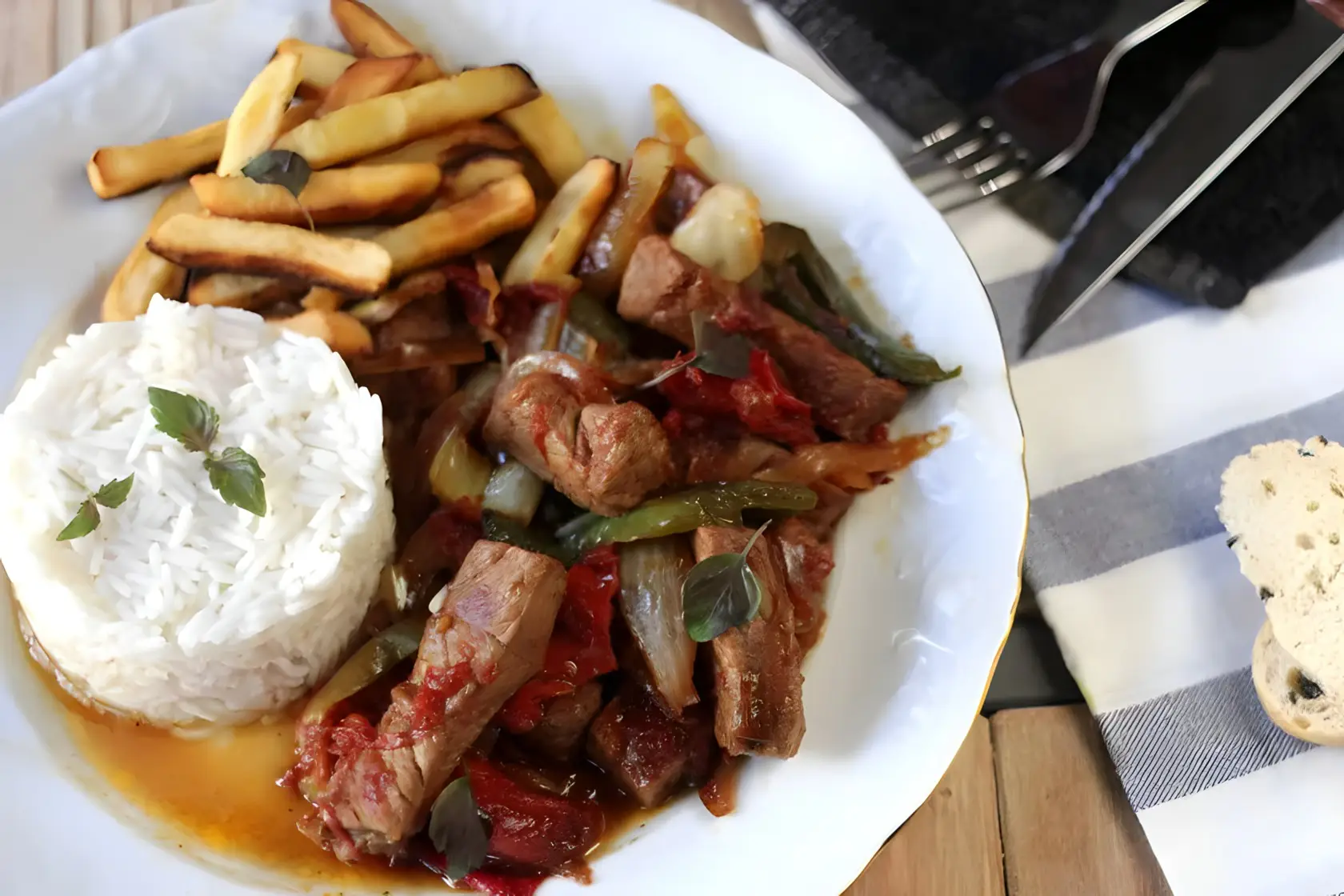
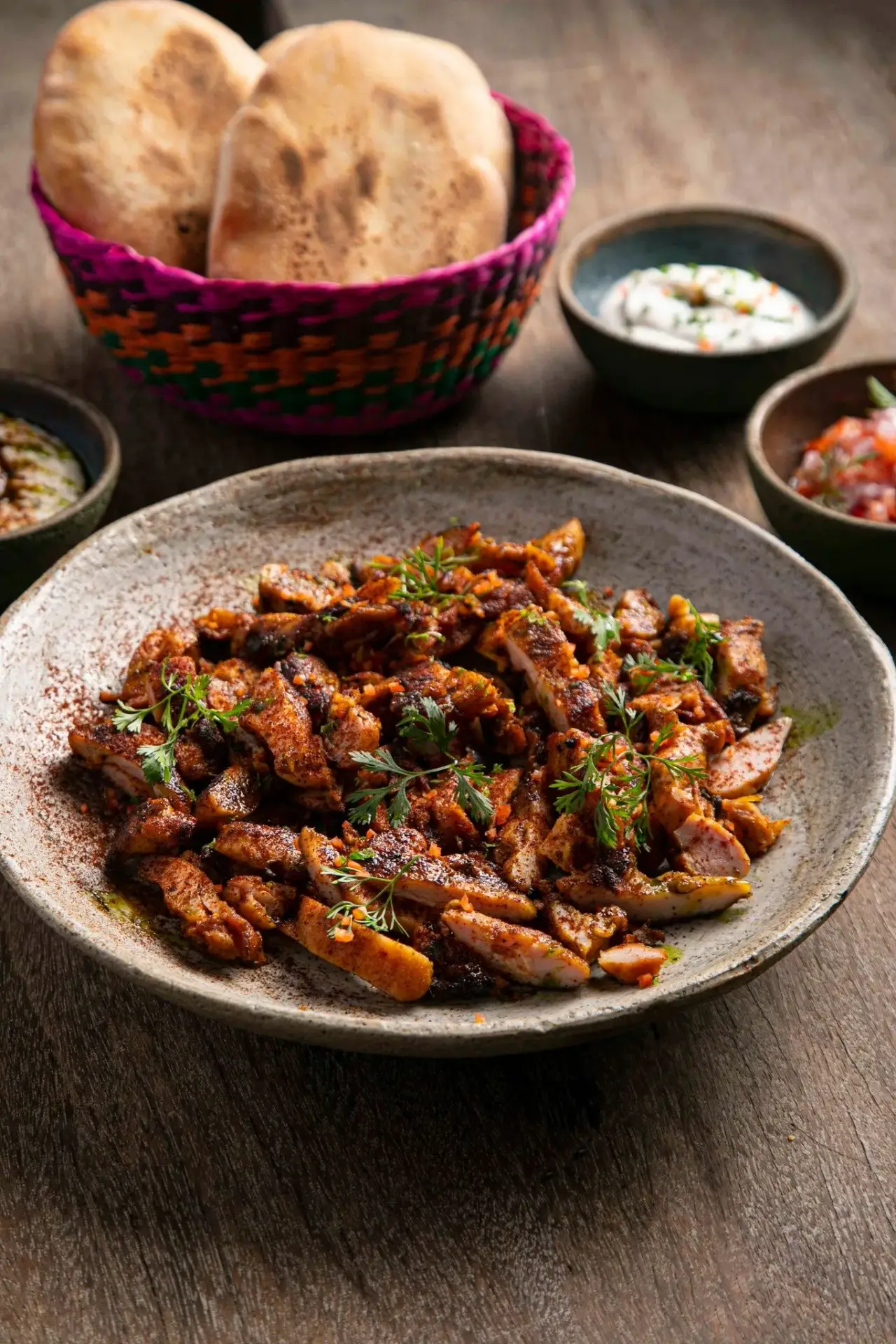
If seafood is not your thing, order Lomo Saltado. It is comfort disguised as fusion. Marinated strips of beef tossed with onions, tomatoes, soy sauce, and served with both rice and fries because Peru does not believe in choosing one carb. The Chinese influence is obvious. The Peruvian personality is louder. It is messy, filling, and exactly what you want after a long day navigating Lima traffic.
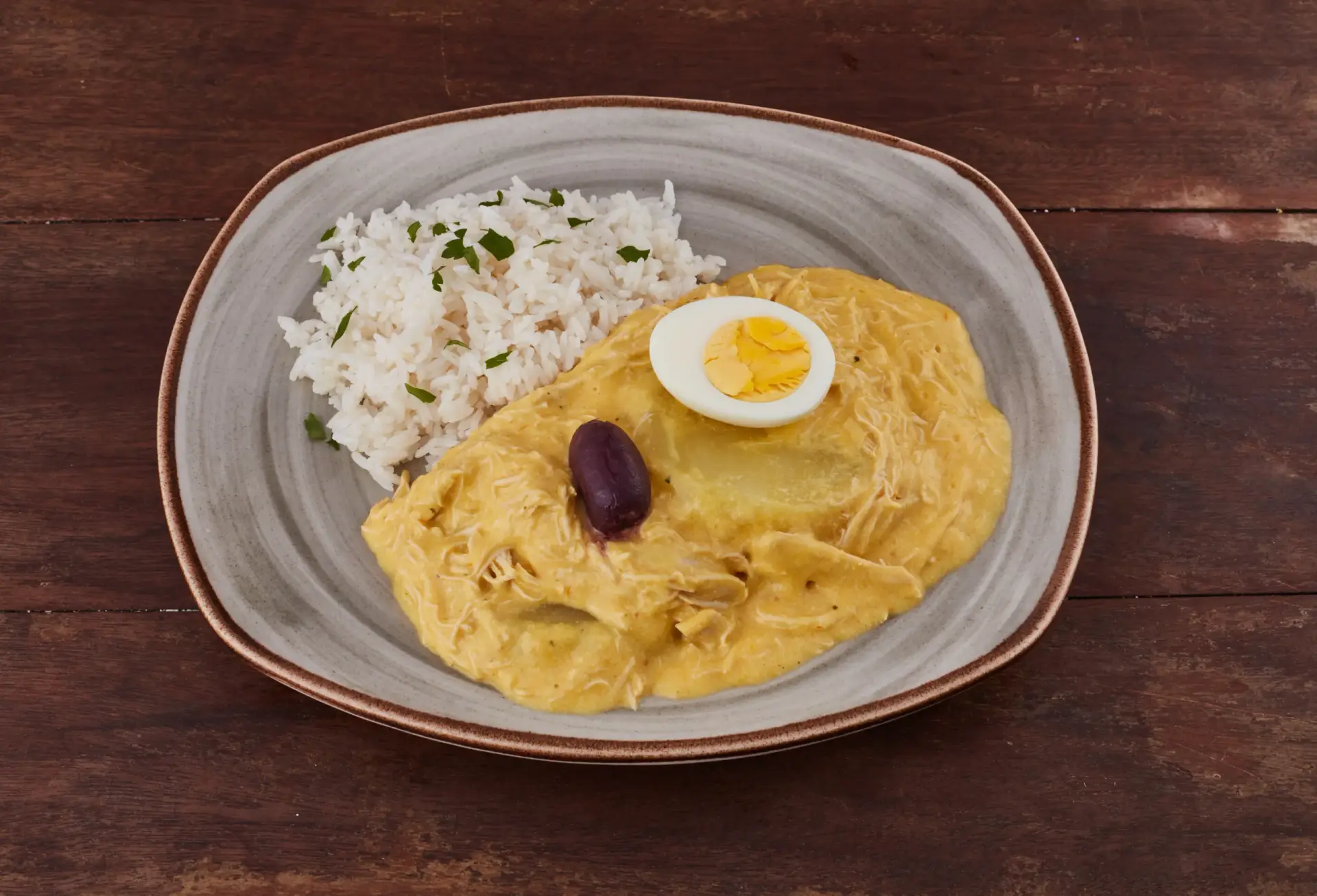
Then there is Aji de Gallina. Creamy, rich, unapologetically comforting. Shredded chicken folded into a velvety sauce built from aji amarillo, evaporated milk, bread soaked in broth, garlic, and onion. It is served with rice and potatoes, finished with olives and hard-boiled eggs. It sounds excessive. It is. And it works. This is the kind of dish that feels like it came from someone’s grandmother, even if you are eating it in a modern restaurant.
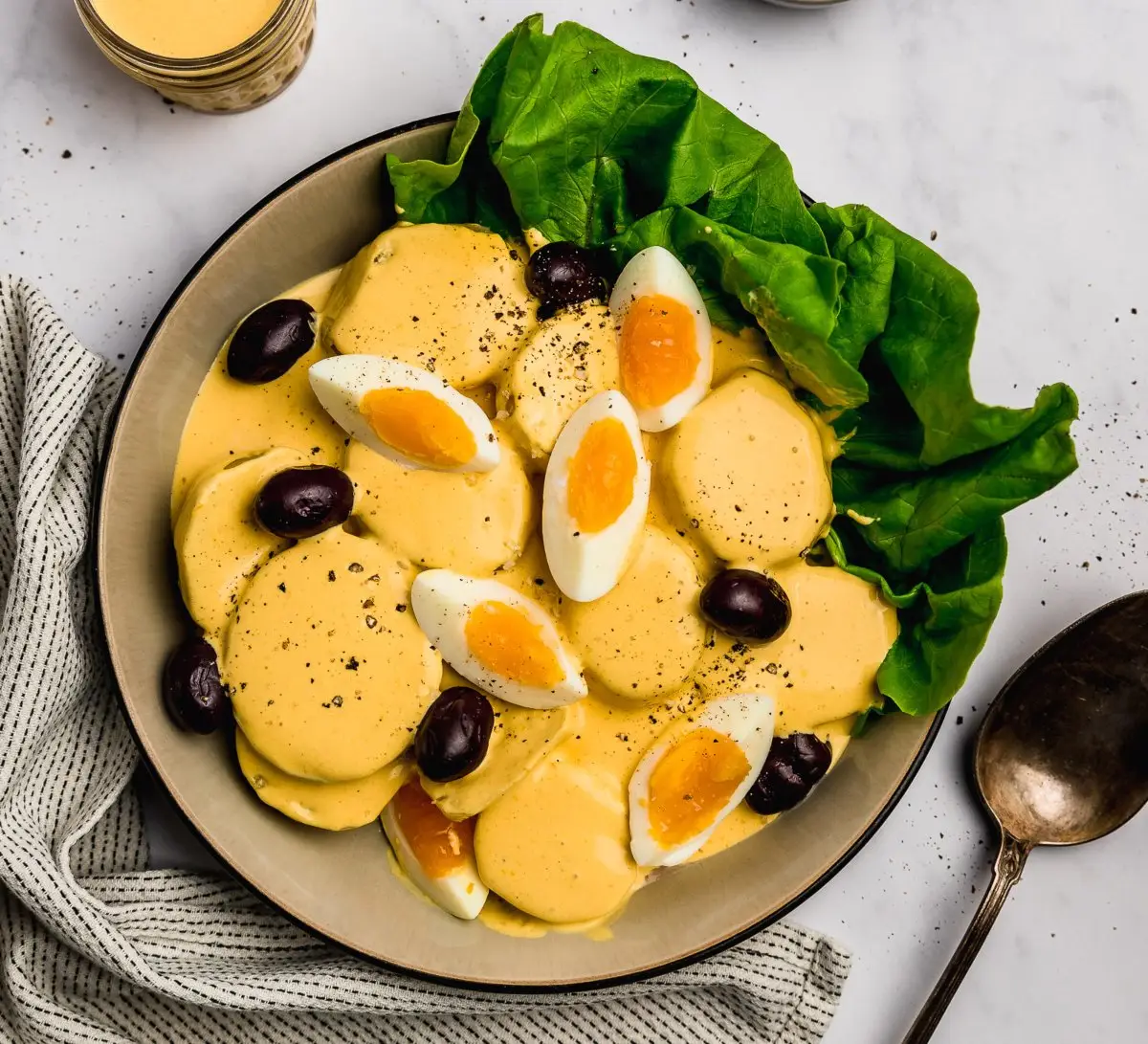
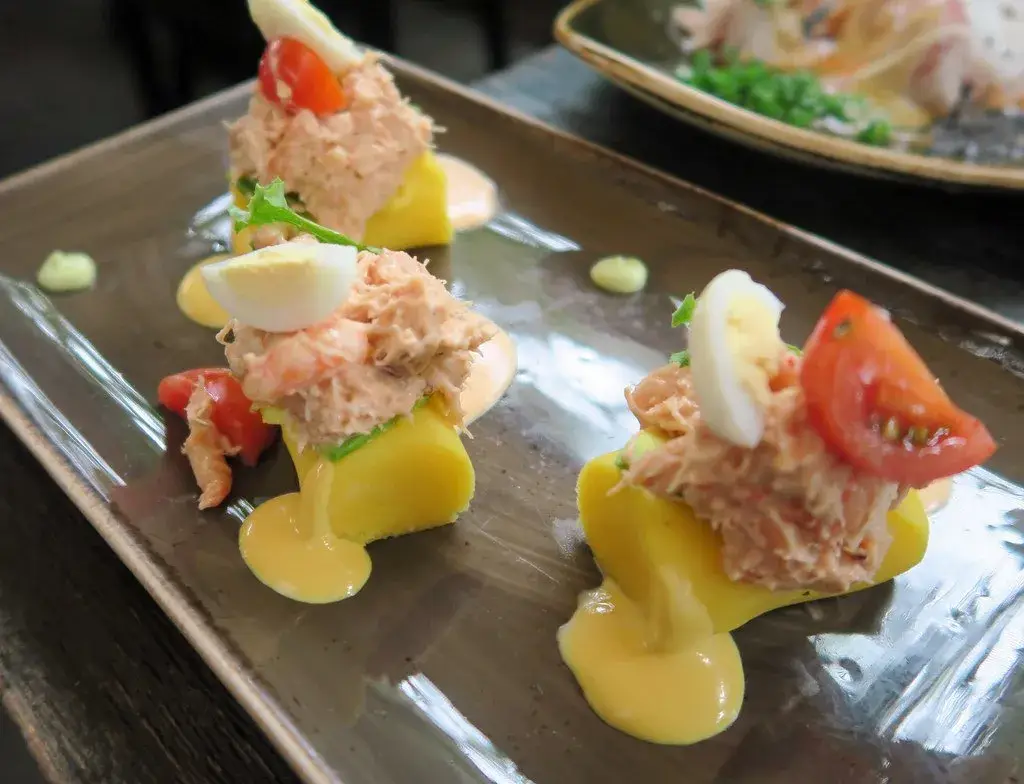
Papas a la Huancaina is another classic that shows Lima’s personality. Boiled potatoes drowned in a thick yellow sauce made from aji amarillo, queso fresco, and huacatay. Creamy, slightly spicy, deeply satisfying. It is technically an appetizer, but it eats like something you would happily build a meal around.
Local favorites
Here are some of my recommendations:
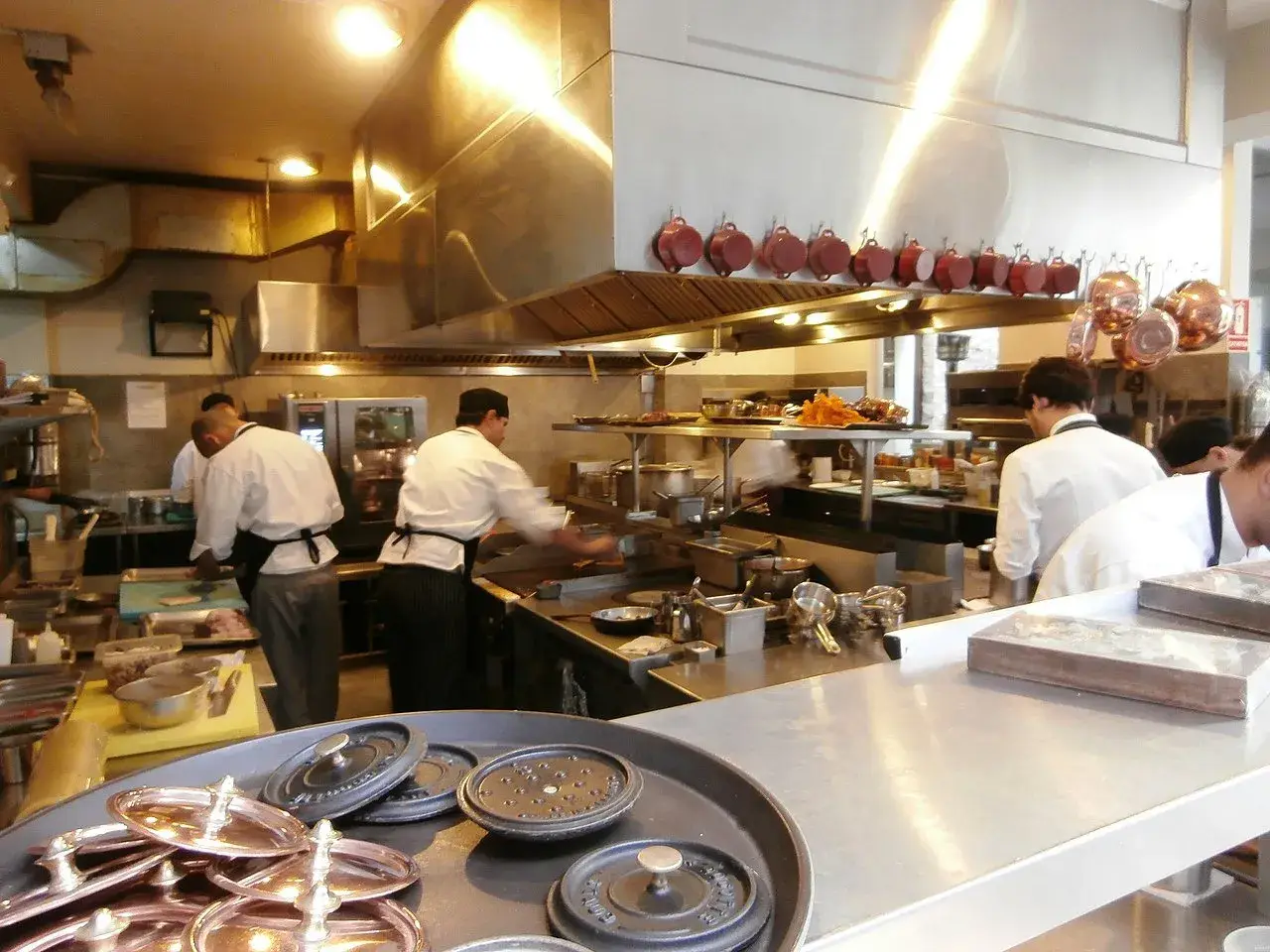
Central
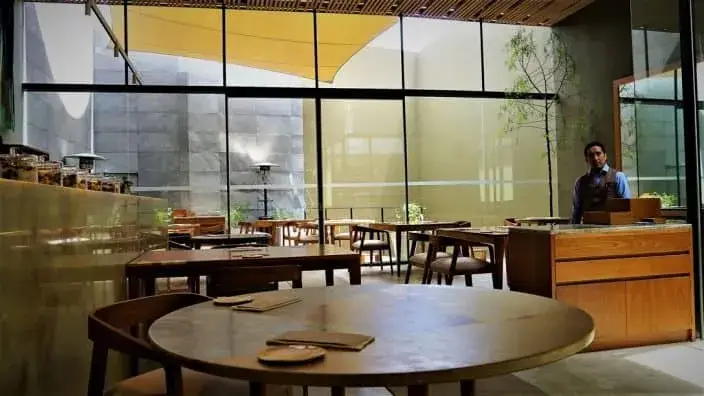
A repeat winner of Latin America’s best restaurant award, Central is a heavy hitter. Michelin starred chef Virgilio Martinez runs this Miraflores staple.
Don’t expect a cheap lunch here by Peruvian standards, but the quality is worth the price tag.
Astrid y Gaston
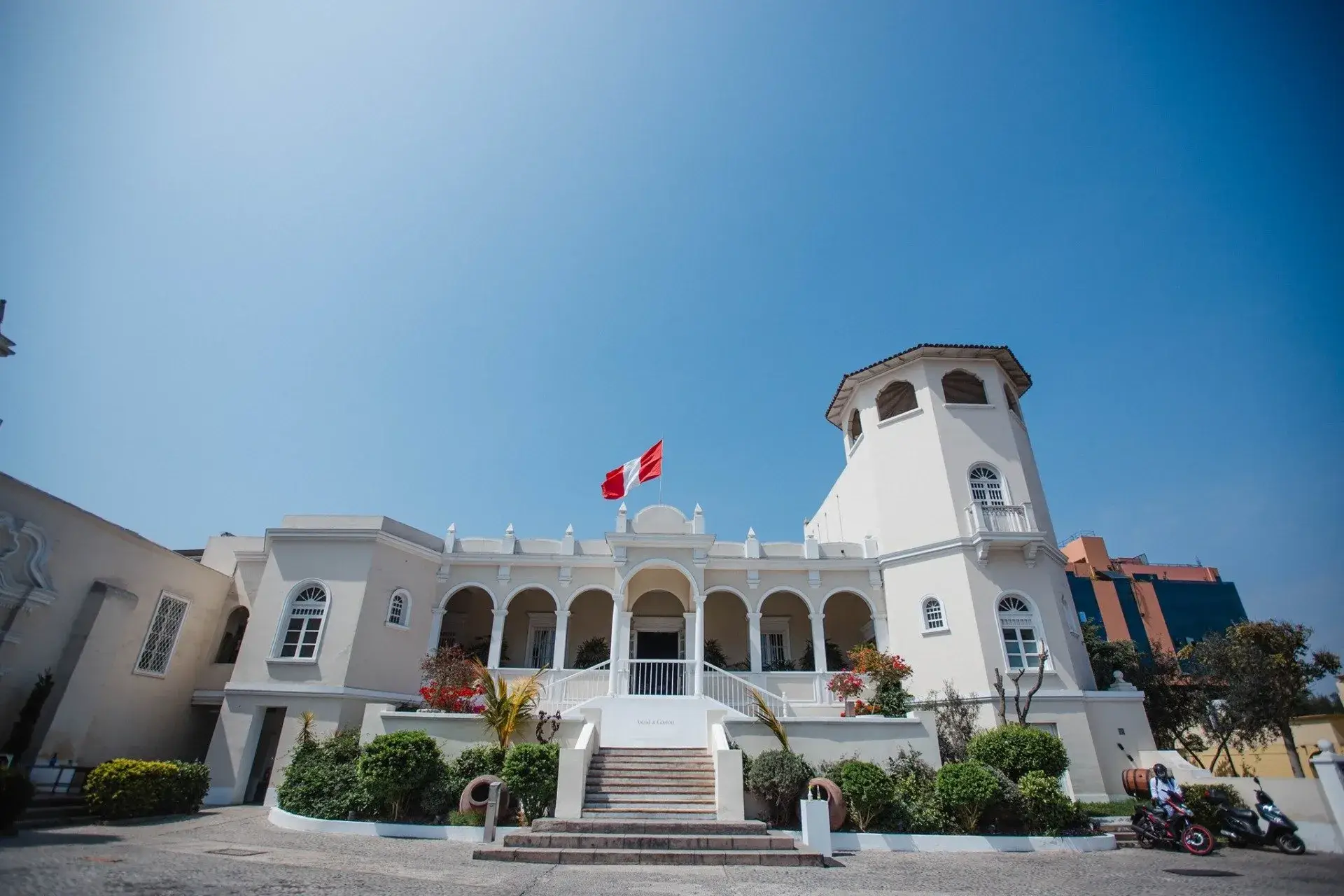
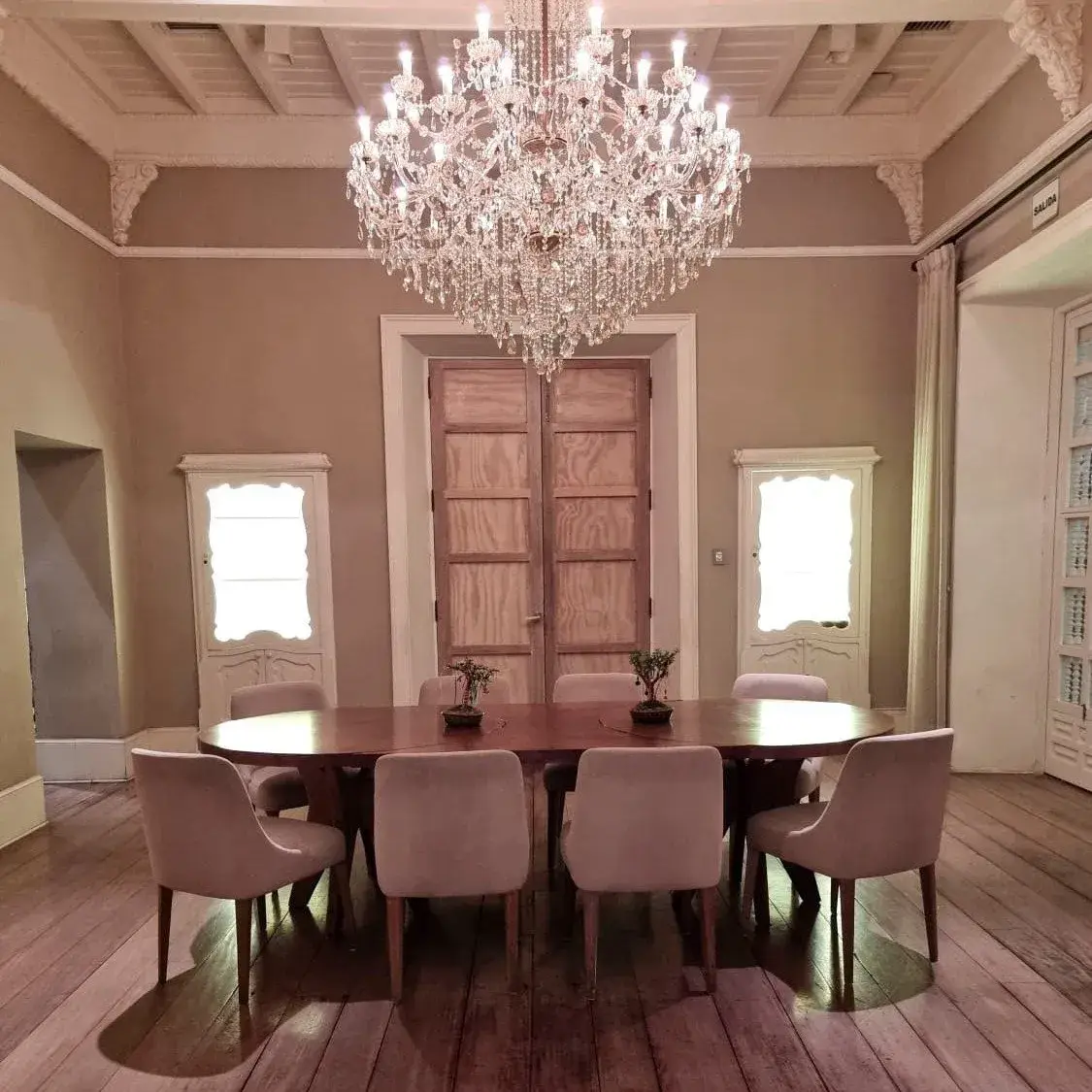
Housed within a historic San Isidro hacienda, Astrid y Gaston is widely regarded as one of the best restaurants in Lima, and provides diners with a gastronomic experience in unforgettable meals of around 30 plates.
Kjolle
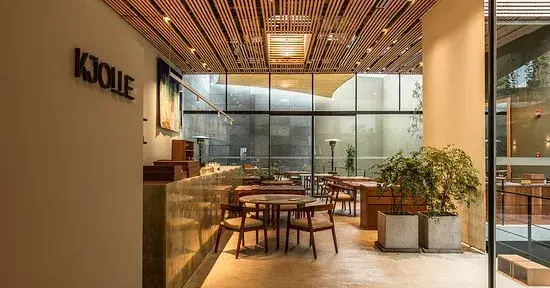
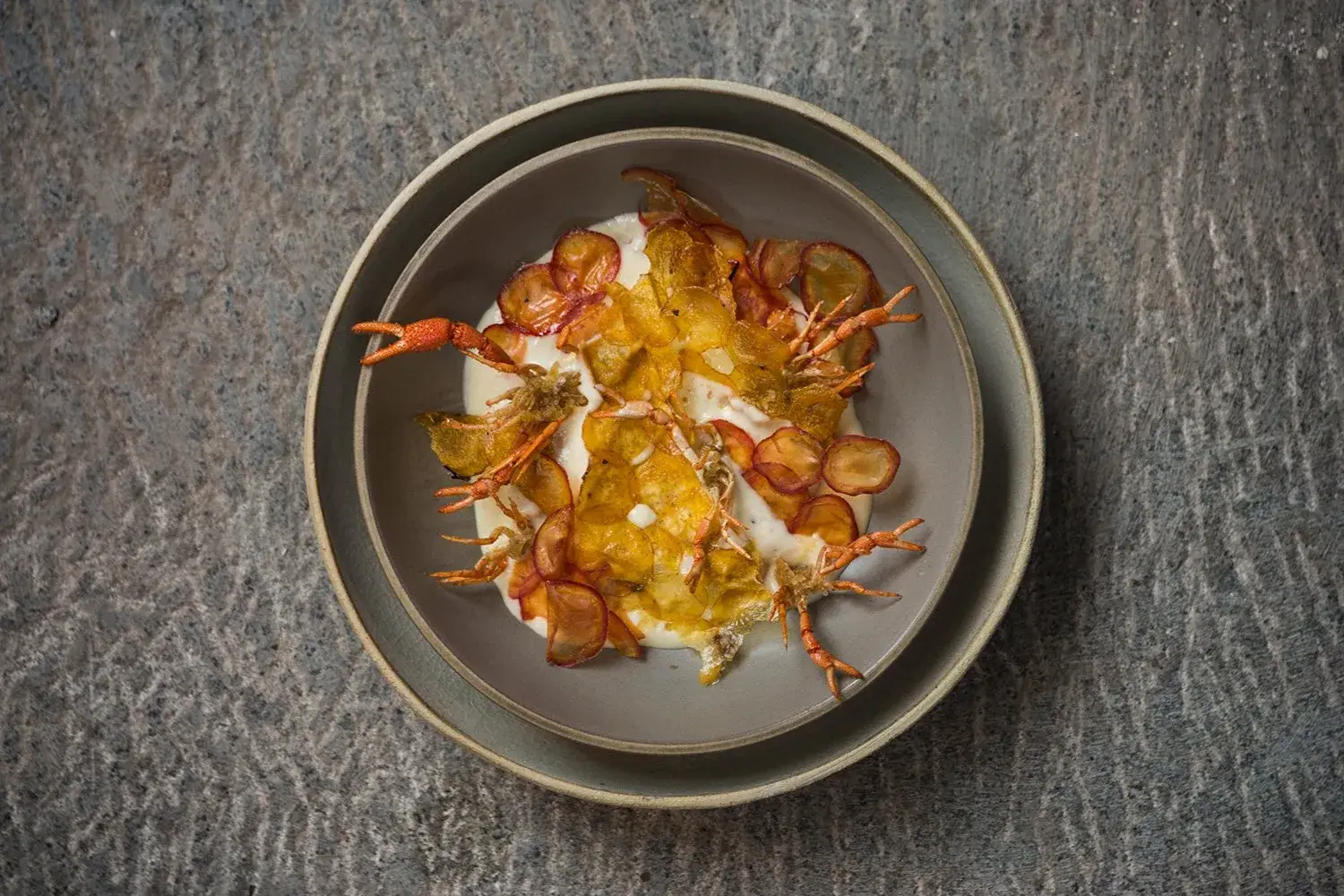
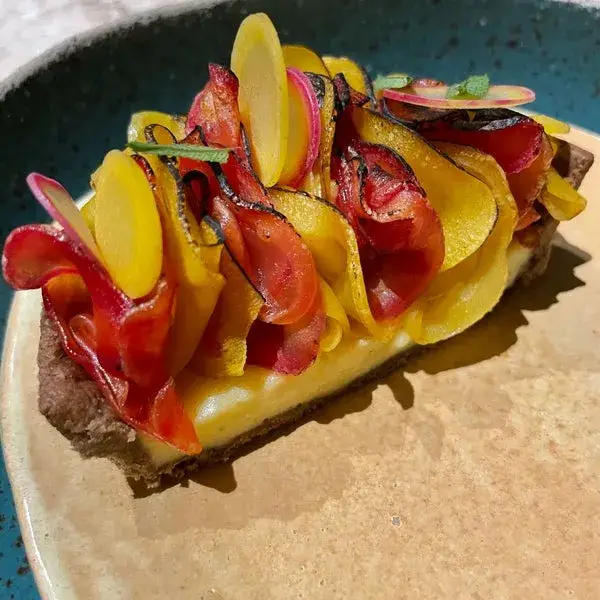
Probably my favorite restaurant in Lima, Kjolle is the sister establishment to previous entry Central. Ran by, Pía León, who was named Latin America’s best female chef in recent years, this beautiful restaurant has a bit more of a laid back vibe, while still offering amazing food.
Cheap thrills and big league dining
While living in Lima, I ate out every single day. Breakfast, lunch, dinner. I barely cooked. My monthly food budget sat somewhere between $400 and $600 doing this, eating exclusively at restaurants. And I was not trying to be frugal.
If you cook at home, that number drops dramatically. Shopping locally, you could keep groceries between $150 and $250 per month without much effort. Produce is affordable. Local staples are cheap. Imported goods are where you start feeling it.
For vegans, Peru can be tricky. A lot of traditional dishes lean heavily on meat or seafood. That said, in districts like Miraflores and Barranco, you will find plant-based options. It just requires a little more intentional searching.
A typical meal at a local spot runs about $5 to $10. That alone makes Lima dangerous in the best way. You can eat well constantly without thinking twice.
But Lima also plays at the highest level.
For years, it was the only city in the world with two restaurants ranked in the global top ten. That is not marketing fluff. That is culinary dominance.
If you want to see what that looks like, book a table at Central, Maido, or Astrid y Gastón. These places are not just restaurants. They are experiences. They take indigenous ingredients, historical influences, and modern technique, and turn them into something that feels both deeply Peruvian and globally relevant.
Lima does not ask you to admire its food.
It assumes you will.
And after a few weeks here, you probably will too.