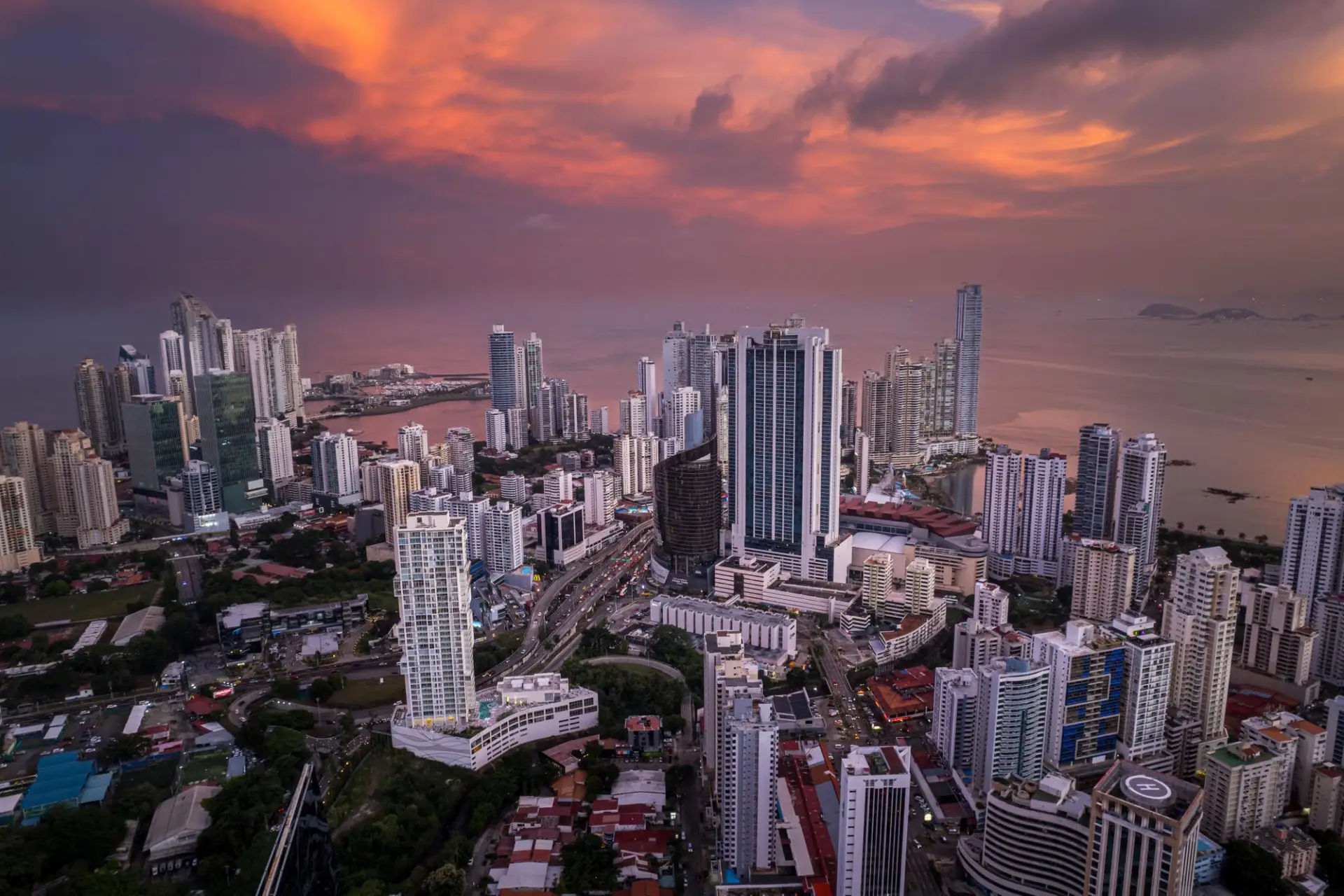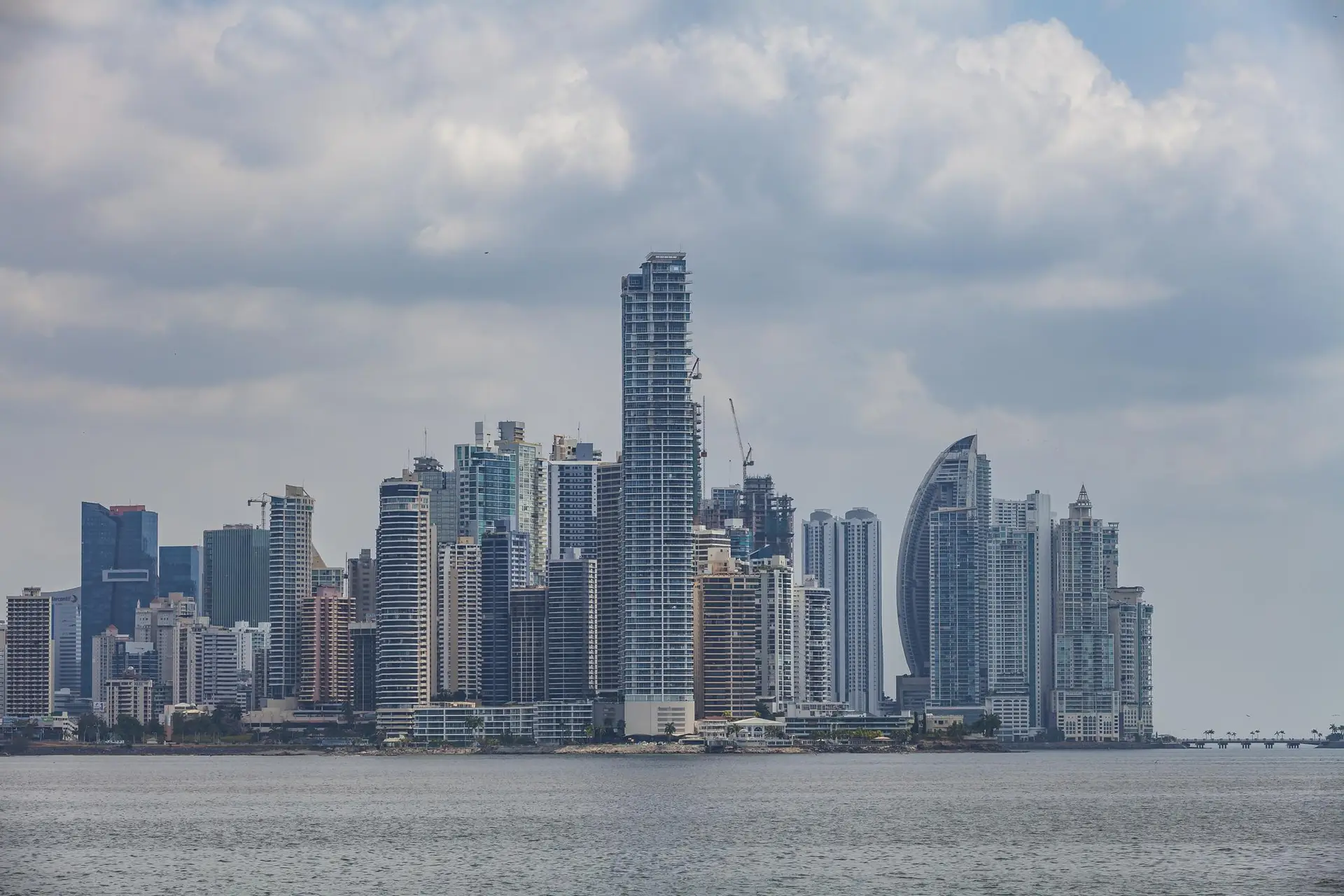
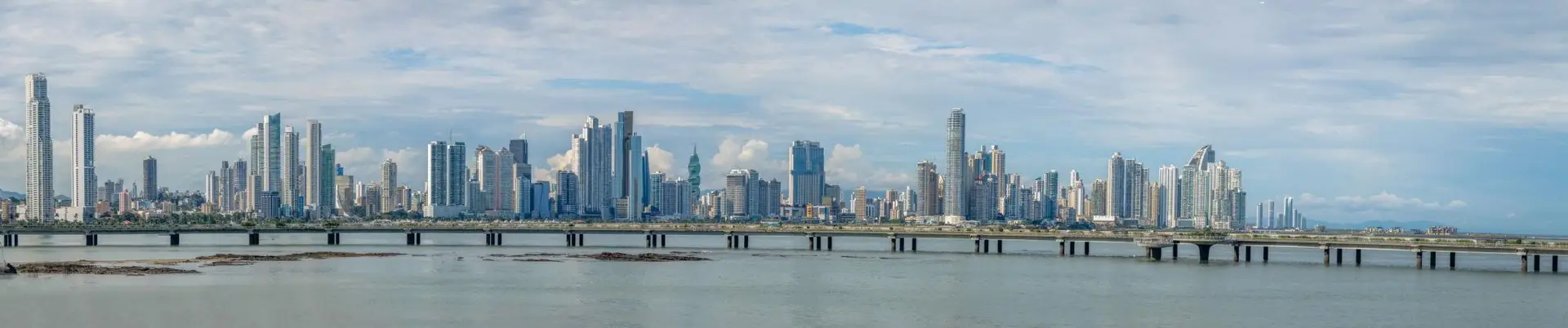
Panama City is one of the most modern cities in Latin America. Glass skyscrapers rise along the Pacific coast, massive shopping malls fill entire city blocks, and the skyline would not look out of place in Miami or Singapore.
For digital nomads, the city offers something slightly different from the usual Latin American destinations. Panama City feels more like a global business hub than a backpacker hotspot.
Banks, multinational companies, and logistics firms have made Panama a financial center for the region. The result is a city with strong infrastructure, modern apartments, reliable internet, and an international population.
It is not the cheapest city in the region, but it offers a level of comfort and convenience that many travelers appreciate.
In this guide, we’ll break down costs for the following main categories:
Make sure to also check out or other CITY guides here:
Lifestyle
Life in Panama City revolves around modern urban living.
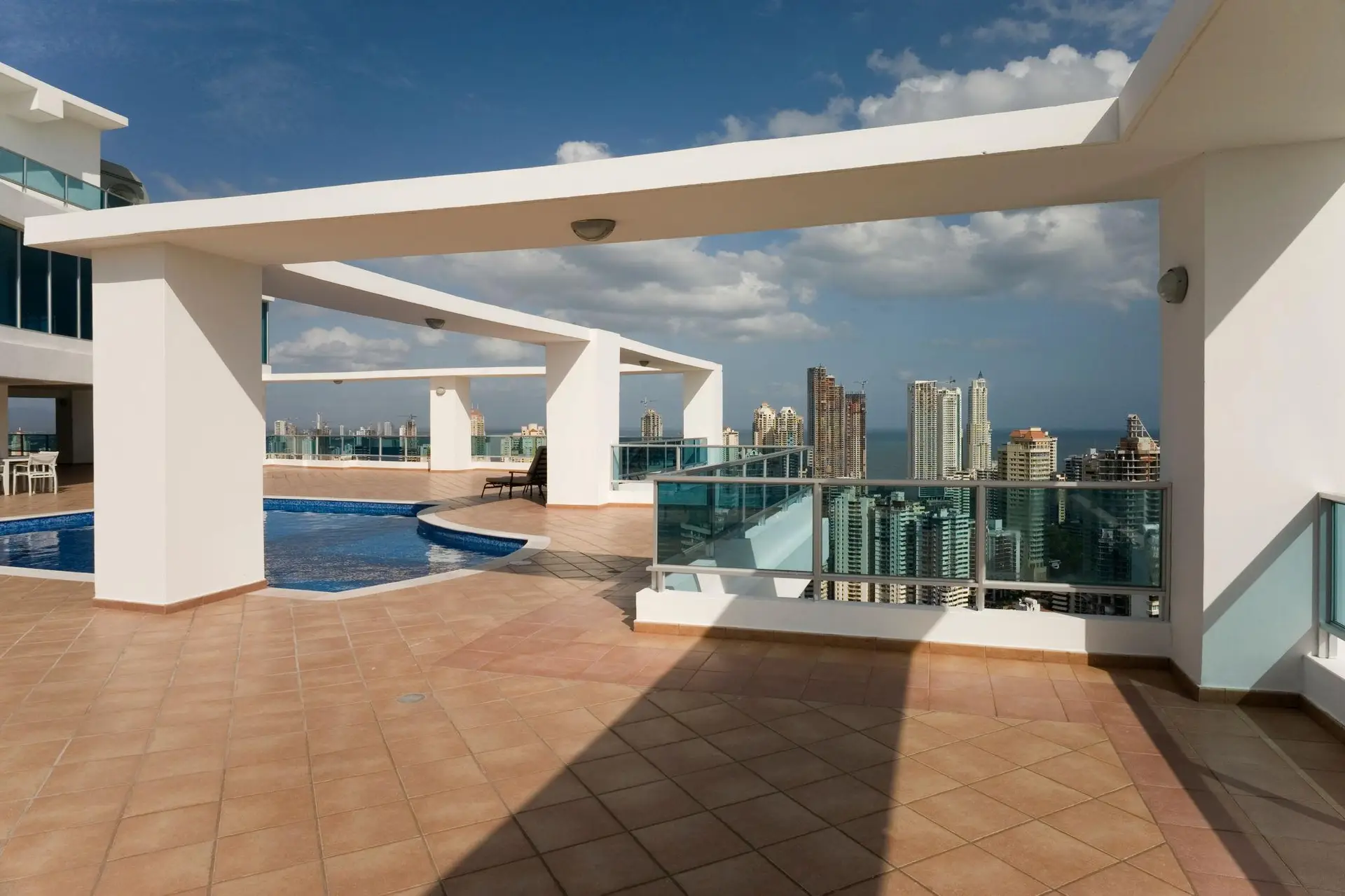
Neighborhoods like Punta Pacifica, San Francisco, El Cangrejo, and Marbella are popular with expats and remote workers. These areas offer high-rise apartments, cafés, coworking spaces, and easy access to shopping malls, restaurants, and the waterfront.
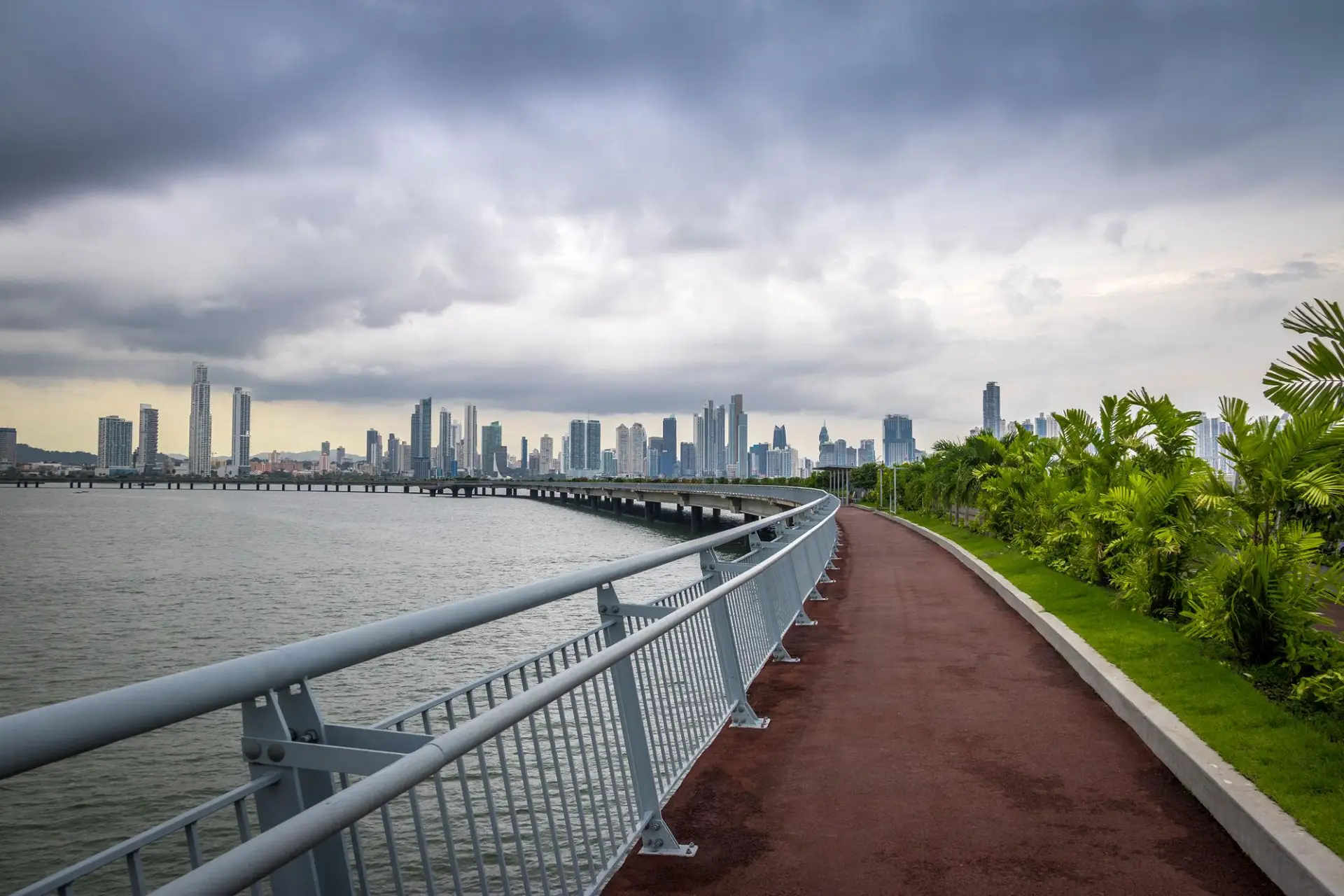
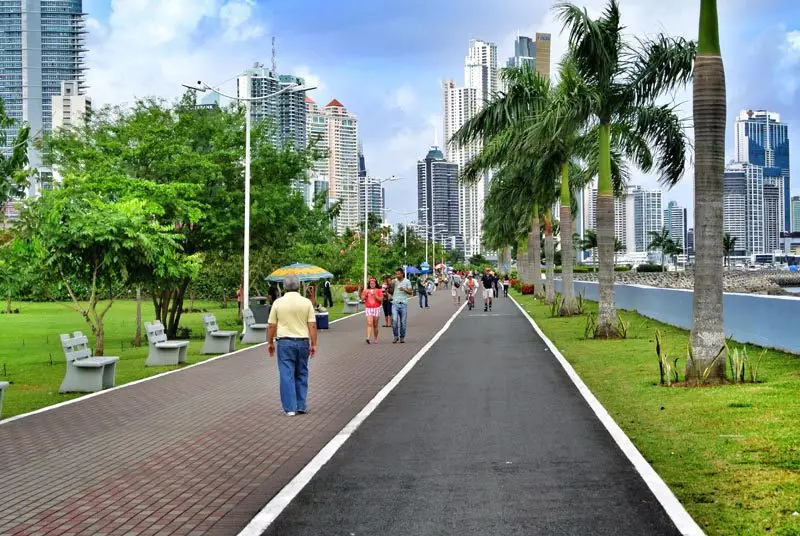
One of the most popular outdoor spaces is the Cinta Costera, a long waterfront park running along the Pacific. Locals come here to jog, cycle, or walk along the skyline with ocean views. It is one of the few places in the city where you regularly see people outside enjoying the urban environment.
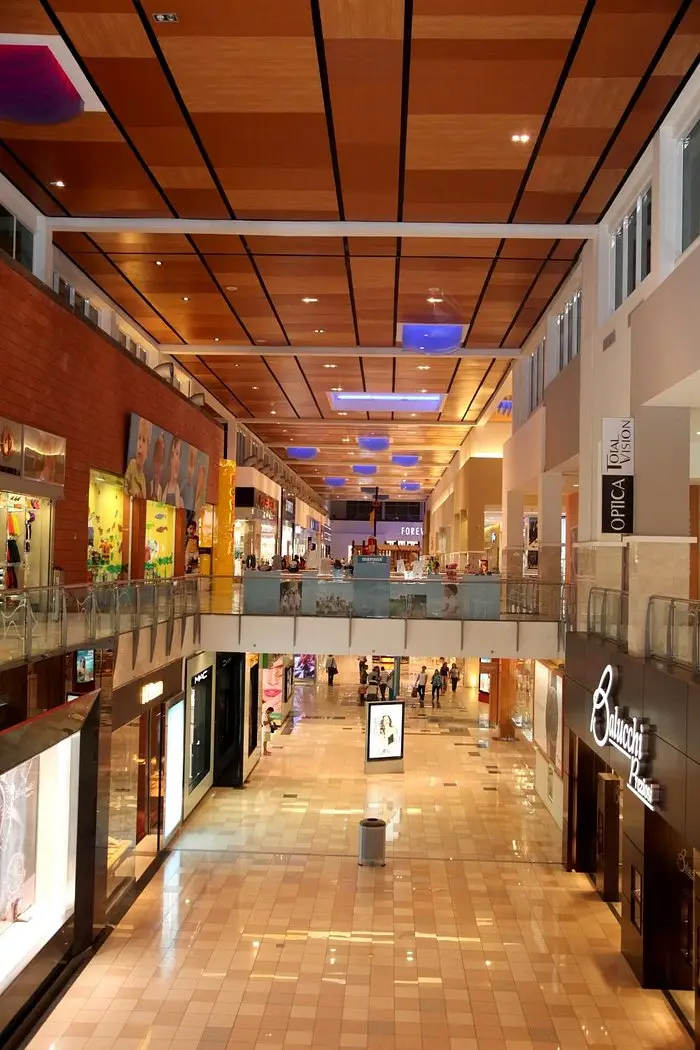
The city also has some of the largest shopping malls in Central America. Multiplaza and Albrook Mall offer a huge range of international brands, restaurants, and entertainment, which makes daily life very convenient.
However, one thing many newcomers notice is that parts of Panama City can feel surprisingly quiet after dark. The central business districts and major shopping areas tend to empty out in the evening once offices close. Outside of a few pockets, the city can feel calmer than you might expect for a capital of this size.
Overall, Panama City offers a comfortable and modern lifestyle, but the social scene tends to be concentrated in specific parts of the city rather than spread everywhere.
Entertainment & Nightlife
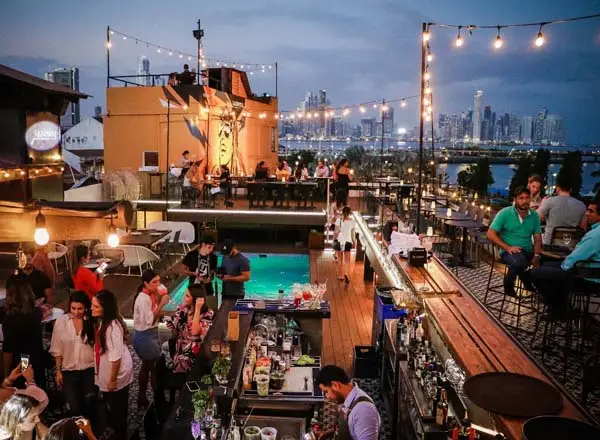
Panama City has a lively nightlife scene with a mix of rooftop lounges, nightclubs, and Latin music venues.
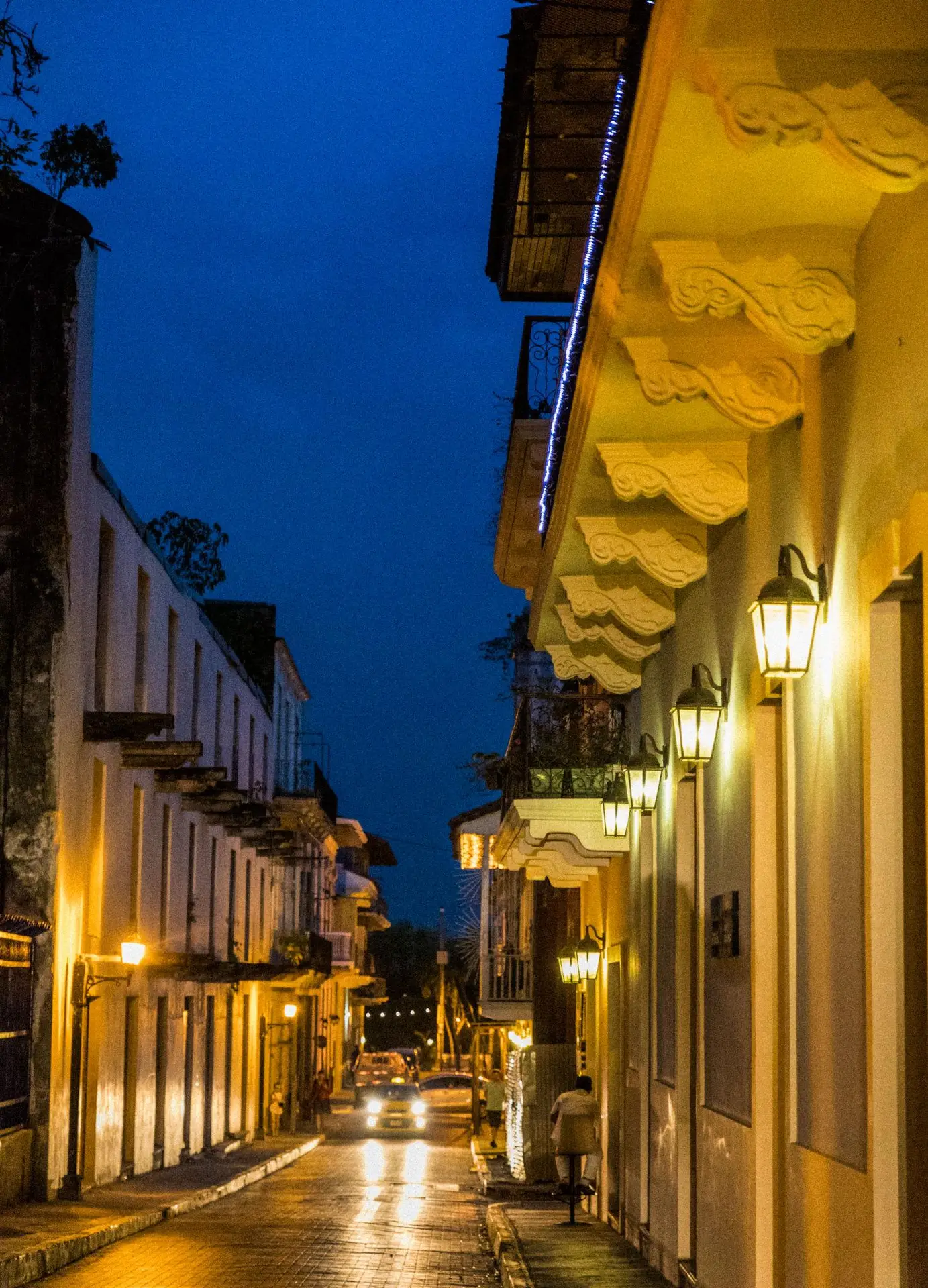
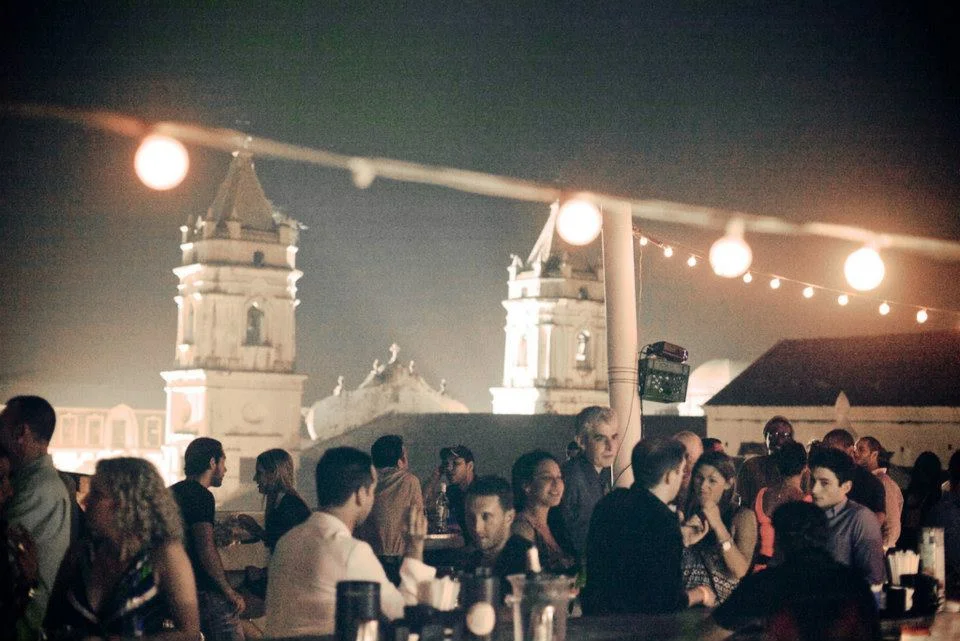
Most of the nightlife and evening activity concentrates in Casco Viejo, the historic district. The colonial streets are packed with rooftop bars, cocktail lounges, and clubs that stay busy late into the night. Beyond that area, there is generally not a huge amount happening at night, and many neighborhoods become relatively quiet after sunset.
Rooftop venues are especially popular, offering views over the skyline and Panama Bay.
Latin music dominates most clubs, but you can also find electronic music venues and more upscale cocktail bars depending on the neighborhood.
Overall, the nightlife feels more upscale and polished than many other cities in the region.
Nomad Community
Panama City has a growing digital nomad and expat community.
The city’s role as a financial and logistics hub means there are many international residents, entrepreneurs, and remote professionals living here.
Coworking spaces have become more common in recent years, and many cafés are comfortable places to work for a few hours.
Networking events, startup meetups, and expat gatherings happen regularly, making it relatively easy to meet people.
The community tends to lean more toward entrepreneurs and professionals rather than backpackers.
Beaches & Day Trips
While Panama City itself is not known for its beaches, there are excellent destinations nearby.
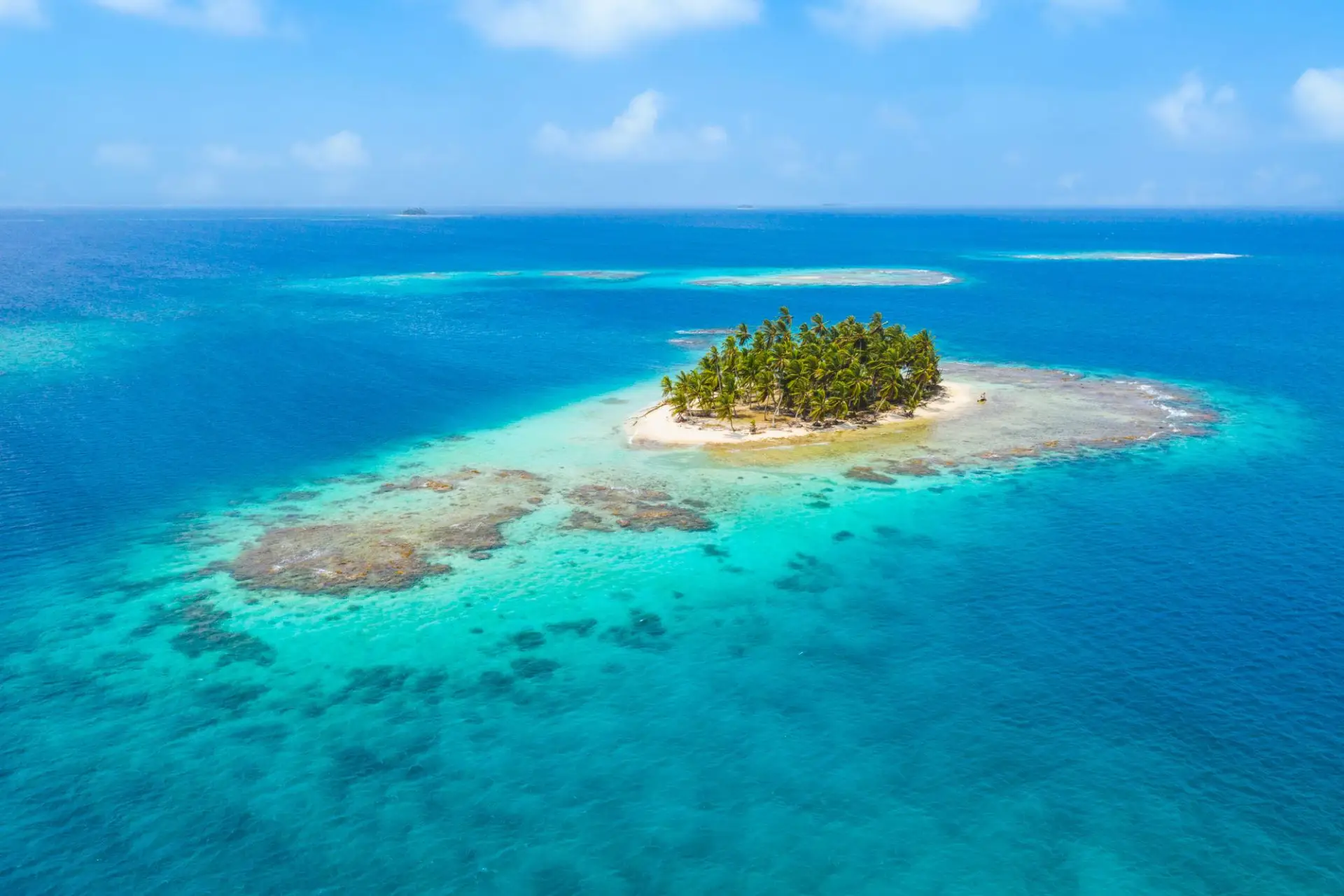
One of the most famous is the San Blas Islands, an archipelago of over 300 small islands with turquoise water and white sand beaches. These islands are often considered some of the most beautiful in the Caribbean.
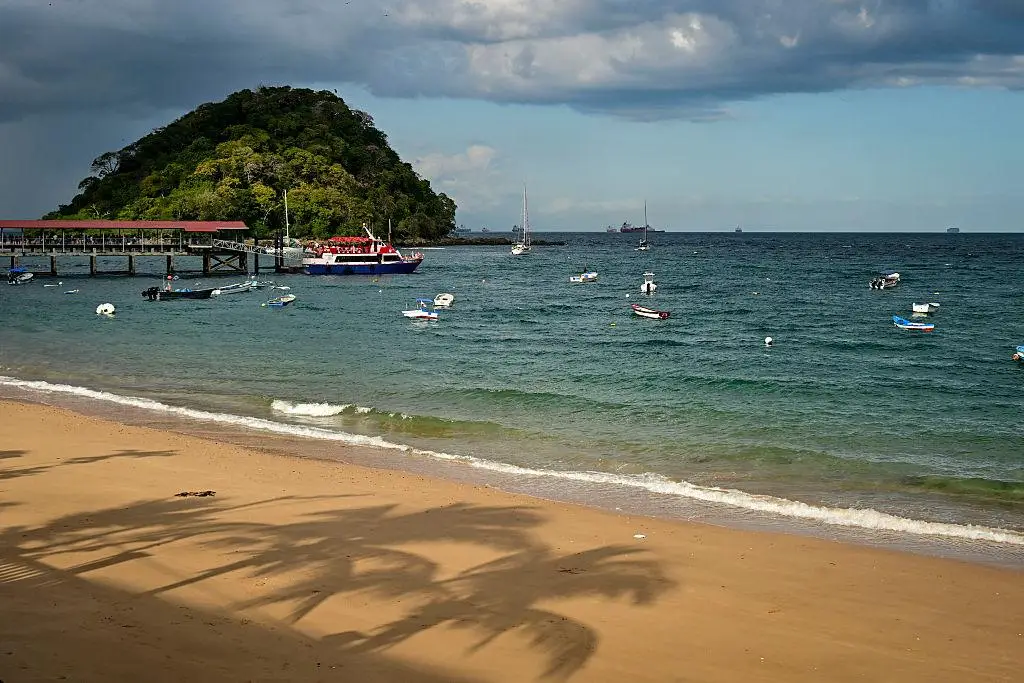
Taboga Island, sometimes called the Island of Flowers, is another easy day trip located about 30 minutes by ferry from the city.
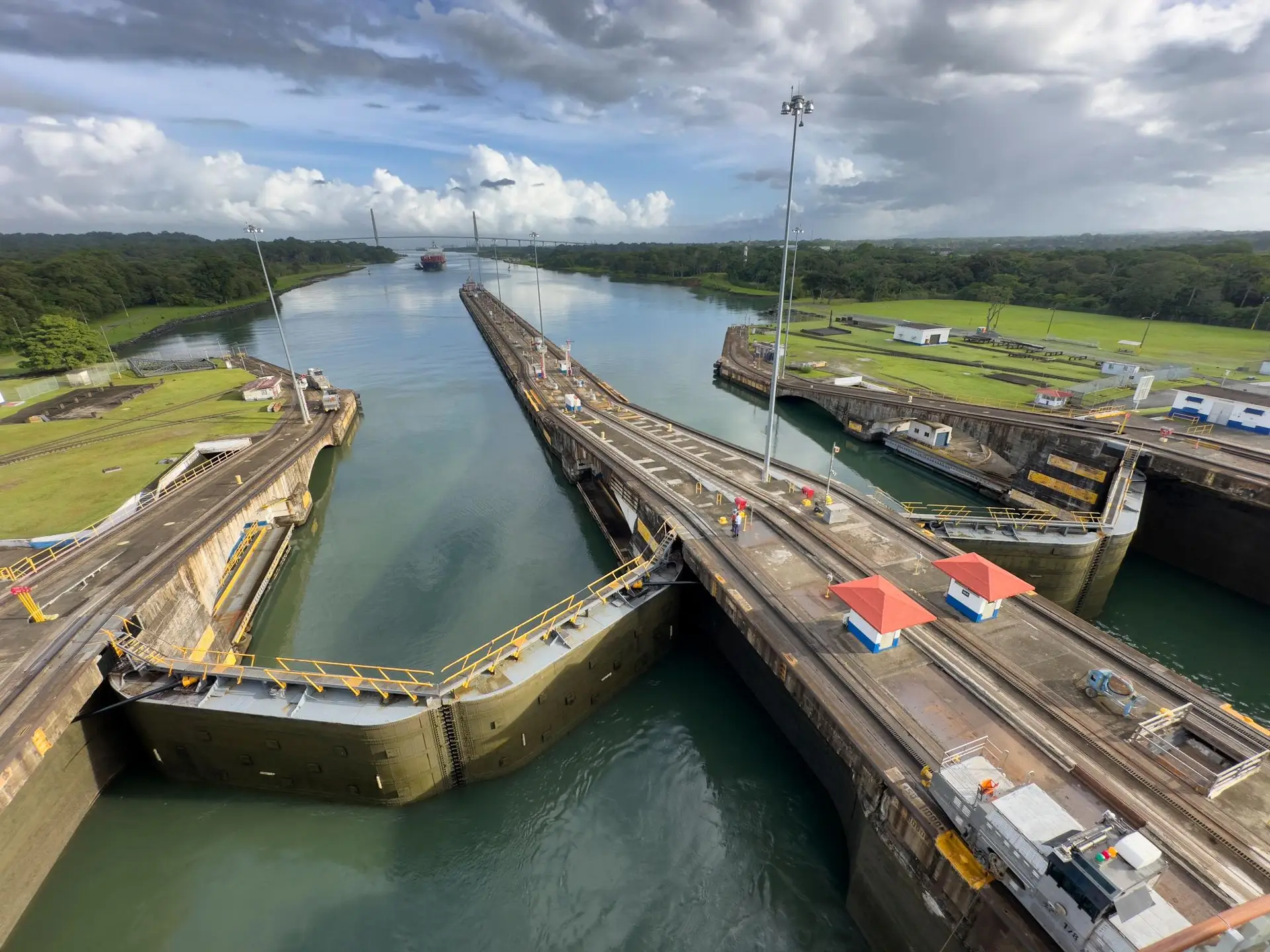
For something completely different, visitors can explore the Panama Canal, one of the most important engineering projects in modern history. Watching cargo ships pass through the locks is surprisingly fascinating.
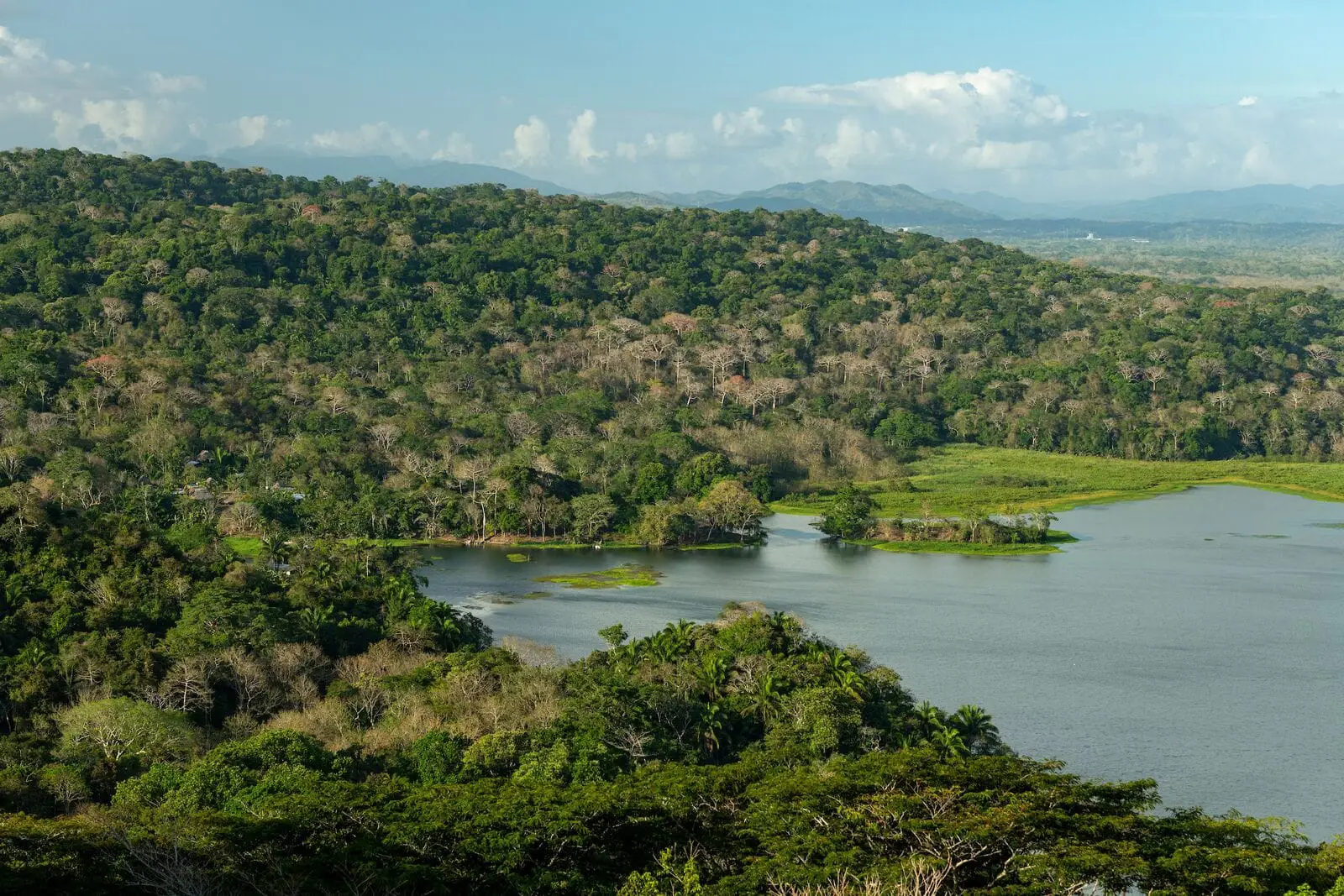
Nature lovers can also visit Soberanía National Park, where dense rainforest and wildlife are located less than an hour from the city.
Sights to see
Panama City offers an interesting contrast between historic districts, modern skyscrapers, and pockets of rainforest surprisingly close to the city center.
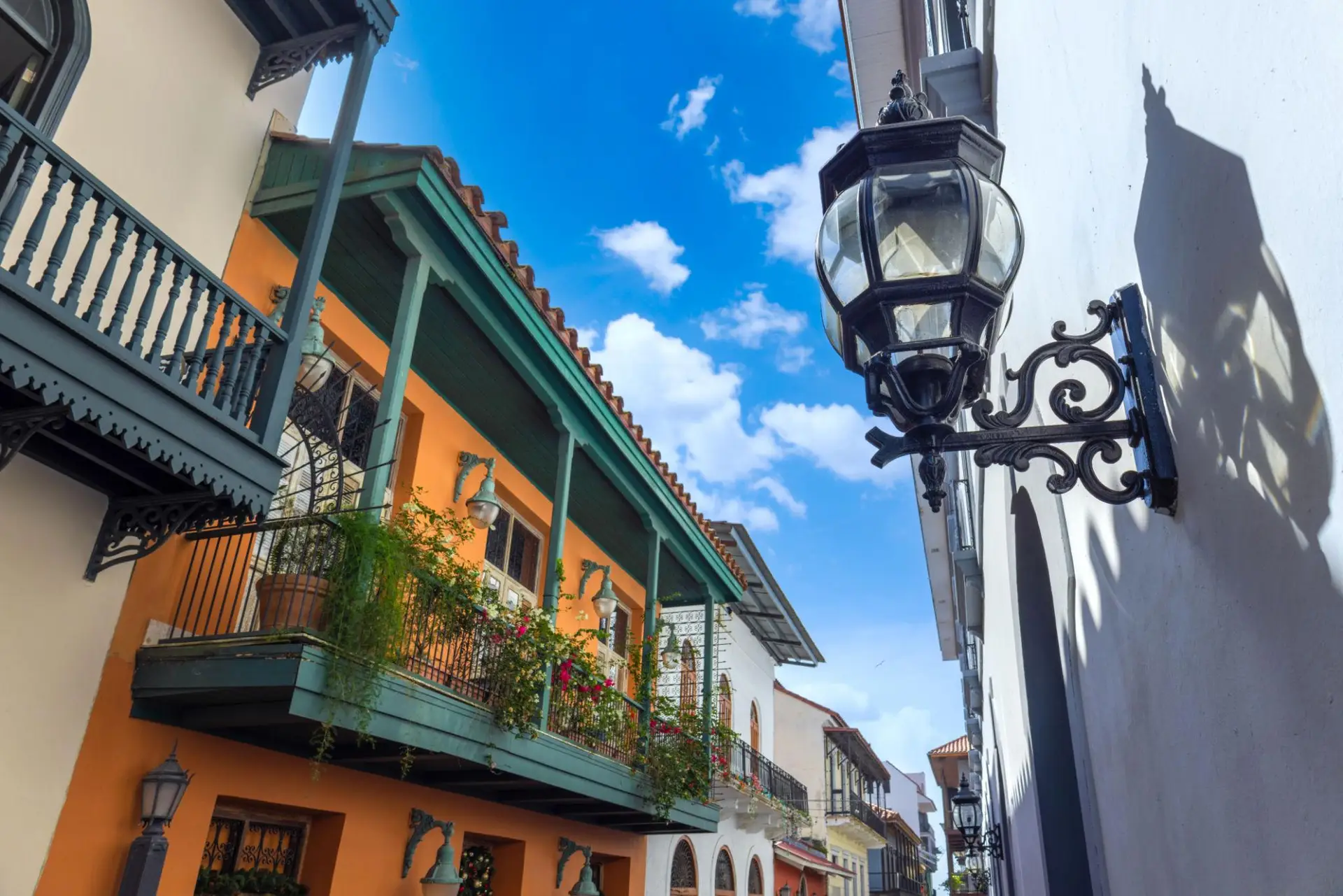
The most iconic area is Casco Viejo, the historic quarter founded in the 1600s after the original city was destroyed by pirates. Today it is one of the most atmospheric parts of Panama City, filled with restored colonial buildings, churches, plazas, boutique hotels, and rooftop bars. Walking through the narrow streets, you will see a mix of crumbling old structures and beautifully renovated buildings that give the neighborhood a lot of character.
Another defining feature of the city is its modern skyline. Areas like Punta Pacifica and Costa del Este are filled with glass towers that house luxury apartments, banks, and multinational companies. The skyline along Panama Bay is one of the most recognizable in Latin America and gives the city a distinctly modern feel.
The Cinta Costera is another highlight. This long waterfront promenade stretches along the coast and provides one of the best views of the skyline. It is a popular place for walking, running, cycling, and watching the sunset over the Pacific.
For something completely different, Metropolitan Natural Park sits just minutes from downtown and offers hiking trails through tropical forest. From the top of the park’s hills, you get a unique view where dense jungle meets the city skyline, a reminder of how close Panama’s natural environment still is to the capital.
Transport
Transportation in Panama City is relatively good compared to many Latin American cities.
The Panama Metro is modern, clean, and affordable. It connects many key areas of the city and is expanding with additional lines.
Taxis and ride-hailing apps like Uber are widely available and relatively inexpensive.
Panama City is also served by Tocumen International Airport, the largest and most important airport in Central America. The airport functions as a major regional hub, with flights connecting to North America, Europe, and across Latin America.
This makes Panama City extremely well connected for travelers moving between continents.
Safety
Panama City is generally considered one of the safer capitals in Latin America, especially in the central neighborhoods where most expats and digital nomads live.
Areas like Punta Pacifica, Marbella, San Francisco, and Costa del Este are modern, well-developed, and tend to feel quite safe during the day and evening. These neighborhoods are where most international residents base themselves, thanks to the high-rise apartments, shopping centers, and proximity to business districts.
However, like most major cities in the region, safety can vary significantly depending on the area.
Parts of Casco Viejo, while beautiful and lively during the evening, can feel a bit dodgy once you move away from the main streets and nightlife areas. It is generally best to stick to the well-lit sections of the district at night.
Outside the central and wealthier areas of the city, some neighborhoods can become considerably rougher. In those areas, the safety situation is more comparable to what you might expect in cities like Lima or Medellín, where caution and basic street awareness are important.
For most nomads and visitors who stay within the central parts of the city, serious issues are uncommon. As always, simple precautions—avoiding poorly lit streets at night, not flashing valuables, and using ride apps or taxis late at night—go a long way in avoiding problems.
Final Thoughts
Panama City offers a different kind of digital nomad experience.
Instead of a laid-back beach town or a chaotic megacity, it provides a modern, international environment with strong infrastructure and a stable economy.
It may not have the cheapest cost of living in Latin America, but it offers convenience, connectivity, and comfort that many travelers appreciate.
For nomads looking for a well-developed city with global connections, Panama City is one of the strongest options in Central America.