Thailand is one of the most popular destinations in the world for travelers and digital nomads, but figuring out the visa situation can feel confusing at first.
The country offers a wide range of visa options depending on how long you want to stay and what you plan to do while you are there. Some people arrive for a short holiday and stay for a few weeks. Others build routines that keep them coming back for years.
Thailand has slowly adapted to this reality by offering several different visa pathways, each with its own rules, restrictions, and limitations.
Below is a practical breakdown of the most common visa options available to foreigners spending time in Thailand.
Visa Exemption (Tourist Entry)
For many travelers, the simplest way to enter Thailand is through the visa exemption program.
Citizens of many countries, including the United States, Canada, most of Europe, and several others, can enter Thailand without applying for a visa in advance.
Typical rules include:
30 to 60 days entry depending on nationality
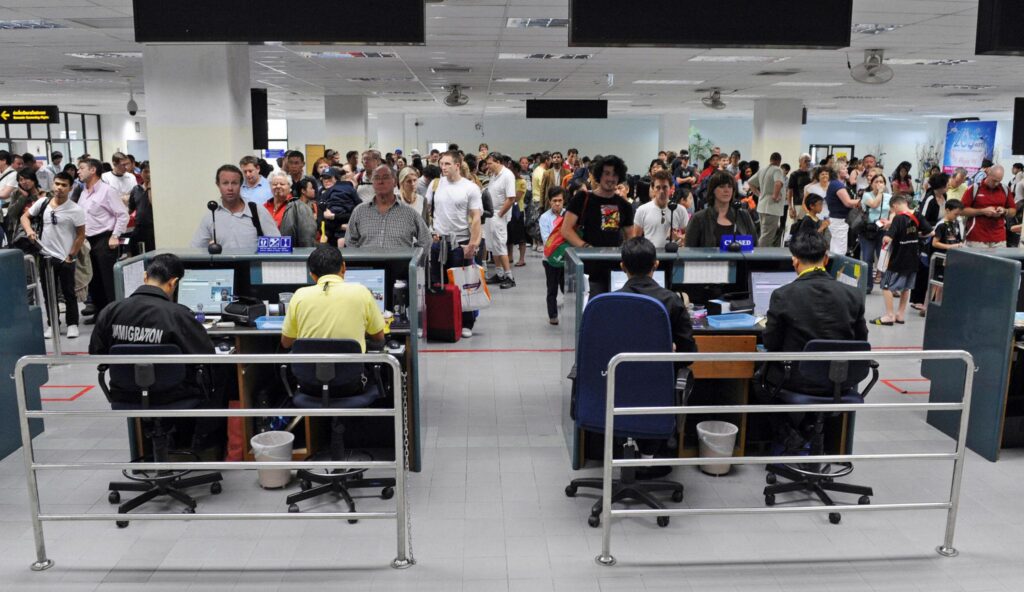
Entry granted upon arrival at the airport
One extension possible at immigration offices
A standard extension allows you to add 30 additional days, bringing your total stay close to 60 to 90 days depending on the entry rules at the time.
This option works well for short visits but becomes less practical for people trying to stay long-term. Immigration officers may begin questioning travelers who repeatedly enter the country using visa exemptions.
Restrictions:
You cannot legally work
Multiple consecutive entries may raise questions
Extensions must be done in person at immigration offices
Education Visa (ED Visa)
The Education Visa, commonly called the ED visa, has historically been one of the most popular options for long-term stays.
Foreigners enroll in approved programs such as:
Thai language courses
Muay Thai training
Cooking schools
Academic programs
Once enrolled, students receive a visa that allows them to remain in Thailand for extended periods while attending classes.
Typical structure:
Initial visa issued for 90 days
Extensions granted periodically
Some programs allow stays of up to one year
In recent years, immigration has begun monitoring these visas more closely to ensure people are actually attending classes.
Restrictions:
Must attend the program regularly
Cannot legally work
Schools must be government approved
Digital Nomad Visa (DTV)
Thailand recently introduced the Destination Thailand Visa (DTV), which is the closest thing the country currently has to a digital nomad visa.
The visa is designed for remote workers, freelancers, and people participating in certain long-stay programs such as cultural activities, Thai language courses, or wellness retreats.
Typical structure:
Valid for 5 years
Each stay allows up to 180 days
Can extend once for another 180 days
In theory, this allows digital nomads to remain in Thailand for extended periods without needing frequent visa runs.
However, applicants must demonstrate financial stability (THB500,000 or about $15,000 in a bank account for 3 months) and meet all other eligibility requirements.
Restrictions:
Remote work must be for companies outside Thailand
Cannot take local employment
Application requirements vary depending on embassy
The DTV visa is still relatively new, but it represents a clear attempt by Thailand to attract long-term remote workers.
Marriage Visa
Foreigners who marry a Thai citizen can apply for a Thai Marriage Visa, officially known as a Non-Immigrant O Visa based on marriage.
This visa allows long-term residence in Thailand as the spouse of a Thai national.
Typical requirements include:
Legal marriage to a Thai citizen
Proof of financial stability
Bank deposit of roughly 400,000 THB or proof of monthly income
The visa is usually issued for one year at a time and must be renewed annually.
Unlike tourist visas, marriage visas can allow foreigners to apply for a work permit, making it one of the more flexible long-term visa options.
Restrictions:
Must maintain financial requirements
Requires regular immigration reporting
Annual renewal process
Long-Term Resident & Elite Visas
Thailand also offers premium long-term visa options for foreigners willing to pay for stability.
One of the most well-known is the Thailand Elite Visa, which allows long-term residency through a paid membership program.
Typical features include:
5 to 20 year visas
VIP immigration services
Airport fast-track services
No frequent visa renewals
The downside is cost. Elite visa packages can range from $15,000 to $50,000+ depending on the length of stay.
Thailand has also introduced Long-Term Resident (LTR) visas aimed at wealthy individuals, investors, and high-income remote workers. These visas come with additional requirements such as minimum income levels or investment commitments.
Restrictions vary depending on the specific program.
Retirement Visa
Thailand’s Retirement Visa is designed for foreigners aged 50 or older who want to live in the country long-term.
Applicants must meet financial requirements, usually involving either a bank deposit in Thailand or proof of monthly income.
Typical requirements include:
Age 50+
Bank deposit of around 800,000 THB
Or monthly income requirement
Retirement visas allow long-term residence but do not allow employment.
For many retirees, Thailand offers an attractive combination of healthcare, affordability, and quality of life.
Final Thoughts
Thailand’s visa system can seem complicated at first, but most travelers eventually find a path that works for their lifestyle.
Short visits are easy through visa exemptions. Longer stays often involve tourist visas, education visas, marriage visas, or programs like the DTV.
For those seeking long-term stability, options like retirement visas or the Elite program offer more permanent solutions.
Thailand remains one of the most welcoming and livable destinations in the world, and for many travelers, figuring out the visa system is simply the first step toward spending more time there.